
Adventure Blog
Discover tips, experiences and guides for your next adventures
Categories
- Andinismo
- Barranquismo
- Blob Jump
- Buceo
- Canopy
- Canotaje
- Ciclismo
- Consejos
- Deportes de aventura
- Destinos de Aventura
- Entrevistas
- Escalada
- Esqui
- Festivales
- Flyboard
- Infografías
- insight de aventura
- Kite Surfing
- Leyendas de aventura
- Longboard
- Noticias de Aventura
- Otros deportes
- Parapente
- Puenting
- Sandboard
- Slackline
- Surf
- Todo Terreno
- Trail Running
- Trekking
- Ultramaratón
- vaa
- Video de Aventura
- Wakeboarding
- WakeSkate
- Windsurf
How to choose a good cycling helmet
How many people would be willing to travel in a car at full speed without wearing a seatbelt? Surely very few. So, why ride your bike without a helmet? Helmets should always be worn, in any situation, whether it's on the weekend, on your mountain bike, or on your way to the office. Remember that cyclists are exposed to many risks on our journeys, both inside and outside the city, so it's best to have and use a good helmet. Photo: Activeazur Here are some tips for choosing the best model adapted to your needs. What type? Bicycle helmets come in 3 basic styles: multi-use, road, and mountain. All styles are designed to protect the heads of their users, being lightweight and comfortable. The differences are: Multi-use Helmets ($35 - $60): An economical option for recreational and urban use, and as an introductory helmet for road or mountain cycling. Photo: Mercado libre Road Helmets ($60 - $250): Preferred by more serious cyclists for their lightweight, generous ventilation, and aerodynamic design. They also excel at ventilating well at low speeds; they are distinguished by their visors, enhanced rear coverage for the head. Photo: Mercado libre Mountain Helmets ($60 - $250): Designed to protect you from any strong impact, due to the high speed of some circuits or routes, these helmets allow you to cover your entire skull, as well as a large part of the face and neck. Photo: Mercado libre Finding the right size Finding the precise size is vital. Multi-use helmets generally offer a single size and fit. While other ranges commonly come in various sizes: small, medium, large, or extra large. To find your size, wrap a tape measure around the largest part of your head, about 2.5 cm above the eyebrows. Or, wrap any tape around your head, and then measure the length of the tape with a ruler. Some general size parameters for adults: Small: 51 cm-55 cm Medium: 55 cm-59 cm Large: 59 cm-63 cm Extra Small or Extra Large: Below 51 cm or above 63 cm Standard Size (Men): 54 cm-61 cm Standard Size (Women): 50 cm-57 cm Most children's helmets are one size fits all, with a range of 46 cm-57 cm. Some adults with smaller heads can wear these comfortably. Photo: Veoverde Is your head between two different sizes? In general, it's best to opt for the smaller size. Because a loose or poorly fitted helmet does not provide true protection. Impact Certification By law, all helmets sold in the U.S. must meet the standards set by the Consumer Product Safety Commission (CPSC). Some helmets are also endorsed by the nonprofit Snell Foundation, but the CPSC approval seal is what matters. The results have helped manufacturers create helmets that are lightweight, comfortable, and capable of withstanding significant impacts. Photo: Correo Every cyclist knows the risks they face daily; be cautious and use a good helmet.
Adam Malysz: The Polish Eagle
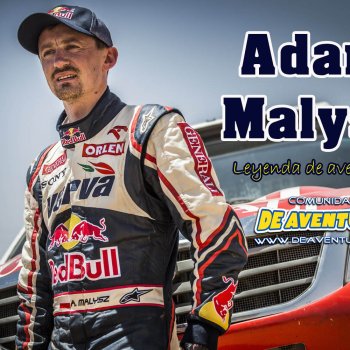
There are stories of athletes who, from the first moment they try a sport, end up mastering it. Generally, we hear stories of children who were born with an innate and preferred talent for a sport; This, however, is not the case of Adam Malysz, who grew up as a skier and after many years switched to motor sports. Learn his story here. Photo: Podhalesport Adam started his skiing career when he was six years old. In 1994, for the first time in his life, he jumped in the World Cup competition. Also that year, in Innsbruck, he earned his first points in the overall standings of this tournament. Photo: Usa.pe.pl Throughout his career, he was a four-time medalist in the Olympics, four-time gold medalist in the Ski Jumping World Championships. He has won the World Cup four times, being the first jumper to do it three times in a row. All of this earned him the nickname "Polish Eagle." Photo: Tvn24 In 2011, he announced his retirement from the world of skiing but not from sports in general. After standing on the podium 92 times and finishing in the top 10 on 198 occasions, he moved to Off Road 4X4 and has not stopped since, stepping on the accelerator and crossing rugged terrains. Photo: RedBull He obtained his rally driver's license in 2011 and decided that 2012 would be his first year in the legendary Dakar rally, behind the wheel of a Mitsubishi Montero. With Rafal Micha by his side and despite several setbacks in the final stages, he crossed the finish line in 38th place. Photo: RedBull Adam returned to the scene in the Dakar 2013 to once again feed his old dream of racing a rally as a driver. Not only did he finish, but he did so in 15th place, not bad for a second attempt! In 2014, his third participation in the Dakar, he achieved a couple of positions higher in the overall standings (13th place) and secured a fifth place in one of the stages. Photo: Polskieradio Everything was set to fight for the podium in 2015, but his car caught fire just 20 miles from the finish line of the second stage. Unharmed, he and his co-driver were forced to abandon the rally. It was a tough blow for the Polish driver, but knowing him, he will not stop until he climbs in the Dakar standings. Unleash your adventurous spirit and show the world what you are made of.
Adventure Destination: Cusco
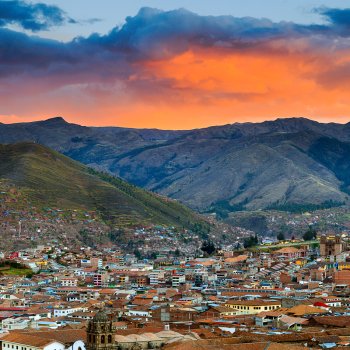
For those who enjoy adventure and adrenaline, Cusco is an ideal destination, located in the Andes mountain range, Cusco is one of the favorite destinations for lovers of mountaineering, mountain climbing, and other adventure sports; among peaks that exceed 6,000 meters above sea level, canyons, valleys, and villages offer unforgettable experiences. But Cusco not only offers wonderful landscapes, but also the possibility of visiting amazing architectural complexes and delving into the Inca culture and the history of Peru during the Inca period. Among the sports you can practice are: Mountain Biking Rock Climbing Rafting Canopy Bungee Jumping Paragliding MOUNTAIN BIKING As we mentioned earlier, the Cusco landscape offers many routes and paths, such as the Moray terraces or ancient Inca and pre-Inca roads, archaeological sites, villages, and countless landscapes. Mountain biking excursions are carried out through natural landscapes and combined with visits to archaeological sites and typical regional activities. In Cusco, you can live one of the best experiences to discover yourself. The adrenaline you release in each descent will truly make you feel alive. Challenges and obstacles are the best for a bike ride, especially because in Cusco we can discover new routes thanks to its immense geography. ROCK CLIMBING In the imperial city, we are fortunate to have the second highest mountain range in the world, after the Himalayas. The Peruvian Andes offer mountains with different levels of technical difficulty and the opportunity for anyone to tackle the established routes. Mountaineering finds in the Peruvian Andes an unbeatable setting, a unique concentration of mountains, a temperate climate for much of the year, and relatively easy access. South of Cusco is the Vilcanota knot, which reaches its highest point in Apu Ausangate (6,384 meters above sea level). CANOPY The Sacred Valley Zip Line or canopy gives people of all ages the opportunity to fly between the hills. In a safe and fun way, the zip-line has 6 lines ranging from 150 m to 500 m, for a total of 2,000 meters. No braking system is needed. The person slows down as they approach the end of the cable, all very safely. RAFTING If you visit Cusco in search of adventures, you cannot miss rafting, especially if the Urubamba River is nearby, which offers many alternatives for all types of audiences. Visiting the Sacred Valley and practicing rafting takes us on a mystical journey with a lot of ancient culture; this part of the river has 3 perfect sections to do one per day. The best thing about rafting in Cusco is that the routes are very varied, and not only can you practice rafting, but also kayaking for those who prefer these smaller and lighter watercraft. BUNGEE JUMPING This Bungee Jumping is considered the highest in South America and is located in the Action Valley adventure park, at 3,600 meters above sea level. The jump is made from a booth elevated to 122 meters high. A special elastic rope is used, which is attached to the ankles with harnesses. Additionally, the user wears a harness on the body, where a safety strap is adjusted. PARAGLIDING Cusco is a perfect place for paragliding. Here, both novice and super experienced pilots can fly; near Cusco, flights can be made in the morning hours from the Racchi Viewpoint, located in the Urubamba Valley. During the early hours of the day, thermal activity allows for very pleasant extended flights. The surroundings of the imperial city present an incredible thermal zone, with very good soaring possibilities, cloud bases usually between 5500 and 6000 meters, and thermals of all types but always very fast and powerful. Machu Picchu is also a flying area but only for pilots with great experience who want to face challenges, a flight over the Citadel is equivalent to the whole trip. You now know this adventure destination, share your adventures and show us how adventurous you are.
June 1 News Summary
Sunday will see the Huacho Rally: "We have two sections: one of 8 kilometers and another of 19 kilometers, on dirt track that will be repeated 3 times. This will allow drivers who suffer damage to their vehicles to go through assistance to repair them and continue in the race," said Juan Dibós, race director for the event in Huacho. The race director also noted that "so far, 29 racers have registered. "We have not accepted incomplete registrations or those with documentation errors. On Friday, we will know how many will actually race." ISA World Surfing Games kick off in Nicaragua: The ISA World Surfing Games kicked off in Nicaragua. The Peruvian team set out with the mission to repeat the title won at home, and the debut has been promising. In the first round, Sebastián Correa shone at Popoyo Beach, finishing first in his heat and advancing to the next round. Another competitor who finished first in his heat was Joaquín del Castillo, who also moved on to the next round. In the afternoon, Miguel Tudela also showed that Peru is a contender in this tournament. Monday's session closed with Julinho Ursia from Huanchaco qualifying, confirming the strength of the national surfing team. New national record in Rowing Renzo León is a Peruvian rower who has broken the national lightweight record and is preparing to compete in the Pan American Games in Toronto. "I used to compete in singles. I compete in a category that is lightweight. In my category, I didn't have many competitors. I trained alone for a long time and did very well. I was South American champion, came fourth in a World Championship, but then I switched to doubles," mentioned León. Regarding his switch to doubles now, Renzo León mentioned that he has gotten used to always playing with someone and that he likes the boat's response in doubles. Peruvian Rider on the way to the South American Championship in Argentina Víctor Chávez is currently in the midst of preparing to participate in the snowboarding South American Championship in Argentina. "Among the most important competitions we have is the continental one," mentioned Chávez, who added that there is also the South American competition. He competes in Snowboard Cross, a mix of jumps, turns, and sliding techniques. Additionally, there's more adrenaline because you reach speeds of 90 to 100 km/h competing against 4 other riders. "Our goal is to reach the top 150 in the world," added Víctor Chávez, who also pointed out that they aim to break into the World Cup circuit, which is the highest level on the planet. Stay informed about national sports events, every Friday on De Aventura
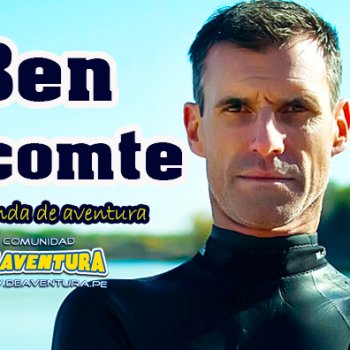
Ben Lecomte: Legend of the Open Sea.
Swimming is a sport that many do not consider a very adventurous activity, much less complex. But what would you think of swimming for 5 months in open sea from Tokyo, Japan to San Francisco, United States, surely you will think it's crazy, but for the French adventurer Ben Lecomte this feat is not something new. Learn about the story of this Adventure swimmer below... Photo: theplaidzebra In 1988, Ben became the first man to swim across the Atlantic Ocean without any type of floatation assistance. At that time, the route he followed started at Cape Cod peninsula (USA) and ended at Quiberon beach in Great Britain. On that occasion, Lecomte covered approximately 5,400 kilometers in 72 days. Photo: Outsideonline 17 years after that tremendous feat, Ben is ready to take it to the next level. This time, the route will be different, as he will cross the Pacific Ocean; from Tokyo (Japan) to San Francisco (USA) for almost 5 months covering approximately 8,000 kilometers. "I will be accompanied by a boat at all times, as I will swim 8 hours a day, and on the boat I can eat and sleep," detailed Lecomte. Additionally, they will be guided by a team on land to provide guidance on suitable currents and weather conditions. His training routine is very demanding and exhausting. Ben trains three to five hours a day, six days a week. Despite being rigorous with his training, Lecomte emphasizes that at his age, what strengthens him the most are not his muscles but his mental control. The endurance and speed that characterized him in his youth, now at 44 years old, are replaced by his mental and psychological strength that allows him to remain patient and focused. Photo: Dallasnews This whole event means a lot to Ben, who has been swimming in rivers, lakes, and seas since he was a child, and who lost his father to cancer. That's why he embarked on his first mission; to raise funds for the fight against cancer in memory of his father. Photo: Outsideonline What are the reasons for doing it a second time? The first reason is his children, he seeks to motivate them to pursue their passions. Second, to raise awareness among more people about the importance of changing our routines to protect the environment, that's why Ben wants as many people as possible to follow the event and understand the negative impact we are having on our oceans. You can show your support to Ben HERE Photo: Red Bull If you practice any Adventure Sport, share your adventures with our community and help promote these sports in Peru
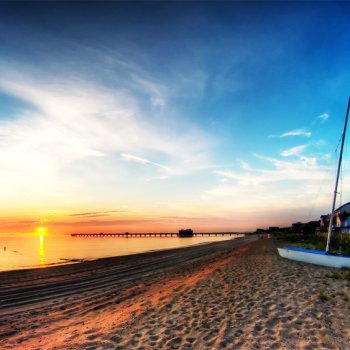
Adventure Destination: Máncora
Máncora is a resort town in northern Peru. It is the capital of the Máncora District in the Province of Talara, Piura Department, near the border with the Tumbes Department. It is located approximately 187 kilometers, 3 hours, from the city of Piura. What sports can we practice here? This beach allows us to practice different sports from Surfing to Rock Climbing. Don't miss the details of this new adventure destination. Surfing Canopy Rock Climbing Kayaking Off-Roading Photo: ViajandoPerú Surfing and Kite Surfing: This is one of the best places to practice surfing and kite surfing due to its great waves, strong winds, and warm climate. There is a large influx of surfers throughout the year, especially on the most renowned beaches surrounding this resort like Lobitos, Cabo Blanco, or Panic Point. Photo: Explora-ijolly Zipline / Canopy: If you want to have unforgettable moments, don't miss experiencing the Canopy circuit ‘’AEROMOTO’’ Zipline. It has 4 lines, totaling 1,600 meters and 2 hours of pure adrenaline, all within the Eco-Fundo ‘’La Caprichosa’’. They have experienced guides who will teach you how to do this sport. Photo: La Caprichosa Rock Climbing: You can also find one of the most radical rock climbing walls in all of northern Peru. With four walls of different difficulty levels, this competition climbing wall allows visitors to exercise, develop their intelligence, and cultivate their adventurous spirit. Photo: La Caprichosa UTV Rental and Tours: The sandy, dry, and hot terrain is perfect for riding sand vehicles like motorcycles, UTVs, ATVs, dune buggies. There are places near Máncora like Quebrada Fernandez where you can use these vehicles and have a day full of adrenaline. Photo: Zonanautica Kayaking: Another sport you can practice in the sea of Máncora is kayaking, it is not a very popular sport in this resort but many hotels have the necessary equipment to practice it with great ease, it's just a matter of daring to try it and get into the sea. However, it is important to note that kayaking in the sea is quite different from doing it in rivers. Photo: Tripadvisor Now that you know more about this adventure destination, all that's left is to visit it and live the experience
May 2 News Summary
Carlos Sainz Jr. arrives in Peru with the Red Bull F1. In 2015, all the excitement and speed of Formula 1 returns to Peru, the Infiniti Red Bull Racing car will travel along the Paseo de los Héroes Navales in the Center of Lima this Sunday, May 31. The powerful Formula 1 car from the four-time World Champion team will roar its engine of several hundred horsepower at over 250 km/h. Today it is announced that Spanish driver Carlos Sainz Jr. will be in charge of accelerating the spectacular Formula 1 single-seater in the historic center of Lima. Since he was a child, Carlos Sainz wanted to pursue a career on the racetracks. In 2008, he started in karts and won the Asia-Pacific KF3 and also finished second in the Spanish Championship. 2014 was a fantastic year, as he was crowned the youngest champion in the history of the World Series by Renault 3.5. But that wasn't all, Carlos Sainz was introduced as a new Formula 1 driver at Scuderia Toro Rosso alongside the Dutchman Max Verstappen. Raúl Orlandini wins the 4th stage of the 4X4 Cross Country World Championship Renowned Peruvian driver Raúl Orlandini achieved first place in the fourth stage of the Cross Country World Championship held in Egypt. In this type of cross country competition, races similar to the Dakar are held for 3 to 5 days. The Peruvian driver is currently in second place in the world rally standings despite not having participated in the first two stages. Orlandini lost approximately 30 minutes due to a mechanical failure, putting his mental strength to the test. His team scored well in the third and fourth stages, and now the European part is coming, which changes and complicates a little more each year. Peruvian Team prepares for ISA World Championship in Nicaragua The Peruvian surf delegation, made up of the best national surfers such as Sebastián Correa, Joaquín del Castillo, Miguel Tudelas, among others, is preparing to travel to Nicaragua to compete in the ISA World Championship, which was won by the Peruvian team last year at Punta Rocas. In the Central American beaches, they may encounter various sea conditions, such as waves up to 2 meters high or dangerous reefs; They are preparing with the aim of defending the title from last year, which will not be easy. Stay up to date with adventure sports news in Peru every Friday with our news summary
Trekking with Poles.
Getting started in Trekking is not easy. Like any sport, it has its techniques and styles, among these are hiking, trekking, or nordic walking. In this post, you will learn how to walk with hiking poles to help you go further. Don't miss the details and techniques of this Adventure Sport and learn to unleash your true potential. Photo: TrekLife Sometimes we think a lot about foot blisters, back pain, fatigue, and bruises on the knees, but they are normal. In many cases, it's not the weight, the footwear, or even the backpack's fault but the technique we use on our journey. Trekking with poles allows you to go further, walk twice the distance, and with half the effort. In addition to helping you on hikes, it improves your stability and support technique with each step. Photo: Trekking & Rappel The first thing What poles should I buy? The most important thing at this point is 2 things: That they work and that they are comfortable. We say this because you will find poles made of titanium, aluminum, or other materials that will have special qualities but higher costs. So, once you know they work, look for the ones that best fit you according to your size and limb length. Photo: Montanapegaso The ideal position for trekking with poles is to keep your back straight, the poles resting on the ground, and the forearms perpendicular to the ground. When starting to walk, it is advisable to do it with the heel of the foot and accompany it with the alternate movement of the arm opposite to the foot we use. Photo: Badz-zdrow There is also the variation of accompanying each step by supporting both poles on the ground. Even the most experienced ones take each step with more momentum, achieving jumps supported by the poles. During the hike, the arms should be stretched, very similar to walking in a march, here you will exercise your arms, chest, legs, and physical endurance. If you carry a backpack, it is best to look for one that is not too close to your back as this will make you sweat and prevent you from staying cool. Photo: NordicWalking Another tip is that cotton clothing is not recommended for this sport, as it accumulates body moisture when sweating; it is always ideal to use synthetic and lightweight materials. UNLEASH THAT WALKER INSIDE YOU AND PUT THESE TECHNIQUES INTO PRACTICE. See also: One of the 10 best trekking routes in the world is in Peru 4 tips to clean your mountain boots The 11 best adventure mountains in Peru How to combat altitude sickness What should I carry in my adventurer's backpack?
Inca Avalanche 2015
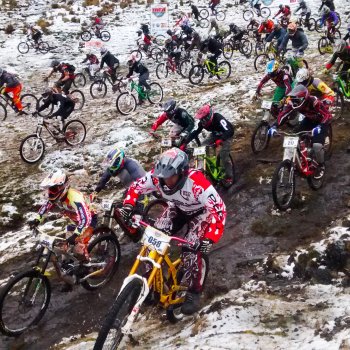
Last weekend we left Lima loaded with excitement to experience a super Mountain Biking adventure. This competition was none other than the Inca Avalanche 2015, which took place in the imperial city of Ollantaytambo. We traveled about 1 hour and a half from Cusco to Ollantaytambo; There we spent the whole weekend surrounded by adrenaline, excitement, and cyclists from all over the world. This is the 15th edition of the Inca Avalanche held in Peru and no Peruvian had ever won it before, until now... First things first, What is the Inca Avalanche? This race is considered the most extreme mountain biking competition held in the Peruvian Andes. In addition to being extreme, it is unique, as it is a mass start, enduro style, downhill race that is not divided into stages, but is a continuous race for 1500 meters of vertical descent during 25 to 30 minutes depending on the competitor's level. The starting point of the race was in the town of Abra de Málaga at 4550 meters above sea level, right behind the snow-capped Verónica. Competitors could use any part of the mountain to find the best possible route to the finish point, located in the town of Tacnacc at 2800 meters above sea level. 180 cyclists from different parts of the world participated: Bolivia, USA, Brazil, Chile, New Zealand, Canada, England, Germany, and of course from Peru. Riders from Lima, Arequipa, Carhuaz, Juliaca, Apurimac, Abancay, Puno, and Cusco were our national representatives. The competition was divided into two dates: One on Saturday, where the qualifying descent would take place to establish the starting order, and another on Sunday, the final day of the Inca Avalanche race. Saturday 16, qualifying day. The meeting point for the riders was the central square of Ollantaytambo, where they would board vans, buses, and trucks heading to Abra de Málaga. The first qualifying run would take place at 11 am and the second at 3 pm, the best time of the two runs would establish the starting order for the race day. It was an intense, tough, and challenging day on the way. Before the start of the first run, an offering of thanks to the Apus for the protection of the riders was made. Immediately after, the first qualifying run would begin. With all the cyclists in their positions, the first qualifying descent began; the mass of riders set off with great aggression regardless of the muddy path that awaited them. After 18 km of descent, the best time was achieved by the Peruvian Alejandro Paz with 21 minutes and 17 seconds, ensuring him a starting position in the front row (15 cyclists per row) for the final. Sunday 17, Grand Final The big day arrived, from 8 in the morning the cyclists gathered in the square to head to the starting point. The final would start at 12:30 pm and it would be a single descent, a single attempt, it was the moment of 'All or Nothing', 'Now or Never'. Up to that moment, the favorites were the Peruvian Alejandro Paz and the Brazilian Luana Oliveira after winning their respective qualifiers. The start was spectacular, seeing 180 cyclists rapidly leaving in mass seeking an almost impossible descent, through mountains, slopes, ramps, and trails that crossed their path, was literally insane. Among the riders were men, women, and children as young as 12 years old. At the finish line, more than 150 spectators were waiting eagerly to see all the cyclists cross that final line. The first to arrive was Alejandro Paz with a time of 22 minutes and 3 seconds, closely followed by Yannick Wende with 22 minutes and 59 seconds. The Brazilian Luana Oliveira reached the finish line despite a flat rear tire. Around 2 pm, the race would end amidst an atmosphere of euphoria, fatigue, and camaraderie. The winners were: A) In the Men's Elite category: Alejandro Paz. Yannick Wende. Mitch Chubey. Gerardo Zambrano. Sadhu Low. B) In the Women's Elite category: Joni Wirts. Estela Acurio. Christine Dern. Luana Oliveira. Nicole Koch As part of the Inca Avalanche awards, a ramp jumping exhibition was held in the central square of Ollantaytambo. After the award ceremony, the closing party began with a fireworks display over the sky of Ollantaytambo and continued with music by the group Maná performed by Fer from the program Yo Soy. ADVENTURE FACT: This is the first year, after 15 editions of the Inca Avalanche in Peru, that a Peruvian cyclist has won, so we want to congratulate our champion Alejandro Paz for this tremendous achievement. Adventure at the INCA AVALANCHE. If you want to live this type of experiences, JOIN the Community and stay informed about Adventure events. See also: “First cycling rally: Amazon Mountain Bikers Challenge” How to patch your tires on the road Pedaling for children Sebastián Alfaro: A rocket on wheels

How to Unstuck Your 4x4 Off Road
If you are a fan of OFF ROAD, take note of these tips to rescue your 4x4 truck when it gets stuck in sandy, snowy, or muddy terrains. When embarking on the adventure of driving through rural terrains with a 4x4 truck, it is very likely that, at some point, it will get trapped in mud, snow, or sand, hindering the free movement of the wheels. But don't worry, the most important thing is to stay calm and take the necessary time to get out of the problem. Photo: Todoautos If you have passengers, they should exit immediately, as this will increase the ground clearance, which could be very helpful in getting unstuck. The first step is to assess why the vehicle got stuck and with what. If it's due to a specific element, it should be removed immediately, then reverse slowly to gain more traction, and finally, move forward with more momentum on the cleared terrain. Photo: Advancer Driver It is recommended to always travel with another vehicle, as it can be very helpful in these situations. The shared 4x4 vehicle can provide a boost by pulling the truck backward. But if the truck is stuck at a higher level and cannot be freed even with the help of another truck, then it's time to use the hydraulic jack. Photo: extremodeportivo Once the truck is lifted, proceed to fill the gaps created by the tires, trying to leave the terrain as flat as possible to resume the journey. In the case of sandy terrain, when the vehicle is elevated, use wooden planks or even the vehicle's carpet to provide more traction when starting. For better effectiveness, reduce the tire pressure to increase lightness. Photo: Taringa Once out of the stuck situation, keep the engine revolutions at 4,000 or 4,500, avoiding exceeding them, and do not stop until completely out of the danger zone, so it is advisable for passengers to walk. Always remember to carry the necessary tools for a journey on rugged routes with a 4x4 truck, and always consider traveling with another vehicle on the route to ensure prompt assistance in case of getting stuck. See also: Nasser Al-Attiyah: The Prince of Off Road 4X4
Sky is no longer the limit: Jetman in Dubai.
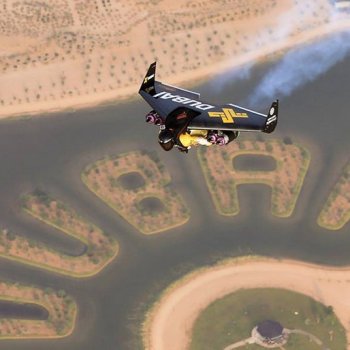
Dubai is a city of the future with extravagant luxuries and very exotic tastes. It is the ideal place to go beyond. How about flying like a superhero through the skies of Dubai thanks to a jetpack? The mastermind behind this feat is no stranger. It is Yves Rossy, who along with his partner Vince Reffet and some GoPro cameras, have flown at breathtaking speeds both around and over the city of Dubai. And they show it to us. Photo:Xtreme The acrobatic and dizzying flights are carried out at speeds of almost 200 kilometers per hour with the jetpack that Rossy himself created. In fact, he is considered the father of this type of motorized flight that is so spectacular. How do you imagine the adventures of the future? Live and never stop dreaming. See also: 8 tips for Adventure photographers Dean Potter: Fly or Die. 5 action cameras for adventurers
Kilian Fischhuber: Natural Born Climber
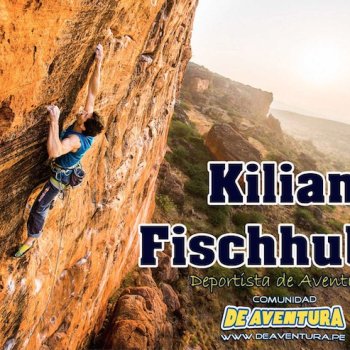
Austrian climber Kilian Fischhuber is one of the most famous climbers in the world of free climbing. The bouldering specialist has not only conquered the Bouldering World Cup several times, but has also climbed some of the world's most challenging cliffs and boulders. Photo: Desnivel The Austrian climbing star got hooked on this sport long before winning the World Cup, at just 12 years old. He was part of the Austrian youth climbing team before representing his country as part of the Austrian national team in 1999. By 2005, he was already a world runner-up, and in 2008 he became European runner-up. Photo: RedBull Since then, he has been climbing up the ranks in his sport. He is legendary, in part, thanks to his five victories in the Bouldering World Cup, as well as his versatility as a climber. He is a bouldering professional and also an expert in difficulty climbing, and with over a decade of competitive climbing experience, he remains a name to watch. Photo: Escalando.org In addition to his amazing triumphs in the World Cup, Kilian has also been named Boulder Master in 2005, 2008, and 2009, entering the Arco Rock Legends Hall of Fame. In 2012, Kilian almost reached the top step of the podium at the World Championships, but had to settle for silver in Paris. Photo: Soloboulder Currently, he continues to dominate the IFSC Bouldering World Cup circuits and the World Championships, accumulating a multitude of first-place finishes. Outside the competition circuit, Kilian continues to face challenges, mastering new difficult routes around the globe. Photo: RedBull Dare to try and overcome your fears the next time you climb.
Adventure Destination: Huaraz
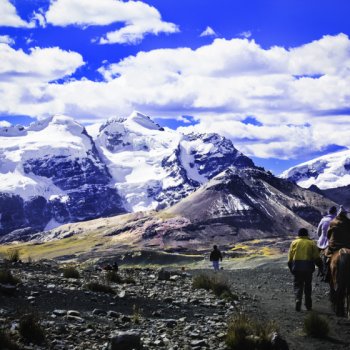
Every adventurer seeks to explore places that awaken strong emotions and make them live new experiences. Huaraz is one of those places, as it has a great variety of attractions such as snowy peaks, lagoons, valleys, beaches, and a unique flora and fauna. The Áncash department has a varied geography that impresses with its high peaks, mirrored lagoons, picturesque valleys, and trails surrounded by vegetation that cross the Andes mountain range. Photo: Foroperu These places are just a glimpse of the cultural greatness of a destination that ensures experiences full of adrenaline. What to do in Huaraz? Mountaineering Rock Climbing Trekking Rafting Snowboarding Mountain Biking Paragliding Mountaineering The Cordillera Blanca is an ideal setting for those seeking the most challenging and exciting adventures, climbing mountains and conquering the highest peaks in Peru. Mountaineering in the Callejón de Huaylas not only offers a high sports challenge, but also provides wonderful landscapes in the Huascarán National Park. Mountaineering in this area is a sport that can be practiced by the most expert professional mountaineers, who can choose extremely difficult ascent routes, and it can also be practiced by less experienced athletes through classic ascent routes. Photo: Rumbosdelperú Rock Climbing In the lower part of the glaciers of the Cordillera Blanca, there are numerous granite walls with great potential for rock climbing. There are almost vertical rock walls, others that offer routes of over a thousand meters in length. There are routes for the most experienced as well as for those with little experience. The season for rock climbing lasts all year round. Between December and April is the rainy season, which adds a greater level of difficulty. Photo: Sumaqperu Snow Sports The practice of skiing, snowboarding, or simple walks on snow or ice, has its best scenario in the Pastoruri snowfield. Photo: Huarazinforma Rafting The Santa River runs through the Callejón de Huaylas from south to north, enclosed between the Blanca and Negra mountain ranges, passing through typical villages, amidst beautiful green fields. This river receives the waters from the melting glaciers of the Cordillera Blanca, has an average altitude of 3,000 meters; it originates in the Conococha lagoon and flows into the Pacific Ocean after a 294 km journey. It is the most voluminous in the Pacific basin. The recommended season for rafting in rafts or kayaks is from May to October. During July and August, the flow can decrease significantly. From December to April, the rainy season offers extreme difficulty. Route: Rafting on the Santa River Photo: Go2peru The ideal stretch is located between Anta, near Huaraz, and the town of Caraz, an approximate 15 km route. Trekking and Mountain Biking The beautiful landscapes of the Huascarán National Park and the Callejón de Conchucos, with natural trails and ancient Inca roads, offer an ideal and incomparable place to be explored through trekking or mountain biking. The ideal season is between April and November. Photo: Enriquexpedition The great natural beauty of its setting, among rich flora and fauna, majestic snowy peaks, canyons and gorges, as well as archaeological remains and villages of native communities, are waiting for you. If you are looking for one of the most challenging trekking routes in the world, it is located in the Huayhuash Mountain Range Photo: Nuestramontaña Hang Gliding and Paragliding The western flank of the Cordillera Blanca in the mornings has strong vertical air currents, making it an ideal place for hang gliding flights or descents from high mountains in paragliding. Photo: Elcomercio Mountaineering Festival From: 27-June-2015 To: 29-June-2015 A series of events are held such as adventure sports, cultural and gastronomic activities, folk and rock festivals, exhibitions, among others. Location: Callejón de Huaylas, Áncash. Photo: Fadre Discover this magnificent Adventure destination and share your next story with us. See also: The 11 Best Adventure Mountains in Peru The Cordillera Blanca, a Perfect Place for Mountaineering Enthusiasts One of the 10 Best Trekking Routes in the World is in Peru Cordillera Blanca Mountaineering Festival 2014

Adventure News: May 1
Lima participó de la Carrera Wing for life. Este domingo, se realizó la tradicional c

Starting in Trail Running
Trail Running is an adventure sport that consists of running "off-road", along trails, mountains, or secondary roads; crossing mountains, hills, streams, and rivers. It differs from marathons and Hiking in that it is generally carried out in rugged places such as mountainous terrains with steep slopes where you ascend and descend continuously. Photo:Geocigs There are 3 important points to start in the world of mountain racing or Trail Running as many know it. These 3 points will allow us to start practicing this sport correctly and without risks. The 3 key aspects of this sport are: Proper Gear, Good Technique, and Suitable Terrain. Photo:Active 1. Proper Gear Light and breathable appropriate clothing that does not trap heat and allows us to move comfortably while running. Trail shoes should be similar to those used for city running, but with more tread and reinforcements to protect the feet and prevent slips or falls that could lead to possible injuries. It is also recommended to wear a cap, sunglasses, watch, gloves, and hydration packs. Photo:Trailrun 2. Correct Technique Technique is crucial. It is advised to always land on the forefoot area. This way, injuries and knee wear are avoided. Arms serve as balance tools; while the heel acts as a brake. Special poles can also be used to help the runner have a firm support when climbing steep mountains. Photo:Asics 3. Suitable Terrain In trail running, it could be said that the more difficult and rocky the path, the better, but that is not the case. You must know how to run on paths that allow you to gradually develop your skills. Choose circuits according to your level of practice and technique, thus avoiding injuries and putting your life at risk. Photo:Runners.es If you enjoy Adventure Sports like Trail running, this is the place for you. JOIN NOW! See also: Remigio Huamán: The Peruvian runner who never gets tired Gladys Tejeda: Peruvian Cross Country This February 1st, the Ultramarathon Challenge 2014 will be held at Asia Beach
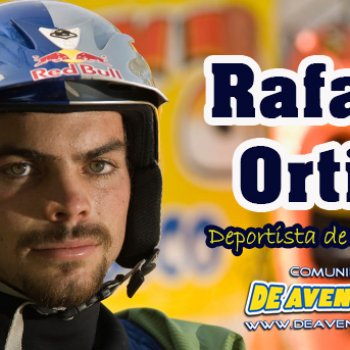
Rafael Ortiz: Life on a Kayak
It is called Rafael Ortiz, his discipline is kayak expedition and he was born on June 20, 1987 in Mexico City. His talent with the paddle and kayak has led him to navigate the most complex rivers in the world. His life philosophy is to die exhausted doing what makes you happy. While out of the water, he listens to Cuban music, blues, jazz, rock, and flamenco. Photo: RedBull The Mexican has earned a massive legion of fans with his aggressive style and approach, often seen launching himself in his kayak over 100-foot waterfalls. Ortiz learned to paddle in Veracruz, but perfected his skills in Canada and in 2005 became the first Mexican to compete in the Freestyle World Championship. Photo: Extreme Sports It was the daredevil Ben Stookesberry who introduced Rafael to canoeing. The thrill of paddling on each expedition makes this sport the reason that has led him to paddle all over the world. During an expedition in Veracruz in 2010, Rafael conquered the second highest waterfall in the world, the Big Banana drop (42m). Photo: Kayakworld In 2012, it was a very busy and laborious year for Rafael, starting with a 6-week expedition in New Zealand with Ben Brown, for Red Bull's River Hunters project. Shortly after, a brief adventure followed in Washington, United States, where he managed to land the highest waterfall ever dropped by a man, the Palouse Falls with 57.6m. Photo: RedBull Now, Rafa ended the year in Mexico, his homeland, with the start of Red Bull Chasing Waterfalls, a two-year project designed to discover unknown routes, rivers, and waterfalls along the course. He also embarked on a Red Bull project in the United States with Ian Walsh and other legends; usually, Rafa can be found navigating whitewater around the world. Photo: Redbull Bring out that adventurous spirit inside you and discover the world of Kayaking. See also: Rowing only: What is Va'a and how is it practiced? Know where to practice canoeing in Peru Rafting: How to tame rivers on a boat? Steve Fisher: The master of impossible rivers.
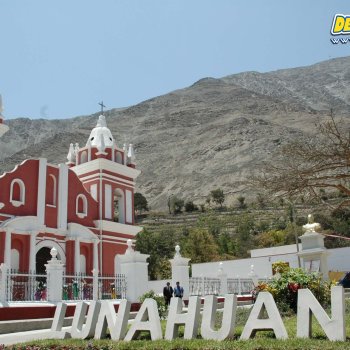
Adventure Destinations: Lunahuana
Peru is a destination that many people are eager to visit, we are fortunate to have all types of climates in the world and a wonderful geography. The question is: If you are in the capital and only have a couple of days. Where to go to find the precious sun that Lima does not have? the destination is Lunahuana, a place where time stands still and is filled with adventure and adrenaline. Photo: Lospalomoshotel Distance: Lunahuana is very close to Lima heading south, approximately 3 hours by bus or a little less than 2 hours by car. Half an hour from Cañete. What to do: The adventure in Lunahuaná begins!! 1. Get on and speed up on an ATV until the air messes up your hair and hits your face as if demanding you to wake up is a good way to start a day in Lunahuaná. The ATV ride is a good prelude to the adventure. Getting the service is easy, several tourism agencies in the area rent these vehicles for 35 soles. On top of the four wheels, you will not only feel the wind, the uneven terrain will help you shake off drowsiness if you were asleep on the way there. More about ATV in Lunahuaná Photo: Tierraviva 2. Dare to cross a valley through the air, reaching 50 kph or more. Canopy, or zipline, call it what you want. This simple system of pulleys and cables brings us a little closer to the dream of flying through the air. As you soar from hill to hill hanging from a strong galvanized steel cable, once again, the wind. Now it doesn't slap you, you are part of it. This canopy service is offered at 70 soles in the San Jerónimo valley. More about canopy in Lunahuaná Photo: Lamula 3. The most traditional sport in Lunahuaná, for which it became popular, is rafting. The routes and the variable course of the Cañete River make it ideal for those starting in this sport or for those with some experience. A safety talk, boats, paddles, and helmets in good condition reassure those who always fear this type of adventure. The best months to get on a boat and face the river's obstacles are from January to April. It is during that time of year that it is most swollen, due to the rainy season in the highlands. Of all, the best month is February, the guides told us. More about rafting in Lunahuaná Photo: 4.bp.blogspot Take advantage of this adventure destination and experience a weekend full of adventure in Lunahuaná See also: Know where to practice rafting in Peru Longest zipline in South America is in Lunahuaná

News Summary (April II)
Silver Hummingbird Winners With an elegant ceremony held last night at the Municipal Theater of Lima, the Peruvian Sports Institute awarded the most outstanding work during the 2014 season to the best national athletes, presenting them with the Silver Hummingbird. Diego Elías, squash champion in the youth category, received the national sports award, the Silver Hummingbird, and surfer Carolina Boteri, who won the Hummingbird in the 17 to 20-year-old women's category. Other winners of the day were Analí Gómez, who received the annual Olympic Torch award. A special and emotional moment was experienced when the paralympic cyclist Israel Hilario, world champion in his specialty, after receiving his award, gave a spontaneous greeting and thanks to the audience who finally applauded him very enthusiastically. Photo: Libero South American Windsurfing Championship Concludes The Paracas Bay, located at km 245 of the Panamericana Sur, was the setting for the last Optimist South American Championship held from April 12 to 18, with the participation of children between 6 and 14 years old from all over this part of the continent who were seeking the coveted championship. At the end of the competition, the best-placed from our country was Stéfano Viale, who managed to place among the top 15 in the continental event. The Optimist is considered the first step to later practice more complex sailing sports, and in that sense, the future for this discipline in Peru looks promising as we will send 5 representatives to the world championship to be held in Poland next August. Photo: Elcomercio Alonso Correa Winner of Champions of the Sea Redondo Beach in Miraflores was the stage for more than 150 children to compete in the second edition of Champions of the Sea surfing competition, organized by surfer Gabriel Villarán. This year, the tournament is part of the IPD National Youth Circuit and corresponds to the second valid date of the season. The previous call was a success, hence the large number of participants. It was hard work for the entire production team and judges who had to score each of the heats. The level seen in each of the heats suggests that surfing in Peru will continue to be well represented in the future. The central winner of the event was Alonso Correa, winner of the Under 18 category, who defeated Jhonny Gerrero, winner of the Under 16 category, in the "Super Heat" final after a highly contested 20-minute heat for the grand prize of Champions of the Sea: a trip to Hawaii, the mecca of world surfing. Photo: Rpp See also: Adventure News (April I) Adventure News: May 1 Adventure Summary 2014

How to Practice Canyoning?
The activity of canyoning is one of the quintessential adventure sports, and more and more people are daring to practice it in search of new sensations. If you are a beginner or simply want to improve your skills, on our Adventurer's Blog we explain the tips for practicing canyoning that you should keep in mind. Photo: cuchillosnavajas The equipment should contain the necessary and useful materials. You should carry a canyoning backpack containing a knife, whistle, food, water, thermal blanket, first aid kit, and spare dry clothes. You must bring the necessary equipment for canyoning: wetsuit, swimming goggles, helmet, harness, ropes (minimum of 3), carabiners, and gloves or water shoes. Photo: 2.bp.blogspot It is much better to do this activity accompanied since we are talking about practicing a sport in isolated canyon areas away from the city, and it is always more convenient to go in a group. If you lack experience, it is better to contact a specialized canyoning company so that you can have qualified instructors and ensure a safe practice. Photo: vigolowcost It is very important to be clear about the characteristics of the canyon: pools, rappels, siphons, length, approach, or escape routes in case you need to leave the route. For example, you should never jump into a pool without first checking its depth. Similarly, you should plan the route in advance consulting maps or sketches. Photo: guadalkayak The weather forecast is an aspect you must consider when practicing canyoning and never take risks if there is a possibility of rain or if there have been adverse weather conditions in recent days, as this can lead to an increase in water levels. If you practice canyoning frequently, it may be worthwhile to join a federation or mountain club. In fact, if you are interested in mountain sports, it is advisable to join a federation regardless of your level. Photo: puertadelavera Would you dare to practice this sport? See also: 10 apps every traveler needs. How to navigate with a compass What should I carry in my adventurer's backpack? 5 action cameras for adventurers

Flying in a paraglider over Patagonia
Peruvian multisport athlete Mariano Breccia shares his latest adventure through the air in Chilean territory. Patagonia is known for being a region full of incredible landscapes where many adventure sports are practiced, such as Paragliding; on this occasion, Mariano, sponsored by Adidas, takes the reins of his Paraglider and launches himself into the air to show us Patagonia like few have seen it, from the sky. Hold on tight, leave your fears behind, and let's fly a bit like the birds #Limitless. Here we leave you with the video that summarizes Mariano's adventure in Patagonia If you enjoy this sport, learn more about it in this adventure post Share your Adventures and show how adventurous you are. See also: Speedriding: Combination of Paragliding and Skiing Nothing better than paragliding over the Lima coasts Feel safe with tandem paragliding flights

Adventure News (April I)
DAKAR 2016 RETURNS TO PERU. #OFFROAD The news that all OFF ROAD enthusiasts were waiting for has been confirmed. The Rally Dakar returns to Peru in its 38th edition, which will pass through Peru, Bolivia, and Argentina. The starting date will be January 3 of next year and will begin in Lima to then face the Ica desert. In total, there will be 13 stages covering a total of 8500 km, finishing in the city of Rosario, Argentina. SUNDAY CELEBRATES BIKE DAY. #CYCLING In Peru, cycling is a sport that has become a major player on the streets; 82 thousand bike trips are made daily in our capital, generating a positive impact both ecologically and economically on society, not to mention the reduction in motorized traffic. This Sunday we will celebrate Bike Day with some bike rides: - “Muévete Lima”: Sunday 7:30 am meeting point Plaza de Armas de Lima. - “Surco sobre ruedas”: Sunday 8 am meeting point Av. Manuel Olguín. - “Bike Caravan: Sunday 9 am meeting point esplanade located between street 7 and street 10 (Height Av. Guardia Civil with Av. Del Parque Norte) PICCOLO CLEMENTE CHAMPION IN ECUADOR. #SURF The longboarder Piccolo Clemente was crowned champion of the second stage of the Latin American surf circuit, the ALAS Classic Montañitas 2015, which ended last Saturday in Ecuador. In the final series, Clemente scored 15 out of 20 possible points, thus winning the championship, adding to his second win of 2015, placing him first in the overall ranking. INES MELCHOR DREAMS OF THE PAN AMERICAN GAMES. #MARATHON Last weekend, Inés Melchor participated in the IX Santiago Marathon in Chile, where she not only reached first place but also set a record time of 2:28’18” in the 42 km race. The race was very tough for the runners, as it goes uphill until km 31 and only the remaining 11 are slightly downhill. Inés is preparing to compete in the New York Marathon in November. Find our Weekly News Summary on Adventure Sports every Friday. See also: News Summary (April II) Adventure News: May 1 “First cycling rally: Amazon Mountain Bikers Challenge” Several tourists arrived at the RockFest 2014 Festival in Valle Dorado Huayhuay, La Oroya Cordillera Blanca Mountaineering Festival 2014
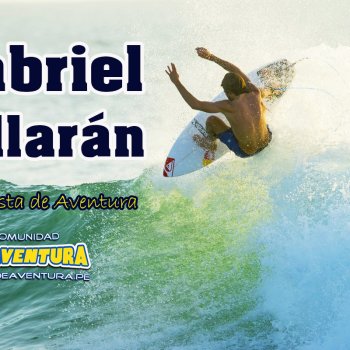
Gabriel Villarán: Peruvian Soul Surfer
Surfing is a sport full of adventure, connection with nature, and good vibes. In Peru, there are many people who practice this sport, but very few who manage to establish that special connection with what they do; one of those few Soul Surfers is our champion Gabriel Villarán, get to know him a little better in this post on De Aventura. His beginnings were not the best; Gabriel recounts that it was his father who encouraged him to practice surfing from a young age. At just 6 years old, Villarán entered the sea with his board, but a series of waves ended up pushing the board against him, cutting his nose. At that time, Gabriel no longer wanted to try, but his father's motivation and persistence to improve made him return to the sea. Gabriel is one of the most extreme and amazing surfers in the region (Latin America) and why not say it, in the world. Famous for his results, but also for his immense bravery and technique to face the most wicked and dangerous waves in the world. In 2008, he rose to stardom by winning the Open category of the National Championship. At that time, he finished second in the WQS in Puerto Escondido (Mexico) and won the Best Tube award at the Cabo Blanco Billabong Tube Riders. In 2009, Gabriel finished third in the ISA World Surfing Games in Costa Rica, and competed for the first time in a WCT world championship. Since then, he has won numerous competitions, such as the WQS event in Chile, and has finished second in the Quiksilver Ceremonial Punta Lobos Big Wave Invitational. He caught attention again at the Quiksilver Clásico Mazatlán in early 2011, where he surfed the best wave (8.6 out of 10). Additionally, he was the runner-up at the Pawa Tube Fest Invitational 2013 in Mexico, which once again kept the eyes of the surfing world on a Peruvian rider. In addition to competing, Gabriel likes to go further, accepting challenges beyond the main competitions. Some time ago, he decided to surf a river wave, in the Vilcanota River in the Andes. And currently, he is focused on tackling the Big Wave like the fearsome Pico Alto wave. "In the North is peace," Cabo Blanco is one of his favorite waves for its perfect and wide tube, as well as being a right-hander ideal for his style. Villarán is also a lover of Yoga, which has helped him improve his flexibility and center of gravity. It has also helped him psychologically to face big and dangerous waves. If you have a surfer soul, go out and show the world what you are made of, you could be the next Peruvian champion. See also: Analí Gomez: Revolution on the waves 5 tips for Surfing Jet Surf: Surf at full speed
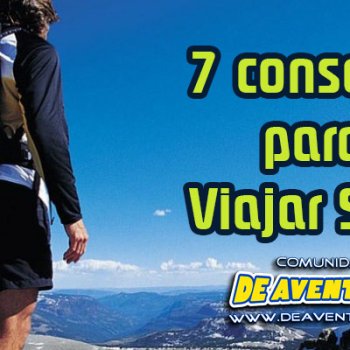
Tips for traveling solo
Are you someone who likes to travel, live adventures, walk through the city, try new things...but never alone? Don't worry, leave fear, anguish, dread, and worries of being alone behind and start living one of the best experiences in life: TRAVELING ALONE. Surely at some point in your life you have considered traveling alone with your backpack on your back and exploring the world; but when the time comes to do it, doubts start to arise: How do I...? Or What if...? and a thousand more questions. You, STAY CALM, because now we are going to give you some tips to stop asking yourself so many questions and start walking alone around the world. Simple Planning: You don't need to plan every detail of your trip, not the accommodation for every night. The basics are to book the first night, as a solo traveler, what you will need is a safe place upon arrival, so you can settle in, get to know your location, adapt a bit, and start planning your itinerary for the following days. Photo: mindfultravelbysara Choose a destination according to your experience: India, Australia, or some place in Africa are probably at the top of your list of destinations to visit, but don't worry, the time will come to travel to those places; As this is your first solo trip, we recommend evaluating your travel skills and experience, choose a destination that aligns with this and your travel expectations. Photo: Turismomundial Arrive early at your destination: Arriving at night makes any place look more intimidating. Arriving late in the day makes it difficult to change your accommodation if you realize it wasn't a great choice. Try to schedule your trip so that you arrive not too late and have more options to go out and explore or make any last-minute changes. Photo: Styleshockvisual Secure everything you carry: Make sure everything is locked or at least stored in a VERY secure place. If you are going to share a hostel room, you CANNOT go without a couple of padlocks to secure your belongings. You can also hide your money, documents, and cards in different places like inside your flashlight or a pill bottle. If someone snoops in your backpack, they probably won't take the "aspirin." Photo: Lavanguardia Slow down your trip: Enjoy your destination, you don't have to see EVERYTHING in a city in just one day. Prioritize your interests, your tastes, and your budget. It is very common in a new city to try to go from one place to another non-stop and end the day too tired to remember the places you visited. Take your time to enjoy each experience, not all memories and sensations fit into a photograph: Go out, walk, look, eat, smell, touch, explore, and discover this new world around you. Photo: Mochilerostv Learn a little of everything: In every trip, you have the opportunity to meet new places and people, take advantage of each moment to exchange ideas or plans, in accommodations you will learn a lot about the customs and cultures of your roommates, don't be alarmed if something seems too strange, you are experiencing and learning, take it that way. Be flexible and make your trip an enriching experience for your whole life. Photo: Cairnsunlimited Always stay safe: Solo travelers are responsible for their own safety, so be attentive at all times. Safety is a big issue, but basically, you should follow your instincts and the safety rules you use at home. Have emergency numbers and details of where you are going to stay. If you go out at night to have fun, choose very carefully who you are going out with and stay sober, remember that no one can take care of you better than yourself. *Extra Tip: Have Fun There are thousands of bits of advice that can be given, but in reality, a little common sense and a big smile are what is really needed for a good time. See also: 10 apps every traveler needs. How to camp in the rain How to combat altitude sickness What to pack in your adventure backpack?
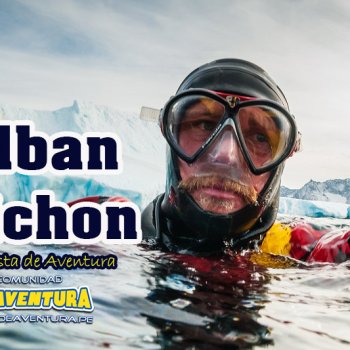
Alban Michon: Diving under the polar ice.
This time we present an adventurer who will make you shiver with cold just by reading his story. Surely for many, going to Greenland would be a truly incredible and exciting adventure. But for adventurer Alban Michon, this is just his playground. Discover this cold adventurer in the following post. Photo: Redbull Michon is an expert in ice diving, he is passionate about diving under the thick layers of ice in places like Antarctica and discovering the underwater world that awaits him in the depths. What does he like about diving? The feeling of weightlessness is unique when he starts to dive and explore the seabed. Alban has become a modern explorer who tries to bring people images that make them dream. The message he conveys through his work is: "look at how beautiful and authentic the world is. We have to take care of it!". Photo: Redbull Under the ice, Michon has found cod, sharks, jellyfish, and even polar bears. One of his most bizarre anecdotes has been encountering a polar bear while diving in Antarctica. "It was a very strong experience, fortunately he was just curious and we only exchanged brief glances," says Alban. Photo: Redbull Climate change is a real problem that directly affects these places in the world. According to his experience, in 50 years we will gain a degree of temperature, causing the ice to lose its firmness and beauty. Regarding the dangers of diving under the ice, it is more or less safe despite being a hostile territory. There are ice plates that can detach and fall on you, your equipment can freeze, or you may suffer from hypothermia, but in the end, every risk is worth it. Photo: Redbull For Michon, the best part of what he does is the environment: all the lights and colors are incredible. From the skies with aurora borealis to the huge ice walls he has to dodge in his canoe. For many, the cold is insignificant, but for Alban, the cold is alive. Alban Michon has published a book, called 'Glaceo', about his 51-day expedition in Greenland. You can see it here: www.albanmichon.com See also: Diving: Discovering the underwater world.
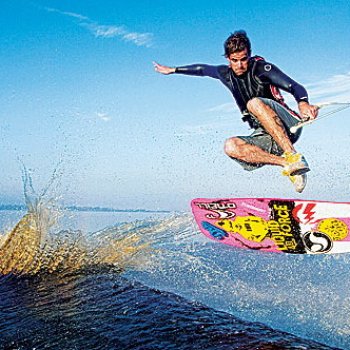
WakeSkate: The Fusion of Skateboarding and Wakeboarding
Cada vez hay más deportes, y uno no termina por entender de qué se tratan cada uno de ellos. Hasta qu
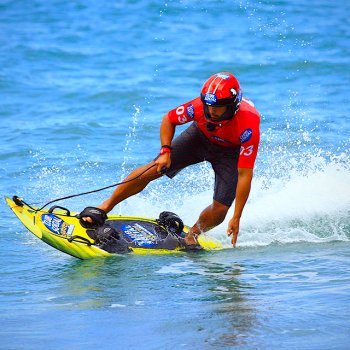
Jet Surf: Surf a toda máquina
The concept of a self-propelled board by a motor is not new. There have been patents for over half a century, but it has only recently been fully implemented as a sport: The Jet Surf, which as its name suggests combines a surfboard with a propulsion motor (Jet) that operates thanks to the storage of electric energy. Photo: Jetsurfasiapacific Currently, many brands offer electric motor boards that allow you to enjoy speed on the water. From leisurely rides and journeys on the water surface to the most extreme maneuvers for adrenaline enthusiasts. With the Jet board, you decide how far you want to go. Photo: Jetsurfasiapacific Boards: They can reach speeds from 50 to 70 km/h, usually weigh between 15 to 20 kilograms, allowing for easy transport to any destination. Their motor has an 80 cubic centimeter capacity and consumes two liters of gasoline per hour. Photo: Jet-surf There are mainly 3 types of Jet Surf boards: The ‘Pro Race’, the ‘Ultra Sport’, and the ‘Factory’. Photo: Blessthisstuff The ‘Pro Race’ is the fastest and most challenging professional board to ride. This board can reach speeds between 60 and 70 km/h on the water, only sport specialists can maneuver it because its control depends on a lot of technique and balance. In terms of price, it ranges between 9,000 and 12,000 dollars. Photo: Quoteimg The ‘Ultra Sport’ is a board recommended for enthusiasts or beginners in this sport; its speed is lower than the ‘Pro Race’, allowing for better control and safety; as well as having a good time on the water. Photo: bbcicecream Finally, we have the ‘Factory’, a board exclusively for beginners or people who have never practiced surfing. This board has foot grips, providing a special grip to the athlete so they don't fall off the board when going at speed, primarily ensuring safety while riding. Photo: Luxatic To learn more about new sports, JOIN our Adventure Sports Community and stay up to date on the latest in outdoor sports on our blog. See also: Gabriel Villarán: Peruvian Soul Surfer Kite Surfing: A Dream Turned Sport Rob Machado: Surfing with Style and Aloha 5 Tips for Surfing

8 tips for Adventure Photographers
1. Bring an appropriate backpack. To begin with, you should know that taking a camera on an adventure outing is very different from taking it to a party or birthday; it won't be enough to have it tied to your wrist or in a fanny pack tied to your waist. It's best to have a backpack that is suitable for all your photographic equipment. If you're going on an adventure, it's best to get a comfortable and waterproof backpack with easy access to the camera and enough space and compartments for the rest of the equipment you'll be using. Photo: Bancoideas 2. Choose a good tripod. Having a good tripod when you're in the middle of nowhere and miles from civilization is vital. Let's see what features are important when choosing one: Lightweight, stability, and price; these are the main aspects of a good choice. To start, the tripod should be lightweight but stable; that's why we recommend those made of carbon fiber over aluminum ones, although carbon fiber tripods tend to have a higher price. These characteristics can be complemented by size (it can be tall or tabletop, look for both, as they will be very useful). Photo: fotoperezbadajoz 3. Protect your lenses with filters. Now let's talk about the parts of our photographic equipment, starting with the most basic, the lenses. Why should we take care of the lenses? Lenses are like the eyes of the camera, they can get dust, water, or even be scratched by an object. It is advisable to use either a UV filter or a Polarizer. The polarizing filter allows us to absorb a polarized component of light, and in some locations, it helps reduce reflections and achieve more vivid and realistic colors. It is recommended to have a cleaning kit to avoid dirtying or damaging the lens when trying to clean them. Photo: Taringa 4. Use ample and protect your memories. One of the worst things that can happen to a photographer is running out of space on the camera's memory. Therefore, make sure to work with ample and reliable memories, remembering that each shot is unique and invaluable. Another thing you should do is protect your SD (memories) from impacts, water, and dirt. Carry all your memories in a hard case so that nothing happens to them, there is nothing worse than getting home and realizing that all the day's work is lost because our memory got damaged. Photo: Digitalshop 5. Wi-Fi SD Memory. How many times have we taken a photo that deserves to be shared instantly? Those romantic sunsets, a special sunrise, or that endless storm in the middle of the road. Our cell phone allows us to do it, but with our cameras, it was almost impossible until now. If you're one of those who don't want to wait to download the shots to your PC, you can use the new Wi-Fi SD cards, which allow you to transfer your photos to any device (tablet and mobile) connected to the network it creates, so you can develop and share them instantly. Photo: underc0de 6. Always carry extra batteries. One of every photographer's greatest fears is running out of battery. Some tend to anticipate this problem and carry two or three extra batteries during the trip; however, if the trip is longer and there is no way to recharge them, we will be in serious trouble. For those cases, there is nothing like a solar charger for camera batteries, this idea will allow us to charge the internal battery during the day and then recharge the camera's battery at night. Photo: digitalshop 7. Protect your screen. A camera with a dirty or scratched screen is like taking blind photos. Some cameras come with foldable LCD screens that rotate facing the camera, making them more protected. But if your camera is not one of those super modern ones, the solution is simple, you can protect your screen with a plastic film like the ones used to protect cell phones. Photo: digitaltoyshop 8. Make the most of your camera. Make the most of your camera and all the resources you find around you. Remember that there is no better scenario for photographing than nature itself. Discover textures, focuses, types of light, exposures with time-lapse, etc. The idea is to experiment and learn with each shot you take with your camera. Photo: 10puntos Extra Tip: Shoot as much as you can. Next time you go on an adventure, remember to follow the tips we've given you to protect your equipment and get better shots. Just remember that what really matters is to enjoy and learn to take better photos; shoot without mercy, take all the necessary photos, find your style, and try to capture the experience you are living. If you liked this article, we invite you to take many photos on your next adventures. See also: 10 applications that every traveler needs 5 action cameras for adventurers 10 useful tips for all your trips What should I carry in my adventurer's backpack?

Gladys Tejeda: Peruvian Cross Country
She was born in the province of Junín, in a place two and a half hours from Huancayo, where she grew up running through the plains and under the rain. Her mother was the one who motivated her to achieve her first goals; then time would do its job and would place Gladys where she deserves, at the top of the podium with the Peruvian flag. We leave you with the incredible story of this great adventure athlete specialist in the Cross Country discipline. Photo: Todomenosfutbol Gladys is an educator by profession and although as a child she dreamed watching the Olympics on television, she never imagined that her desire to qualify for the Olympic Games would come true so quickly. In the blink of an eye, she went from chasing her father, who was on horseback herding his cows, to parading in the opening ceremony of London 2012 wearing a typical outfit from her native Junín. Photo: Deportespe London 2012 How did she qualify? Gladys placed fourth in the Seoul International Marathon in South Korea, which earned her the "A" standard thanks to her time of 2 hours, 32 minutes, and 32 seconds in 42 kilometers. This allowed her to secure her participation in the London Olympics. Photo: Wikipedia Mexico 2013 In the marathon in Mexico City, Gladys broke a hegemony and made history. Since 2002, Kenyan runners had dominated this race; the last Latin American to stand on the podium had been Mexican Edilberto Mendez in 2009, but the Africans were practically unbeatable. Photo: Atletismoperuano That day, Gladys Tejeda and Raúl Pacheco, another Peruvian athlete, made history in the Mexican country. Both arrived first in both categories: male and female, and at dusk, the Peruvian flag waved high in the capital of Mexico. Puerto Rico 2014 Another joy for Peru abroad. This time, Gladys was the fastest in the 52nd edition of the San Blas Half Marathon in Puerto Rico. Tejeda finished the competition with a time of 1 hour, 15 minutes, and 35 seconds, defeating the Ethiopian Emebet Badada, who was the reigning champion until that moment. Photo: cdn.tuteve National Record The athletics track at Stanford University in California witnessed how Gladys Tejeda broke the record for the 10,000 meters set by her compatriot Inés Melchor in 2012. Photo: Jcmagazine Tejeda covered the 10,000 meters in just 33 minutes, 6 seconds, and 99 hundredths, six seconds faster than the time of Huancavelica's Inés Melchor of 33 minutes, 7 seconds, and 75 hundredths. Colombia 2015 During the last Pan American Cross Country Championship held in Barranquilla, our athlete and four other runners managed to qualify for the World Cross Country Championship in China on March 28. Photo: Peru21 Gladys won the gold medal in the senior category, showing that she is a very strong runner and adaptable to all terrains, her time for the 7-kilometer race was 21 minutes and 18 seconds, securing her spot in the world championship. See also: How to start in Trail Running Remigio Huamán: The Peruvian runner who never gets tired. Trail Running: Running through nature. This February 1st, the Ultramarathon Challenge 2014 will be held at Playa Asia
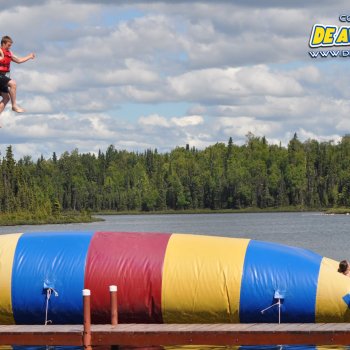
Blob Jump: Jump, fly, and dive in.
This summer is all about water sports. We recently told you about Flyboarding and Wakeboarding; this time, considering the increasing heat and the long summer ahead, we bring you an adventure sport that is all the rage in the United States called Blob-Jump. If you are one of those who enjoy adrenaline and are not afraid of heights, you will be counting the days to launch yourself onto one of those blobs. Photo: tignesnet What is Blob Jump? It is a sport practiced in lakes with moderately deep waters, placing a large inflatable bag (the blob) at the shore. While a group of people jump on one end of it, the air inside the bag catapults the person sitting on the other end, starting a flight that will end with an imminent dive into the water. Photo: travelchannel.sndimg. The jumps, flips, and spins offer a breathtaking spectacle in the air, and a striking and unforgettable experience for those who try it. Photo: youtube The risk is minimal since all participants are equipped with protective helmets, life jackets, and wetsuits, and it can be practiced from the age of 10. The mat usually measures 10 meters long by 3 meters wide, and the flights can reach great heights. Photo: wakeandjam The origin of blobbing dates back to the United States, when a soldier discovered the effect in the rubber tanks used for transporting fuel. His comrades at the barracks started practicing it in a nearby lake to pass the time. It was soon exported as a recreational activity to summer camps in the country. And it has not taken long to arrive in Europe and some countries in South America, so we hope to have it soon in Peru. Photo: reddit The jump that currently holds the world record is 17 meters high, you can watch the video here. If you would like to experience this type of adventure sports in Peru, join and share in our De Aventura community. See also: Flyboard: The new sport of the future.

10 apps every traveler needs.
Part of the traveler spirit is to use all possible tools to make your trip an unforgettable, enriching, and above all, independent experience. Being outside of our city or country often generates feelings of disorientation, doubt, and even fear. For all those adventurers with a traveler spirit, we bring you a summary of the 10 apps you can use on your upcoming trips. 1. Couchsurfing Couchsurfing is a global community of over 9 million travelers in 120,000 cities who build meaningful connections between cultures. Basically, this app helps you find a place to stay in a foreign city. Members can host you in their homes for almost nothing, although the philosophy of this app is for you to find a place to stay and also host another member in your home if you wish. 2. Google Maps The almighty Google continues to make travelers' lives a little easier. The geolocation of its maps allows us not only to locate ourselves in a specific point in the world, but also to take a virtual tour of some cities around the world from your phone; undoubtedly, this app is essential for every traveler. 3. Flysmart Become an insider at airports. Combine flight data and real-time notifications, it also allows you to track all your flights including connections and return trips, so you are always aware of changes in your flight schedule, gate assignments, shops, wifi, and baggage claim. Download it and plan your next trip easily. 4. Help me S.O.S International Global assistance in the palm of your hand. This app provides security anywhere in the world, in case of an emergency or unfortunate situation, you can call the police, firefighters, ambulance, and also share your data and location with some of your contacts based on your phone's tracking. This app will keep you always prepared for any unforeseen event. 5. Maptia Tell the story of your trip with Maptia. This interactive and collaborative app allows us to build an interactive map that uses photos and words to reconstruct places based on experiences lived in that same place. Without a doubt, downloading Maptia will make you live more than just one trip, and you can also share (and help) other travelers discover new places. 6. XE Currency Convert every world currency with this application. It offers tables, live exchange rates, and even stores the latest exchange rates so it works when there is no internet access. Useful and accurate for those who frequently travel abroad and do not want to be 'surprised' by unscrupulous sellers or traders. 7. Weather Pro One of the most reliable weather apps on the market. It can forecast every 3 hours for the next week, including temperature, wind direction and speed, atmospheric pressure, amount and probability of precipitation, and humidity level. The best part of this app is that it can connect you to personal weather stations associated with Netatmo. Its results are displayed in easy-to-understand graphs. If you want to be prepared for everything, download it. 8. Lemon Wallet Take your money wherever you go. It is essential to always carry money with us on every trip, which can cause some insecurity in unfamiliar places. For this, we can use this app, which is precisely a wallet; you can store what a normal wallet might not: credit cards, identifications, business cards, or you can even create your own category; all under a password so that only you can access it. 9. Kayak It is an application that will help you in the planning of your trip. Flights, hotels, car rentals, restaurants, and more categories in which you can browse and choose what best suits your plans and needs. This is one of the most used apps by travelers around the world as it has quite extensive data, allowing you to compare multiple options at the same time, essential. 10. Free Wi-Fi Finder There is not much to explain about this app since its function is simple and essential for many travelers who want to connect to internet networks near their location. Avoid roaming charges on your phone line by using this app anywhere in the world; the idea is to make the most of all the tools that internet access provides us. If you found this article interesting, we invite you to discover 5 action cameras for adventurers Now leave home and start living the adventure of traveling and exploring the world.