
Adventure Blog
Discover tips, experiences and guides for your next adventures
Categories
- Andinismo
- Barranquismo
- Blob Jump
- Buceo
- Canopy
- Canotaje
- Ciclismo
- Consejos
- Deportes de aventura
- Destinos de Aventura
- Entrevistas
- Escalada
- Esqui
- Festivales
- Flyboard
- Infografías
- insight de aventura
- Kite Surfing
- Leyendas de aventura
- Longboard
- Noticias de Aventura
- Otros deportes
- Parapente
- Puenting
- Sandboard
- Slackline
- Surf
- Todo Terreno
- Trail Running
- Trekking
- Ultramaratón
- vaa
- Video de Aventura
- Wakeboarding
- WakeSkate
- Windsurf

The Adventure of Connecting: Netwoo Takes You to the Best Technology and AI Events
For many professionals, the real thrill lies in discovering new opportunities and meeting fascinating people in their own field. And in the world of technology and artificial intelligence, every event is a new journey. Netwoo is the networking app that accompanies you on that adventure, from planning your route to celebrating your new connections.The Treasure Map: Discovering EventsIt all starts with the Netwoo map: an updated events billboard with conferences, workshops, and technology and artificial intelligence meetings in Peru. From "AI Saturday" to "DevOpsDays Lima," passing through "Build with Claude Lima" and the "Peru Tech Summit," the offer is varied and there is always something that piques your curiosity. The app allows you to filter by categories, so you can focus on what really interests you without wasting time searching through dozens of pages.Packing the Backpack: Before the AdventureOnce you choose your destination, Netwoo helps you prepare. You can schedule events with a click, and the app sends you reminders so you don't miss the date. It also suggests updating your professional profile before the event, so you arrive with your impeccable "digital business card" ready to share instantly with a QR code. Forget about paper cards or writing down numbers.The Expedition: Connecting During the EventYou arrive at the event and Netwoo becomes your expedition companion. You share your QR code with other attendees and scan the profiles of people who interest you. It's quick, direct, and eliminates the initial awkwardness. In addition, the app has an internal chat that allows you to communicate without giving out your WhatsApp number, and shows you which other profiles are available for you to discover more "adventurers" to connect with.The Loot: Tracking and Meaningful ConnectionsNetwoo automatically saves every contact you scan, linking it to the event where you met them. You can add private notes so you don't forget any details. And the best part: it allows you to schedule reminders to follow up after the event. That way, days later, you can send a message with context and turn a casual encounter into a real collaboration opportunity.ConclusionNetwoo is the travel companion that every professional needs to explore the world of technology events. It helps you discover, prepare, connect, and follow up. With over 12,400 professionals already using the app, your next great connection awaits.
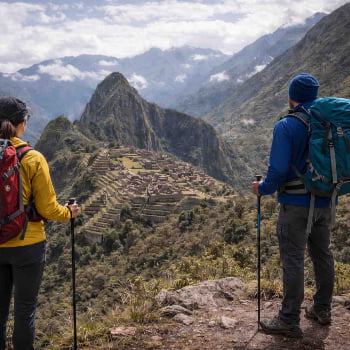
What to do in Cusco if you love adventure: trekking, rafting, and breathtaking landscapes.
Cusco not only captivates with its history and archaeological sites. It has also become one of the favorite destinations for those seeking outdoor experiences, with trekking routes, imposing mountains, and river descents in Andean settings that truly make a mark. Peru's official tourism portal presents Cusco as an ideal environment for adventure sports and highlights trekking among its most sought-after activities. One of the reasons why this region is so attractive is that it allows you to combine adventure and variety in the same trip. In a few days, you can go from a demanding hike among snow-capped peaks to a day of rafting in the valley, surrounded by mountains and agricultural landscapes. This mix makes Cusco work very well for travelers looking for intense adventures as well as those who prefer to try different activities without leaving the region. Trekking in Cusco: routes that make a difference When it comes to trekking, Salkantay stands out among the best-known routes. Peru Travel describes it as a journey that is usually done in 5 days and 4 nights, starting from the Mollepata area. It is a highly sought-after option because it combines altitude, snowy landscapes, and a sense of a long journey that changes scenery as you progress. Another highly valued experience is Ausangate. The official tourism portal points out that trekking around this snow-capped peak is one of the most comprehensive ways to explore the area, while another publication from Peru Travel explains that the classic route can take 5 days and 4 nights covering about 70 kilometers. Therefore, it is usually recommended for travelers looking for a more challenging hike and truly impressive high mountain landscapes. For those looking for a one-day adventure, Laguna Humantay remains one of the most attractive excursions from Cusco. An official package from Peru Travel indicates that the excursion heads towards Mollepata and then to Soraypampa, from where an approximate 1 hour and 30 minutes to 2-hour hike to the lagoon begins. This makes it a great alternative for those who want to experience trekking without committing several days of their trip. Rafting in Cusco: adrenaline on the Vilcanota and Urubamba rivers The other great plan for adventurers is rafting. Peru Travel promotes this experience on the Vilcanota River with class II to IV rapids, showing that it is not only a visually appealing activity but also a proposal with a good dose of excitement. Additionally, in the Sacred Valley and the southern area of Cusco, there are departures designed for those seeking a short but intense adventure. One of the most popular routes is in the Chuquicahuana sector, near Cusipata. There, specialized local operators describe approximately two-hour river tours with class III and III+ rapids, noting that no previous experience is required to participate, as long as it is done with a briefing and proper equipment. They also detail that during the dry season, class III rapids are usually found, while the level can increase during the rainy season. The interesting thing about rafting in Cusco is that it does not compete with trekking; it complements it. While hikes allow you to connect with the altitude, snow-capped peaks, and lagoons, the river adds speed, teamwork, and a different view of the Andean landscape. Therefore, many travelers end up planning mixed itineraries, with one or two days of hiking and a day of rafting to balance effort, fun, and variety. This combination also appears in official and commercial adventure proposals within the region. How to make the most of these activities in Cusco A good idea is to start with a lighter outing and leave the more demanding routes for later. Humantay can work well as a first approach to trekking, while Salkantay or Ausangate usually fit better in adventure-focused trips. In the case of rafting, it is advisable to check the type of rapids, the season, and the level of the route before booking. In the end, Cusco has something that many destinations do not easily combine: mountains, rivers, and powerful landscapes in one trip. If you enjoy moving, walking, paddling, and returning with the feeling of having experienced something more active than classic tourism, then trekking and rafting are two of the best activities you can do in this region.
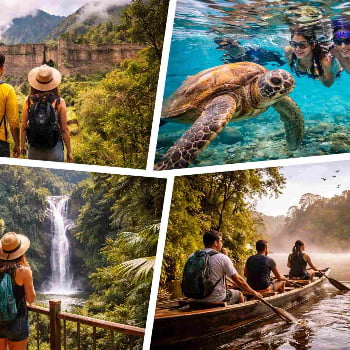
Unmissable activities to enjoy Easter to the fullest.
Semana Santa puede aprovecharse mucho mejor cuando el plan no se limita a “salir”, sino a elegir experiencias que realmente cambien el ritmo. Si

Peru celebrates: Áncash is recognized as the Best Adventure Destination in the World 2025
Áncash celebrates in style the recent international recognition that declared the region as the Best Adventure Destination in the World 2025 at the TOURISE Awards, held in Saudi Arabia. The announcement was confirmed by the Ministry of Foreign Trade and Tourism (Mincetur) and PROMPERÚ, highlighting the destination's potential for nature and high mountain tourism. Although the award is granted to the region of Áncash as a whole, Huaraz stands out as the gateway to this adventure experience. From here, routes depart towards Huascarán National Park, the Cordillera Blanca, and the Cordillera Huayhuash, areas considered among the best scenery in the world for trekking, mountaineering, and high mountain tourism. An award that confirms Huaraz's leadership in adventure tourism The TOURISE Awards distinguish the most inspiring, sustainable, and attractive destinations on the planet for responsible tourism. In the 2025 edition, Áncash prevailed over other international references such as the Galapagos Islands (Ecuador) and the Impenetrable Bwindi National Park (Uganda), further enhancing the region's prestige and, especially, Huaraz as the adventure tourism capital in Peru. Authorities in the sector have emphasized that this recognition not only responds to the beauty of the landscapes but also to the coordinated work between local communities, tour operators, and the State to promote a sustainable tourism model, with an emphasis on conservation, safety, and visitor experience. Why Huaraz captivates travelers In recent years, Huaraz had already been accumulating recognitions. In 2024, it was included by Tripadvisor in the list of "trending destinations" worldwide, alongside cities like Tokyo, Seoul, or Bogotá, thanks to the excellent reviews from travelers around the world. Among the attractions that now consolidate its fame are: - Laguna 69, Churup, and other turquoise lagoons within Huascarán National Park, considered true icons of trekking in South America. - High mountain routes towards emblematic snow-capped peaks like Huascarán, Alpamayo, or Pastoruri, attracting mountaineers and photographers from around the world. - Cordillera Huayhuash, one of the most spectacular trekking circuits on the planet, recommended for experienced hikers. - Vibrant culture and Andean gastronomy, complementing the adventure with local experiences, fairs, crafts, and typical dishes that strengthen the regional identity. Impact for the region and future opportunities The recognition as the Best Adventure Destination in the World 2025 is expected to boost the arrival of more national and international tourists, increasing the demand for lodging, guiding, food, transportation, and specialized experiences. For Huaraz, this represents a great opportunity for economic development, job creation, and strengthening of local tourism-related ventures. At the same time, authorities have stressed that the challenge now is twofold: maintaining the quality of the tourist experience and reinforcing good environmental practices. The protection of glaciers, lagoons, and high mountain ecosystems will be key for the destination to remain competitive and sustainable in the long term. Huaraz, Peruvian pride and starting point for adventure With this award, Huaraz consolidates its image as the adventure capital in Peru and as a world-class destination. The city is not only a base for excursions and expeditions but also a meeting point between travelers, communities, and nature. For those seeking challenging hikes, postcard-worthy landscapes, fresh air, and direct contact with the Andes, the recent award is a confirmation: Huaraz and Áncash are now among the best places on the planet to experience adventure authentically and responsibly.
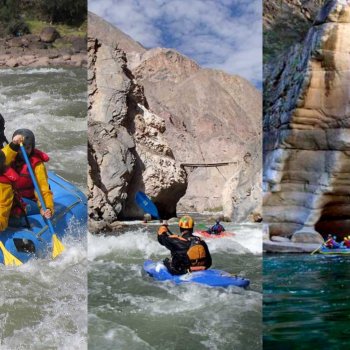
Rivers of the Peruvian Andes for Rafting
Peru, with its diverse geography and imposing Andean mountains, is a privileged destination for whitewater rafting enthusiasts. Its rivers, fed by the Andean snowmelt, offer exciting journeys with rapids of varying difficulty levels. From turbulent waters that challenge even the most experienced to gentler routes for those looking to start in this sport, the Peruvian Andes have options for everyone. Below, we explore some of the best rivers where adrenaline and natural beauty combine perfectly. Urubamba River – The perfect combination of culture and adventure Located in the Sacred Valley of the Incas, rafting on the Urubamba River is one of the most popular experiences for adventure lovers in Peru. Its waters flow through impressive landscapes, with mountains, Inca terraces, and unique biodiversity. Depending on the chosen section, the rapids range from levels II to IV, making it ideal for both beginners and those seeking an intermediate challenge. Additionally, its proximity to Cusco allows adventurers to complement the adventure with visits to archaeological sites such as Ollantaytambo and Machu Picchu. Apurimac River – Pure adrenaline in the heart of the Andes Considered one of the best rivers in the world for rafting on the Apurimac River, this destination is a must for the most experienced. Located in the Cusco region, the river is part of the imposing Apurimac Canyon, offering a spectacular setting with rapids ranging from class III to V. Expeditions can last several days, allowing adventurers to camp on sandy beaches under starry skies. The force of the flow and the complexity of its rapids make it an extreme experience that challenges those seeking strong emotions. Cotahuasi River – An expedition in the world's deepest canyon The Cotahuasi River, in the Arequipa region, crosses the deepest canyon on the planet, making it a unique experience for whitewater rafting enthusiasts. Its waters feature class IV and V rapids, surrounded by an impressive landscape with waterfalls and imposing rock formations. Due to the complexity of the route, this river is recommended for experienced athletes and on expeditions organized by experts. Tambopata River – Rafting and nature in the high jungle For those seeking a different adventure, the Tambopata River offers the possibility to combine rafting with exploration of the Amazonian biodiversity. Located in the Madre de Dios region, this river has sections of class III and IV rapids, crossing an environment of lush vegetation and wildlife. It is a perfect option for adventure lovers who want to connect with nature while challenging turbulent waters. Santa River – A gem for rafting in the White Mountain Range In the Áncash region, the Santa River flows between the snow-capped peaks of the White Mountain Range, offering an incomparable visual spectacle. Its class III and IV rapids make it an excellent alternative for those seeking a dose of adrenaline without being experts. Additionally, its proximity to Huaraz allows combining the adventure with other activities such as trekking and mountain climbing. Experience the adventure of rafting in the Peruvian Andes Rafting on the Andean rivers of Peru is not only an adrenaline-filled activity but also an opportunity to explore impressive landscapes and connect with nature. Whether you prefer descending deep canyons, paddling between sacred mountains, or navigating rivers surrounded by jungle, Peru has the ideal destination for you. Ready to challenge the waters and live an unforgettable experience?
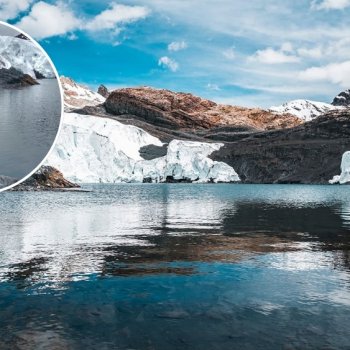
Huaraz: Adventure and Nature in the Heart of the White Mountain Range
If you are looking for a destination in Peru that combines adventure, nature, and culture, Huaraz is a perfect choice. Located in the Ancash region, this city is the gateway to the majestic White Mountain Range and Huascarán National Park, offering impressive landscapes, intensely colored lagoons, and opportunities for trekking and climbing enthusiasts. Why Visit Huaraz? Huaraz is an ideal destination for those who enjoy nature and ecotourism. Its imposing snow-capped mountains, green valleys, and turquoise waters lagoons make it a perfect place to disconnect from the city noise and connect with the beauty of the Peruvian Andes. Must-See Places in Huaraz 1. Lake 69 Located at 4,600 meters above sea level, this intensely blue lagoon is one of the most visited by tourists and hikers. The hike to reach it takes approximately 3 hours and offers spectacular views of the Huascarán, Pisco, and Chacraraju snow-capped mountains. 2. Pastoruri Glacier If you want to see a glacier up close, Pastoruri Glacier is an excellent option. It is located at 5,240 meters above sea level and is easily accessible. Along the way, you can see the famous Raimondi puyas, one of the most unique plants in the Andes. 3. Chavín de Huántar This archaeological site, declared a UNESCO World Heritage Site, was the center of the Chavín culture and dates back more than 3,000 years. Its impressive architecture and mysterious underground passageways make it a must-visit for history lovers. 4. Monterrey Hot Springs After a day of hiking and exploring, there is nothing better than relaxing in the hot springs of Monterrey. They are located just 7 km from Huaraz and are known for their medicinal properties. When to Visit Huaraz? The best time to travel is between May and September, when the weather is dry and the sky is clear, allowing you to fully enjoy the landscapes and go trekking without complications. Tips for Your Trip: Bring warm clothing, as temperatures can drop considerably. Acclimatize before embarking on demanding hikes to avoid altitude sickness. Hire a guide for more demanding excursions and enjoy the experience safely. Huaraz is a fascinating destination that captivates every visitor with its dreamy landscapes and rich history. If you are planning your next adventure, do not hesitate to include this Peruvian gem on your list. Pack your backpack and discover the magic of the Andes!
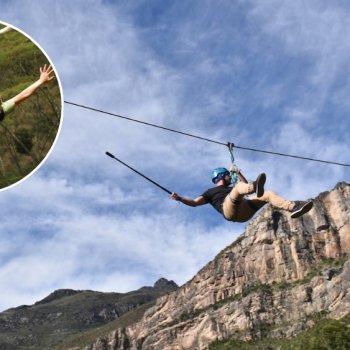
Adventures in the Peruvian highlands: the best places for canopying
The Peruvian highlands are an ideal destination for adrenaline junkies and outdoor enthusiasts. Among its mountains and valleys are some of the best canopy routes in the country, offering breathtaking views and the unique sensation of flying over natural landscapes. If you're looking to defy gravity and enjoy a different adventure, here are the best places for canopy in the Peruvian highlands. Canopy in Arequipa: excitement in volcanic landscapes The Colca Canyon, in Arequipa, is famous not only for its depths and the majesty of the Andean condors, but also for its canopy routes. The Canopy in Colca allows you to slide at high speed over impressive landscapes, offering a unique view of the canyon. This activity is ideal for those seeking a mix of excitement and contact with nature. Additionally, after the adventure, you can visit the nearby hot springs to relax and enjoy the surroundings. Canopy in Cusco: adventure over the Sacred Valley The Sacred Valley of the Incas, in Cusco, is one of the best destinations for canopy lovers. In this area, the circuits allow you to slide on cables of great length while enjoying an unparalleled view of the Andean landscapes. One of the most outstanding routes is Cachimayo, where adventurers can launch from over 200 meters high and feel the thrill of flying over the fields and mountains of Cusco. Canopy in Cajamarca: over green valleys and crystal-clear rivers In the northern highlands of Peru, Cajamarca hosts one of the most interesting routes: Canopy in Sulluscocha. This circuit offers a flight over a beautiful landscape of high Andean lagoons and meadows, providing a unique experience in contact with nature. The combination of speed, height, and spectacular views make this destination a must-visit for those exploring Cajamarca. Additionally, the region offers various options for cultural and gastronomic tourism to complement the experience. Canopy in Huaraz: over the Andes and crystal-clear lagoons Huaraz, known as the mountaineering capital of Peru, offers canopy circuits with spectacular views of the White Mountain Range. In places like Carhuaz, visitors can slide at high speed while observing imposing snow-capped peaks and turquoise waters lagoons. This experience combines the thrill of extreme sports with the unique beauty of the Andean landscape. Tips to make the most of canopy in the Peruvian highlands Choose comfortable and light clothing, preferably long-sleeved to protect yourself from the wind and cold. Use appropriate footwear, such as sneakers with good traction for walking on uneven terrain. Make sure the safety equipment is in good condition, always following the guides' instructions. Bring a sports camera, to capture the best views from the heights. Check the weather conditions before your trip, as the weather in the highlands can change rapidly. The Peruvian highlands offer a perfect combination of adventure and breathtaking landscapes, making it an ideal destination for thrill-seekers. If you're ready to elevate your adventurous spirit, these canopy routes will provide you with an unforgettable experience over the majestic Andes.
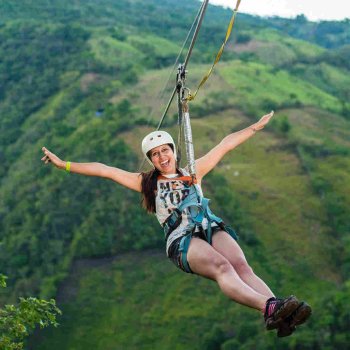
Complete guide to practicing canopy: Tips for beginners and experts
Canopy is an exciting outdoor activity that allows people to glide through the treetops, enjoying stunning views and a good dose of adrenaline and adventure. Whether you are a beginner or an experienced enthusiast, it is important to consider certain aspects to ensure a safe and enjoyable experience. Below, we present a guide divided into basic and advanced levels so you can make the most of canopy. Basic Level: Tips for Beginners Source: Recorrido Blog 1. Choose a Reliable Operator Reputation: Research the operator's reputation by looking for online reviews on sites like TripAdvisor and Google Reviews, and seeking recommendations from other travelers. Certifications: Ensure that the operator has recognized safety certifications, such as those from the Association for Challenge Course Technology (ACCT) or the International Adventure Park Association (IAPA). Equipment Inspection: Verify that the equipment used is modern and well-maintained. Inquire about the frequency of safety inspections. 2. Use the Right Gear Harness: It should fit your body correctly, neither too tight nor too loose. A well-fitted harness will provide stability and safety. Helmet: It should adequately protect your head and be snug to prevent movement during the ride. Gloves: Ensure they are durable and provide a good grip. Inquire if the gloves have padding in friction areas. Pulleys: Pulleys should be checked by staff before each use to ensure they function properly and show no signs of wear. Source: Samary Spa Resort 3. Follow the Guide's Instructions Participate in the safety briefing before starting. Listen carefully to instructions on how to brake, maintain the correct posture, and what to do in case of an emergency. Learn and follow the manual or verbal signals that guides use to communicate during the ride. If possible, practice on a short zipline or a test section before the main ride. 4. Appropriate Attire Clothing: Wear comfortable, fitted clothing that allows easy movement. Avoid loose or dangling garments that could get caught. Footwear: Opt for closed-toe shoes with good traction, such as trekking or athletic shoes. Ensure they are properly fitted to prevent twists. Weather: Bring a light or waterproof jacket if the weather is variable. Also, consider thermal clothing if temperatures are low. 5. Physical Conditions Weight and Height: Inquire with the operator about weight and height limits. Many operators have restrictions to ensure the safety of all participants. General Health: Inform guides about any medical conditions, such as heart problems, vertigo, or recent injuries. Ensure it is safe for you to engage in the activity. Advanced Level: Tips for Experts Source: Ponderosa Costa Rica 1. Evaluate New Locations Terrain Diversity: Look for locations with different terrains and difficulty levels to challenge yourself. Consider places with multiple lines and platforms. Height and Length: Research the heights and lengths of the ziplines. Opt for longer and higher routes for a more thrilling experience. Natural Environment: Choose places with spectacular landscapes, such as tropical forests, mountains, or canyons, to enjoy breathtaking views while gliding. 2. Enhance Control Techniques Controlled Braking: Practice braking techniques using gloves with reinforced palms and learn to apply the right pressure to stop smoothly. Posture: Maintain an aerodynamic posture with slightly bent legs and aligned body. This will help you maintain balance and speed. Direction Change: Learn to turn your body using hips and shoulders to adjust your direction while gliding. 3. Training and Physical Fitness Strength Exercises: Incorporate strength exercises like push-ups, pull-ups, and weightlifting to strengthen core and upper body muscles. Cardio: Improve your cardiovascular endurance with activities like running, swimming, or cycling. This will help you maintain energy during long rides. Flexibility: Practice regular stretching and yoga to enhance flexibility and reduce the risk of injuries. Source: Puntzan Canopy 4. Personalized Equipment Customized Harness: Consider investing in an adjustable, padded harness that offers greater comfort and support. Professional Gloves: Use gloves specifically designed for canopy with additional padding and durable materials. Advanced Pulleys: Research high-end pulleys that offer smoother and more durable performance. Consider those with automatic brakes. 5. Participate in Courses and Certifications Advanced Courses: Enroll in advanced canopy courses covering rescue techniques, safety, and emergency management. These courses will help you develop critical skills and in-depth knowledge. International Certifications: Obtain certifications recognized by organizations like ACCT (Association for Challenge Course Technology) or IAPA (International Adventure Park Association). These certifications allow you to demonstrate your competence and credentials in the canopy field. Source: Ayacucho Travel Agency General Recommendations Safety First: Regardless of your level, safety should always be the priority. Conduct a safety check before each activity and avoid unnecessary risks. Respect for Nature: Enjoy the natural beauty around you and make sure not to leave waste or harm the environment. Stay Calm: Canopy can be an intense experience. Stay calm and enjoy the ride, knowing you are well-prepared and equipped. Enjoy and Share: Canopy is an activity to be enjoyed. Share the experience with friends and family, creating unforgettable memories. Canopy is an exciting and accessible activity for everyone, from beginners to experts. By following these tips and preparing properly, you can ensure a safe and fun experience. Whether you are gliding on your first zipline or exploring new heights and challenges, canopy offers a unique way to connect with nature and experience adrenaline to the fullest.
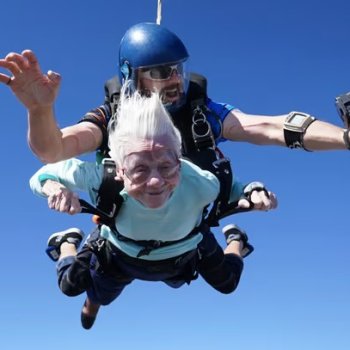
Meet this woman who went skydiving at 104 years old!
Hoffner spent 7 minutes in the sky. Dorothy Hoffner, a 104-year-old woman from Chicago, left her walker on the ground to do a tandem skydiving jump from 13,500 feet in northern Illinois, hoping to be recognized as the oldest person to skydive by the end of 2023. "Age is just a number," Hoffner expressed to a crowd that cheered her after landing at Skydive Chicago in Ottawa, about 85 miles southwest of Chicago. The current world record for the oldest skydiver was set in May 2022 by Linnéa Ingegärd Larsson from Sweden at 103 years old. However, Skydive Chicago made every effort to have Hoffner's jump certified as a new record by Guinness World Records, unfortunately she passed away months later without being recognized. Hoffner walks to the plane accompanied by professional Derek Baxter. Photo: Brian Cassella Hoffner, who did her first skydive at 100 years old, left her walker just before boarding the Skyvan plane and was assisted up the steps to join others waiting inside to jump. "Let's go, Geronimo!", Hoffner exclaimed after finally being seated. Hoffner enjoying the sport. Photo: Brian Cassel Unlike her first jump, where she had to be pushed out of the plane, this time, secured to a certified instructor from the US Parachute Association, Hoffner insisted on leading the jump from 13,500 feet. With evident calm and confidence, Hoffner executed a perfect forward somersault in the sky before stabilizing in free fall with her belly towards the ground. The jump lasted seven minutes, including the slow descent of her parachute to the ground. Hoffner greets the crowd after a successful landing. Photo: Brian Cassella Friends rushed to congratulate her, while someone brought her red walker. She quickly stood up and when asked how it felt to be back on the ground, she replied: "Wonderful. Up there was wonderful. It couldn't have been better." After her jump, Hoffner was already thinking about the future and other challenges. The woman, who turned 105 in December and has lived her whole life in Chicago, said she wanted to try a hot air balloon ride. "I've never been on one of those," she remarked. Just like her, dare to practice sports that challenge your fears, it's an experience you won't forget in life; we recommend paragliding, as it is similar to the one described in this article.
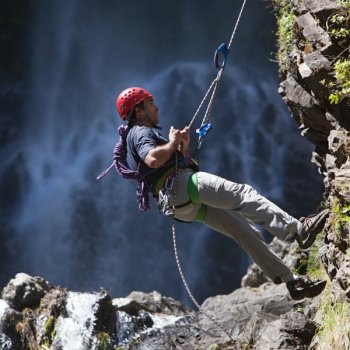
This is what you need to know before practicing Rappelling (The last one is the most important)
Rappelling is an adventure activity that involves descending a vertical wall with the help of a rope and a harness. It is a way to explore natural places in a different and fun way, but it also requires some preparation and caution. If you already have experience in rappelling, here are some tips and tricks that can help you improve your technique and enjoy this activity even more. Vary the type of rappelling: There are different modalities of rappelling, depending on the type of wall, the inclination, the height, the environment, etc. You can practice rappelling on rock, ice, waterfalls, caves, bridges, buildings, etc. Each of these options offers you a different challenge and a unique sensation. We recommend trying different types of rappelling to expand your skills and your enjoyment. Source: Roll and Feel By Smoking - Smoking Paper Improve your body position: The position you adopt when rappelling is crucial to control the descent, avoid injuries, and enjoy the scenery. The ideal position allows you to maintain balance, stability, and visibility. Some tips to improve your position include: keeping your back straight, slightly bending your knees, separating your feet shoulder-width apart, pressing your feet against the wall, holding the rope with both hands, one above and one below the descender, and looking down to see the route. Source: Desbravandorio Learn to overcome obstacles: In rappelling, you may encounter obstacles that hinder or prevent the descent, such as protrusions, cracks, vegetation, etc. To overcome them, you need to know how to change position, how to release the rope, how to use the anchor sling, how to tie emergency knots, etc. These techniques will allow you to navigate obstacles safely and efficiently. Source: Manuel Suárez Practice self-rescue: Rappelling is an activity that involves certain risks, so you must be prepared to face possible emergency situations, such as getting stuck, falling, losing the descender, etc. To do this, you need to learn how to perform self-rescue, which involves freeing yourself from the rappelling system and ascending the rope to a safe point. For self-rescue, you need a cord to make a self-locking knot, such as the prusik or machard, to allow you to ascend the rope, and a locking carabiner to secure yourself to the anchor. Source: Perú Travel Gear In addition to the basic equipment you need for rappelling, such as the harness, descender, rope, carabiner, anchor, helmet, and gloves, there are other implements that can be useful if you already have experience in this activity: Source: Barrabes Anchor sling or anchor leg: It is a rope or strap used to connect the harness to the anchor, allowing you to be secured to the rappelling system while preparing to descend. It is recommended for use in exposed places or places at risk of falling. Cord for prusik or machard: It is a thin rope used to make a self-locking knot, allowing you to ascend or descend the main rope. It is very useful for self-rescue, overcoming obstacles, or regulating descent speed. Sewn sling: It is a flat strap used to make a closed loop with a knot, allowing you to connect the harness to the descender, carabiner, or anchor. It is lighter and more flexible than a rope and can be used to make emergency knots. Auto-blocking descender: It is a device that allows you to control the descent on the rope and automatically locks if you release the rope or if there is a fall. It has a descent lever, an anti-panic system, and an error lock. It is the safest and most comfortable descender for rappelling, especially for beginners or long descents. I hope this article has been helpful to you. By following these tips and tricks, you will be able to practice rappelling more safely and effectively. Enjoy rappelling!
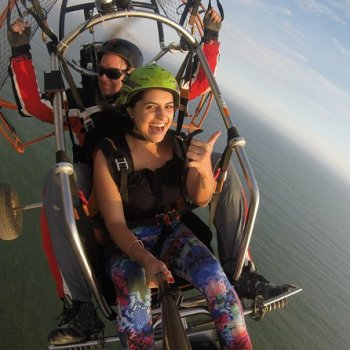
Follow these tips to start paragliding successfully.
Are you ready to raise your adrenaline levels and immerse yourself in the exciting world of adventure sports? In this article, we will explore one of the most thrilling sports: paragliding. If you have ever dreamed of soaring the skies and feeling absolute freedom, paragliding is the perfect choice. Join us as we offer valuable tips to start your exciting journey towards free flight. 1. Choosing the Location: Find Your Aerial Paradise Before spreading your wings, research and choose a suitable location for paragliding. Look for areas with stable weather conditions and favorable winds. Places with beautiful landscapes will add an extra touch of magic to your experience. Some popular destinations include mountains, coastal cliffs, and scenic valleys. Photo: My Guide Peru 2. Training: Investing in Your Safety Before taking off, it is essential to receive training from certified professionals. Look for paragliding schools with experienced instructors and recognized certifications. Learning the proper techniques for takeoff, flight, and landing will give you the necessary confidence to fully enjoy this unique experience. 3. Quality Equipment: Your Confidence in the Wings Investing in quality paragliding equipment is crucial. Consult with experts to choose the right equipment based on your skill level and preferences. Make sure to have a functional reserve parachute, helmet, harness, and other safety accessories. The reliability of the equipment is key to a successful and safe paragliding experience. Photo: Parapente Good Fly 4. Weather Conditions: The Key to Successful Flight Paragliding heavily depends on weather conditions. Before taking off, check the weather forecast and wind conditions. Avoid flying on days with strong winds or unpredictable gusts. Patience is crucial: wait for the right moment to ensure a smooth and controlled flight. 5. Understanding Takeoff Technique: The First Step to the Sky Takeoff is a crucial and exciting moment. Follow your instructor's instructions and practice takeoff technique on flat terrain before attempting more challenging flights. A smooth takeoff sets the foundation for a more enjoyable flight experience. Photo: Sierra Norte de Madrid 6. Maintain a Positive Mental Attitude: Fly with Confidence Paragliding is not just a physical challenge but also a mental one. Maintain a positive attitude and trust in your training and equipment. Control fear and enjoy the breathtaking panorama unfolding before you. A positive mental attitude will significantly contribute to your ability to master this exciting adventure sport. 7. Networking and Community: Share Your Passion Join local paragliding communities or seek online groups. Sharing experiences and tips with other enthusiasts will help you expand your knowledge and build valuable connections. The paragliding community is passionate and supportive, so don't hesitate to immerse yourself in it! Paragliding is not just an adventure sport; it is a gateway to a new dimension of freedom and excitement. By following these tips, you will be better prepared to take off and enjoy an unforgettable paragliding experience. May the winds guide you to new heights! Photo: Sierra Norte de Madrid
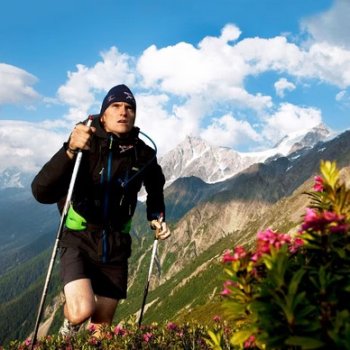
Hike Safely: Tips to Improve Your Performance This Summer
Today, our specialist shares wise suggestions for those adventurers planning to explore the hills of Latin America during the high-temperature season expected in the summer of 2024. With the thermometer threatening to exceed 35°C, it is crucial to take additional precautions to ensure a safe and enjoyable hiking experience. Source: El Confidencial Hiking in Hot Weather: A Refreshing Sport:Hiking is highlighted as an excellent option to enjoy after work or during the weekend. However, caution is advised to take additional precautions, as high temperatures can become a challenge for enthusiasts of this sport. Key Tips to Avoid Setbacks: Source: La Sexta Route Planning:Before venturing into the mountains, it is essential to plan the route. Alonso suggests estimating the time, altitude, and distance, and recommends using smartphone apps and smartwatches to download the route and avoid getting lost. Supply Management:An accurate estimation of the amount of water and food is crucial. For short walks, a water bottle and a cereal bar are sufficient, but for longer treks, it is advisable to carry at least 500 ml of water per hour, adjusting according to the activity's intensity. Additionally, it is recommended to bring foods such as fruits or bread to maintain stable energy levels. UV-Filter Clothing:For longer trails, the use of clothing with UV filters, which repel sunlight, is suggested. Comfort is key, so opting for breathable and moisture-wicking materials is advised. Venturing Accompanied:Avoiding exploring the mountain alone is a vital rule. The importance of going accompanied and informing someone about the excursion, including the departure time and an estimated return time, is emphasized. Source: Architectural Digest Mexico and Latin America Importance of Personal Care:Alonso Niklitschek emphasizes the need to regularly apply sunscreen, wear sunglasses, and carry a hat to protect the most sensitive areas of the body from sun exposure.
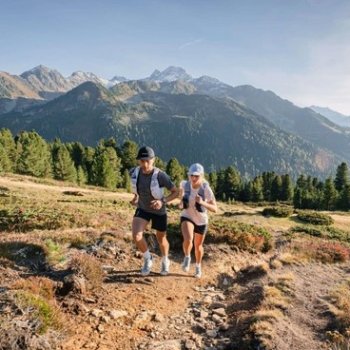
How to Prepare Your Body for Trail Running: Tips to Optimize Your Performance
Our body adapts to our routines, but there are ways to optimize its performance, especially if you are looking to venture into the world of trail running. Properly preparing your body is key to achieving maximum performance and enjoying these activities to the fullest. Planning and Clear Goals Before starting any training program, it is crucial to establish clear goals for your race. Are you training for a competition or simply looking to improve your endurance? Defining your goals will allow you to adapt your training and physical preparation efficiently and reach the set target. General Physical Conditioning Before embarking on a trail running training, it is important to have a base of general physical conditioning. Incorporate resistance and muscle strength exercises to prevent injuries and improve your performance. Working on your core, legs, and arms will provide you with the necessary strength to maintain good posture and avoid premature fatigue during your race. Gradual Cardiovascular Training Gradually increasing the intensity and duration of your workouts is essential to avoid overload injuries. Start with short and low-intensity sessions, gradually increasing the distance and speed. Integrating interval sessions and runs at different paces can improve your cardiovascular endurance and increase your speed. Nutrition and Hydration A balanced diet and adequate hydration are fundamental to optimizing performance in your activity. Consume healthy carbohydrates to provide energy to your muscles and proteins for recovery. Make sure to be well hydrated before, during, and after your sessions, especially in warm climates. Rest and Recovery Rest is as important as training. Give your muscles the necessary time to recover and strengthen. Incorporate rest days into your training plan and consider recovery activities, such as stretching and yoga, to maintain flexibility and prevent injuries. Appropriate Clothing and Footwear Using appropriate clothing and footwear makes a difference in your comfort and performance. Opt for breathable clothing that wicks moisture to keep you cool. Choose shoes designed for your type of stride that provide support and cushioning. Among the appropriate accessories for practicing this sport are: -Footwear: Shoes, Your Best Ally The right footwear is key for trail running. You should never venture into the mountains with road running shoes. The choice of your shoes will depend on the terrain and distance you plan to cover. Safety is the priority when it comes to this essential element. There are four main types of shoes, each designed for different distances and terrains: Shoes for Cross and Vertical Race Shoes for Half Marathon Shoes for Marathon Shoe for Ultra Distance Remember the golden rule: this is a one-way ladder. You can run shorter distances with shoes designed for ultras, but not the other way around. Safety in the mountains is the priority, and the choice of footwear plays a crucial role in this. -Technical Clothing: Preparing for Changing Conditions Technical clothing for trail running has similarities to that used in urban races, but in the mountains, we must consider external factors such as abrupt weather changes, extreme cold or heat, rain, hail, and snow. The key is to be mindful of how we dress, as in the mountains these factors can arise in places far from shelter. Consult specific articles on how to choose your clothing and compression garments for mountain running. Also, do not forget essential accessories such as hats and gloves. -Backpacks, Load Vests, and Waist Packs: Your Backup The mountain can present unforeseen circumstances, and carrying the necessary equipment is essential for safety. Evaluate what gear you need to ensure your safety according to the location, type of terrain, distance, weather conditions, and time of year. Then, choose a backpack or waist pack that suits your needs. Never choose the backpack based solely on weight, eliminating essential elements of warmth and safety. Safety should always be the priority. Glasses are also used because solar radiation, snow, wind, can intensely damage our eyes. With different types of protection, this is essential to be able to face them. Running Technique A proper running technique is essential for efficiency and injury prevention. Maintain an upright posture, relaxed shoulders, and arms at a 90-degree angle. Land with your foot in the middle and roll towards the toes instead of landing on the heel. Optimizing your body for trail running involves a smart focus on training, nutrition, and personal care. By setting clear goals, following a training plan, maintaining a balanced diet, and prioritizing rest, you will be on the path to achieving optimal performance in your outdoor activities. Always listen to your body and adjust your approach as needed to fully enjoy and stay healthy.
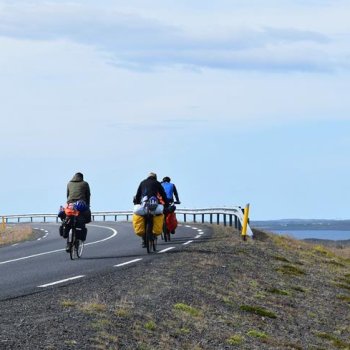
Discover the 8 best routes in the world for cycling
Only for adventurers! The routes for cycling offer a unique experience by combining physical challenges with the exploration of stunning landscapes around the world. From winding roads to mountain trails and picturesque coasts, there are iconic routes that captivate adventurous cyclists. That's why we have compiled for you some of the best cycling routes in the world: 1. California Coast Route, United States Travel along the iconic Pacific coast in California. From San Francisco to Los Angeles, this route offers panoramic views of the ocean, picturesque coastal towns, and challenging climbs that lead to magnificent descents. 2. Dolomites Route, Italy The Dolomites in northern Italy offer some of the most spectacular alpine landscapes in the world. The winding roads surrounded by imposing peaks and green meadows provide a unique challenge for cyclists. 3. Death Road, Bolivia Known as one of the most dangerous routes, this road offers adventurous cyclists an exciting experience. Descend from La Paz to the rainforest, providing stunning views and a dose of adrenaline. 4. Silk Road, Central Asia This historic trade route has become a popular cycling destination. From Turkey to China, cyclists can explore a variety of landscapes, cultures, and challenging terrains along thousands of kilometers. 5. Atlantic Coast Route, Portugal Travel along the Portuguese Atlantic coast, from Porto to Lisbon, and admire stunning cliffs, golden beaches, and charming fishing villages on this scenic coastal route. 6. Andes Route, South America Crossing several South American countries, such as Argentina, Chile, and Ecuador, exploring the majesty of the Andes. The extreme altitudes and imposing landscapes make this route a challenging and unique adventure. 7. EuroVelo 6, Europe This transcontinental route crosses ten European countries, following the Rhine, Main, and Danube rivers. It offers a diverse experience, from historic cities to picturesque natural landscapes. 8. North Island Route, New Zealand Venture through the spectacular landscapes of New Zealand, traveling the North Island. Experience the natural beauty of mountains, lakes, and forests on one of the most scenic routes in the world. These routes are just a sample of the numerous options available for cycling enthusiasts around the world. Each one offers a unique and challenging experience, allowing cyclists to explore beautiful landscapes, discover new cultures, and, above all, enjoy the freedom and excitement of traveling the world on two wheels.
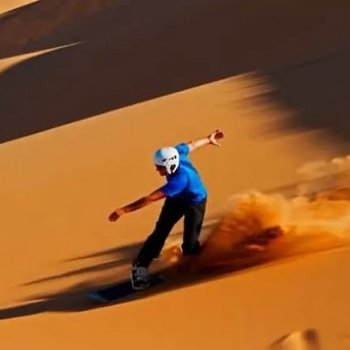
Extreme Adventure: Discover the Longest Routes for Sandboarding
Sandboarding, an exciting activity that combines the adrenaline of snowboarding with the majesty of sand dunes, is ideal for those seeking extreme thrills in stunning natural environments. In this article, we will explore the longest and most thrilling routes for sandboarding, allowing you to slide down the dunes for astonishing distances. 1. Namib Dunes Route, Namibia: Namibia is a paradise for sandboarding enthusiasts, and the dunes route in this African country is one of the longest and most challenging. The dunes in Namibia are some of the highest in the world, and the Dunes Route, which stretches through the Namib Desert, offers thrilling descents along kilometers of dunes. The stunning natural beauty of the Namib Desert provides a unique backdrop for this sandboarding experience. 2. Glamis Dunes, California, USA: In the California desert, the Glamis Dunes offer one of the longest sandboarding routes in the United States. The dunes stretch for 45 miles and provide the opportunity to cover impressive distances amidst the desert landscape. The sensation of sliding down the sand in the midst of these giant dunes is unparalleled. 3. Ica Dunes Route, Peru: In the Ica desert, Peru, you will find the Dunes Route, which extends through a series of impressive sand dunes. This route offers thrilling descents and opportunities to practice sandboarding over long distances. Additionally, the proximity to the city of Huacachina allows you to enjoy the comfort of an oasis in the middle of the desert. 4. Stockton Beach Dunes, Australia: The dunes of Stockton Beach, in New South Wales, Australia, are some of the longest in the country. With over 32 kilometers of sand dunes, this place offers an exciting sandboarding experience along stunning coastal landscapes. You can cover extensive distances while enjoying the natural beauty of the region. 5. Lancelin Dunes, Australia: Another Australian destination, the Lancelin dunes, offer sandboarding routes of great length. These rolling and extensive dunes allow you to cover considerable distances while sliding through the sand. Additionally, the views of the Indian Ocean make this experience even more spectacular. Tips for Making the Most of Sandboarding Routes: Protective Gear: Make sure to use a helmet, protective goggles, and sunscreen to ensure your safety. Physical Condition: Sandboarding can be physically demanding. Maintain good physical condition to enjoy long routes. Local Instructions: If you are new to sandboarding, consider taking a lesson with a local instructor to learn the proper techniques. Respect for the Environment: Always respect the natural environment and follow local regulations to preserve these beautiful landscapes. Long sandboarding routes will provide you with an exciting adventure amidst stunning desert landscapes. Whether in the dunes of Namibia, the California desert, or the coastal landscapes of Australia, these routes offer you the opportunity to slide through the sand for impressive distances. Get ready for an exhilarating sandboarding experience on your next adventure.
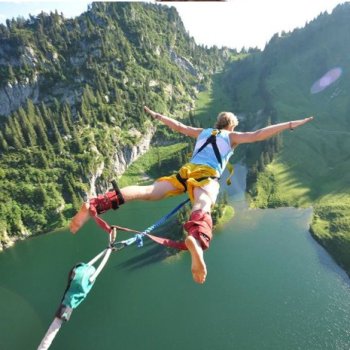
The highest bungee jumps in the world: Jumping into the extreme abyss
Bungee jumping, or bungee jumping, is one of the most exciting and challenging extreme activities out there. This pure adrenaline experience involves launching oneself from a great height with an elastic cord tied to the ankles, allowing adventurers to free fall before being stopped at the last moment by the bungee cord. For those seeking thrills, jumping from a high bridge can be an unforgettable experience. In this article, we will explore some of the world's highest bridges from which adrenaline junkies can enjoy this extreme experience. Macau Tower, ChinaThe Macau Tower, located in the Macao Special Administrative Region of China, is one of the most iconic destinations for bungee jumping enthusiasts. Standing at approximately 233 meters high, jumping from this iconic skyscraper provides a spectacular view of the city and the surrounding landscape. Here, adventurers can experience a vertigo-inducing free fall before being rescued by the bungee cord. Bloukrans Bridge, South AfricaThe Bloukrans Bridge in South Africa is famous for being the highest bungee jumping bridge in the world. With an impressive height of 216 meters, it offers jumpers an exhilarating opportunity for an intense free fall. The bridge spans the Bloukrans River and is located in the heart of a beautiful natural region. In addition to the thrill of the jump, adventurers can enjoy panoramic views of the surrounding landscape. Verzasca Dam, SwitzerlandThe Verzasca Dam in Switzerland is another internationally renowned bungee jumping destination. This stunning jump is made from a concrete dam that stands at approximately 220 meters high. What makes this place even more special is the crystal-clear water below, creating a visually stunning and thrilling environment for jumpers. The sensation of flying over the turquoise blue water is truly unique. Nevis Highwire Bungy, New ZealandNew Zealand is known for its love of outdoor and extreme activities, and the Nevis Highwire Bungy is a perfect example of this. Located in the heart of Queenstown's natural beauty, this bridge offers a jump from a suspended platform at 134 meters above the Nevis Canyon. The feeling of being in the midst of a spectacular mountain landscape while experiencing a free fall is unforgettable. The Last Resort Bungy, NepalFor those seeking a truly unique experience, bungee jumping at The Last Resort in Nepal is an intriguing choice. Located in a deep canyon near the border between Nepal and Tibet, it offers a jump from a height of 160 meters over the Bhote Kosi River. The combination of stunning landscapes and the experience of launching from a bridge in the midst of nature makes it a magical place for bungee jumping enthusiasts. Bungee jumping is an extreme activity that allows adventurers to experience pure adrenaline by launching themselves from dizzying heights. The bridges mentioned above are some of the most thrilling destinations in the world to practice this extreme activity. Each of these places offers a unique combination of excitement, natural beauty, and an unforgettable experience. If you're looking for a dose of adrenaline and the opportunity to enjoy stunning panoramic views, these bridges offer an experience you will never forget. So get ready to leap into the abyss and live the adventure of a lifetime!
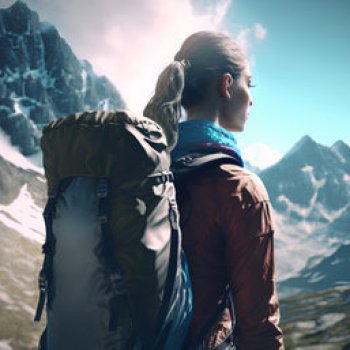
How to pack your backpack for a trip?: Lessons from a decade of adventures
Traveling is a passion that has led many people to explore the world, discover new cultures, and experience the freedom that only the road can provide. For backpacking enthusiasts, the ability to pack efficiently is essential to stay comfortable and safe on their adventures, such as going trail running, trekking, rappelling, among others. With over a decade of experience traveling the world, I have learned some valuable lessons on how to pack a backpack for a trip without suffering the consequences of excessive weight. In this article, I will share with you my accumulated wisdom over the years. Step 1: Choose the Right Backpack The first step to a successful backpacking experience is choosing the right backpack for your trip. It is important to consider your physical health, as everything you carry in your backpack you will have to carry with you. Consider two key factors when selecting your backpack: Size: A backpack's capacity is measured in liters and should suit the duration of your trip and your physique. For long trips of several months, a 50 to 60-liter backpack is suitable. However, bear in mind that carrying very large backpacks can lead to back problems. A good tip is that the part of the backpack that rests on your back should not be longer than your torso, measured from the base of the neck to the waist. For shorter trips, especially to warm destinations, a 35 to 40-liter backpack is ideal and, in most airlines, can be carried as carry-on luggage. Backpack Quality: The quality of your backpack is crucial. For long trips, consider investing in a good quality backpack. It should be durable, waterproof, and comfortable to carry. Buying a poor quality backpack can result in an uncomfortable experience and the need to replace it during the trip. Step 2: What to Pack in Your Backpack? The contents of your backpack will largely depend on the type of trip you will be taking. You should tailor your luggage to the destination, climate, and planned activities. When packing, it is important to make a distinction between what you "want" to bring and what you "need." Here are some tips on what to consider: Want vs. Need: Before packing, lay out everything you plan to bring on the bed and ask yourself: "Do I want it or do I need it?". This question will help you significantly reduce the amount of unnecessary items in your backpack. Clothing: Estimate clothing as if the trip lasted only a week. Opt for clothes that dry quickly, are wrinkle-resistant, and have no high sentimental value. Thermal shirts are ideal for cold climates, as they are lightweight and warm. Footwear: Bring two types of footwear: versatile sneakers and comfortable sandals. Choose sneakers according to the climate of your destination and select sandals with good grip and a sturdy sole if you plan to walk a lot. First Aid Kit: Include a basic first aid kit with band-aids, gauze, antiseptic, sunscreen, and any prescribed medication you may need. The rest can be purchased at the destination if necessary. Multi-Tool Knife: A multi-tool knife is an invaluable tool on your travels. It offers multiple functions in a compact space and is essential for many situations. Other Items: Consider bringing a rain jacket, a padlock, a small tarp (for sitting on the beach or covering yourself in cultural places), and a universal adapter if you are traveling to multiple countries. Step 3: How to Load the Backpack How you load your backpack is as important as what you carry in it. Follow these tips to load it properly: Place the heaviest items at the bottom of the backpack to maintain stability. Do not put anything uncomfortable against your back. Items you use frequently should be within reach at the top or in easily accessible pockets. If you carry liquids, store them in a waterproof bag separate from your clothes. Use a waterproof cover to protect your backpack during transfers. Make sure to adjust all straps and buckles so the backpack fits your body. By following these tips, you will be able to pack your backpack efficiently and enjoy your travels comfortably. The experience of traveling as a backpacker can enrich your life, allowing you to explore new places and meet different cultures. If you wish to venture further, consider participating in work exchanges or volunteering, an economical and enriching way to explore the world. Have a great trip!
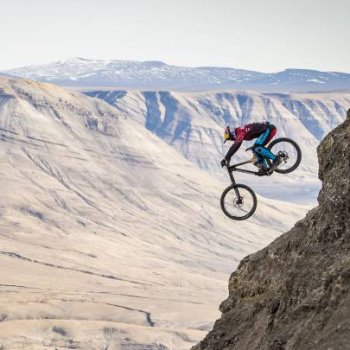
Movies about adventure sports: The adrenaline on the big screen!
Movies are a window to the imagination, an opportunity to experience emotions and adventures through fascinating characters and plots. And when it comes to adventure sports, the big screen becomes the perfect medium to immerse oneself in the vertigo, excitement, and intensity that these extreme challenges offer. From imposing mountains to giant waves and unexplored natural settings, adventure sports films allow us to explore the limits of human endurance and the passion for adrenaline. These films not only entertain but also inspire audiences to embark on their own adventures, whether it's climbing a mountain, surfing a giant wave, or exploring deep forests. Although these are no longer in the movie listings, here we also indicate where you can watch them. 1. 'Free Solo' (2018): A documentary that follows the world's most successful climber, Alex Honnold, as he attempts to climb El Capitan (975 meters) without ropes or safety harnesses, an extremely risky feat. Available on Disney+. 2. 'Chasing Niagara' (2015): An adrenaline-filled special that follows Mexican Rafa Ortiz as he trains to become the first kayaker to drop down Niagara Falls. Available on Amazon Prime. 3. 'Punto de Quiebre' (2015): An FBI agent infiltrates an elite group of athletes, surfers, suspected of stealing money and jewels that they then distribute among the poor. His superiors begin to think that the agent is getting too involved with his new friends and fear that his loyalty to the FBI is in jeopardy. Now on Netflix. 4. 'North of Nightfall' (2018): Cyclists embark on an expedition to the top of the world to explore trails on Axel Heiberg Island. Available on Amazon Prime. 5. 'The Dawn Wall' (2017): Presents an climbing odyssey that takes viewers to the dizzying heights of El Capitan in Yosemite National Park. Available on Amazon Prime. While adrenaline can take us to the most extreme places on Earth, it is also our duty to care for and protect these natural environments. These films provide us with a dose of excitement and courage in the comfort of movie theaters. They are reminders of the human capacity to overcome obstacles, as well as the wonder and fragility of our planet. The next time you sit in front of the big screen, get ready for a roller coaster of emotions.
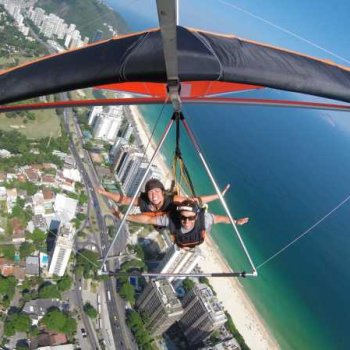
The Extreme Adventures of Río de Janeiro: Challenges and Fun
Rio de Janeiro, known for its stunning natural beauty and vibrant urban life, is a destination that offers a wide range of adventurous and exciting activities for adrenaline junkies. From extreme sports to boundary-pushing experiences, this Brazilian city has something for all adventurers. Below, we will explore some of the riskiest and most thrilling activities you can enjoy in this country. 1. Climbing at Pedra da Gávea: Pedra da Gávea is one of the city's most iconic rock formations. Climbing this imposing granite mountain is a challenging and thrilling experience. With the help of expert guides, climbers can enjoy spectacular panoramic views from the top. 2. Hang Gliding from Pedra Bonita: Hang gliding from the Pedra Bonita viewpoint offers a unique perspective of Rio de Janeiro. With the city at your feet and the coast on the horizon, this is an exhilarating sky ride for adventure lovers. Equally at Pepino Beach in São Conrado, as it is a popular take-off point for paragliding. Taking off from a cliff over the Atlantic Ocean and flying over the beaches and mountains of Rio is a thrilling and picturesque experience. 3. Surfing at Praia do Arpoador: Rio de Janeiro is famous for its beaches, and Praia do Arpoador is a standout spot for daring surfers. The powerful and challenging waves make this place a paradise for surf enthusiasts. 4. Hiking at Morro do Corcovado: Morro do Corcovado is home to the iconic Christ the Redeemer statue. The hike to the top through the rainforest is a challenge, but the reward is an unparalleled view of the city and the imposing Christ statue. 5. Climbing at Morro da Urca: Morro da Urca is the smaller sibling of Sugarloaf Mountain, but its climb is equally thrilling. Experience the sensation of being suspended between sky and earth as you scale this granite mountain. 6. Diving at Ilha Grande: A few hours from Rio, Ilha Grande offers diving opportunities in crystal-clear waters. Explore coral reefs, underwater caves, and the diverse marine life of the region. DCIM101GOPRO Before embarking on any of these thrilling adventures, it is essential to take safety precautions, follow the guidelines of professionals, and in many cases, have expert guides. Rio de Janeiro is a destination full of challenges and thrills for adventure lovers, and each experience offers the opportunity to explore the natural beauty of this unique city from a completely different perspective. Get ready for extreme adventure in the "Marvelous City"!

Christmas Gifts for Adventure Lovers: The Thrill of the Season!
The holiday season is just around the corner, and it's time to think about how to express your gratitude towards your clients, business partners, and employees. If your business is related to adventure sports, you have the perfect opportunity to give something exciting and personalized. In this note, we will explore some creative ideas for Christmas gifts that will make your recipients feel thrilled and valued. 1. Adventure Experiences:One of the best ways to gift excitement is by offering adventure experiences. Consider giving gift cards for activities such as rafting, hiking, climbing, ziplining, or even a weekend camping trip. These experiences are not only fun but also promote teamwork and connection with nature. 2. Personalized Sports Gear:For adventure enthusiasts, high-quality gear is essential. Think about gifting custom sports items like backpacks, jackets, caps, or t-shirts with your company logo. This will not only promote your brand but also help your recipients be ready for their next adventures. 3. Courses and Workshops:If you want to encourage learning and skill development, consider gifting enrollment in courses or workshops related to adventure sports. This can include rock climbing classes, GPS navigation, or wilderness first aid. 4. Adventure Magazine Subscriptions: An annual subscription to an adventure sports magazine is a gift that keeps on giving throughout the year. Recipients can stay updated on the latest trends, destinations, and gear, inspiring them to plan new adventures. 5. Eco-Friendly Products:If your audience values sustainability, consider gifting eco-friendly products related to adventure, such as reusable water bottles, sustainable camping utensils, or biodegradable personal care items. These gifts demonstrate your commitment to environmental responsibility. 6. Adventure Gear Gift Cards:For those who prefer to choose their own gear, gift cards for adventure gear stores are an excellent option. They allow recipients to select the products they like and need. Therefore, this year surprise your clients, business partners, and employees with corporate gifts that capture the essence of adventure sports. Whether through exciting experiences, personalized gear, or sustainable products, your holiday gesture will show your appreciation and strengthen business relationships while staying true to the passion for adventure you share.
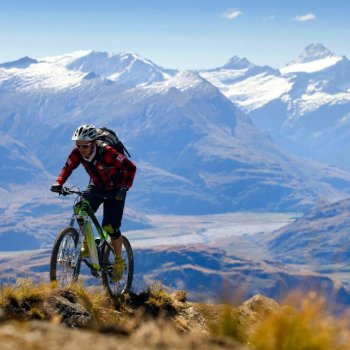
Discover Adventure in Queenstown, New Zealand: Camping and Mountain Biking
Queenstown, located on the South Island of New Zealand, is a paradise for adventure lovers. This beautiful corner of the world offers a unique combination of stunning natural landscapes and exciting outdoor activities. For those seeking an authentic camping and mountain biking experience, Queenstown is the ideal place. In this article, we will provide you with valuable recommendations to make the most of your camping and biking trip in Queenstown. Preparations for Camping in Queenstown: Book in Advance: Queenstown is a popular camping destination, so it's essential to book in advance, especially during the high season. Make sure to be aware of local camping regulations and respect them at all times. Camping Locations: Queenstown and its surroundings offer numerous camping options. Queenstown Lakeview Holiday Park and Twelve Mile Delta Campground are two popular choices that provide basic amenities and beautiful views. Essential Equipment: Pack your camping gear properly, including a sturdy tent, sleeping bags, cooking utensils, and provisions. The weather can be changeable, so be prepared for all conditions. Connect with Nature: Enjoy the natural beauty that Queenstown has to offer. Hike in the surroundings, explore the beaches of Lake Wakatipu, or simply relax by a campfire under a starry sky. Mountain Biking in Queenstown: Mountain Bike Rentals: Queenstown has several high-quality mountain bike rental shops. Make sure to choose a bike suitable for your skill level and the routes you plan to ride. Cycling Routes: Queenstown offers a wide variety of mountain biking trails for all levels. For beginners, the Queenstown Trail offers relatively flat and scenic terrain. For more experienced riders, Skyline Queenstown Bike Park offers thrilling and challenging descents. Safety: Safety is paramount when mountain biking. Be sure to wear a helmet, gloves, and appropriate protective gear. Familiarize yourself with local rules and be cautious when sharing trails with other users. Adventurous Exploration: Queenstown is known for its mountainous terrain, giving you the opportunity to explore trails with panoramic views and stunning landscapes. Some popular routes include Queenstown Bike Park, Ben Lomond Track, and Remarkables Park Mountain Bike Trails. Queenstown, New Zealand, is an exceptional destination for adventure enthusiasts. With proper planning and a spirit of exploration, you can enjoy the unique experience of camping in Queenstown's stunning nature and experience the thrill of mountain biking on its diverse trails. Get ready for an adventure you will never forget in this corner of paradise on New Zealand's South Island!
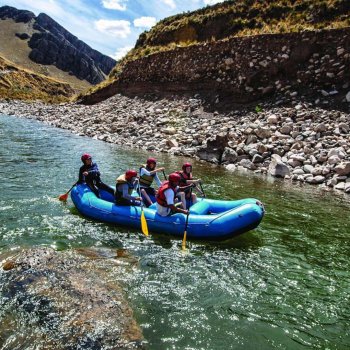
Extreme Peru: 4 Destinations for Adventure Sports Lovers
Peru, with its varied geography that ranges from imposing mountains to lush jungles and spectacular coasts, has become a top destination for lovers of extreme sports and adventure. If you're looking for an adrenaline rush in a stunning environment, here are four must-visit destinations for extreme sports in Peru: 1. Cusco and the Sacred Valley - Paragliding and Mountain Biking The Cusco region is famous for its historical and cultural heritage, but it also offers exciting opportunities for extreme sports. In the city of Cusco and its surroundings, such as Miraflores, you can enjoy paragliding. Soar through the skies above the city and admire panoramic views of Inca monuments and mountain landscapes. Additionally, the Sacred Valley offers thrilling mountain biking routes, where you can descend steep trails and cross impressive landscapes. 2. Lunahuaná - Rafting and Canoeing Located in the Cañete River Valley, Lunahuaná is an exciting destination for water lovers. Here you can practice rafting and canoeing on the Cañete River, which offers thrilling rapids and crystal-clear waters surrounded by beautiful scenery. Additionally, Lunahuaná is known for its vineyards and pisco production, so you can combine adventure with a tasting of this traditional Peruvian drink. 3. Huaraz - Ice Climbing and Hiking Huaraz, in the Áncash region, is known as the "Peruvian Switzerland" due to its mountainous landscape and impressive glaciers. This is a paradise for mountaineering and ice climbing enthusiasts. Huascarán National Park is a popular access point for these activities, where you'll find challenging peaks and ice walls. Additionally, the area offers some of the best hiking routes in the country, such as the famous Santa Cruz trek. 4. Iquitos - Canopy and Amazon Expeditions The city of Iquitos, in the Loreto Amazon region, offers unique adventure experiences in the tropical rainforest. You can do canopy or ziplining through the dense vegetation, gliding among the trees and enjoying panoramic views. You can also join expeditions in the Amazon, where you'll explore the unique flora and fauna of this region, as well as participate in exciting bird watching excursions and fishing in local rivers. These four destinations will immerse you in the excitement of extreme sports while surrounded by the natural beauty and diverse culture of Peru. Before embarking on your adventure, make sure to have experienced local guides and follow all necessary safety measures for a memorable and safe experience. Get ready for an unforgettable adventure in the heart of South America!
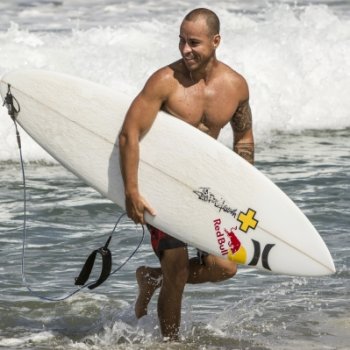
Carlos 'Coco' Nogales: The Surf Legend Who Challenges Giant Waves
The world of surfing has its heroes and legends, and among them stands out Carlos 'Coco' Nogales, a Mexican surfer who has conquered the most imposing waves on the planet. Coco Nogales is recognized not only for his skill in surfing, but also for his bravery in facing the gravity-defying giant waves. In this article, we will explore the life and achievements of Carlos 'Coco' Nogales, a true inspiration in the world of surfing. The Early Steps in Surfing Carlos 'Coco' Nogales was born in Mexico in 1981 and grew up near the sea in Puerto Escondido, Oaxaca. From a young age, Coco was drawn to the ocean and the waves. At the age of 12, he took his first surfboard and began mastering the local waves. This was the beginning of a passion that would lead him to explore the limits of surfing. Mastering Mexican Waves Coco Nogales has excelled in national and international competitions, earning the respect of the surfing community. He has been a national champion on several occasions and has made his mark on the beaches of Mexico, where challenging waves are his favorite playground. Big Wave Surfing: His Specialty What has truly catapulted Coco Nogales to fame is his ability to face giant waves. He has surfed at world-renowned spots like Puerto Escondido, Mavericks in California, and Jaws in Hawaii, where waves can exceed 50 feet in height. One of his most notable feats occurred in 2015 in Puerto Escondido, when he surfed a massive wave that was considered one of the biggest ever surfed in Mexico. This achievement not only made him a legend in his country, but also solidified him as one of the most respected big wave surfers internationally. An Ambassador of Mexican Surfing Coco Nogales is not only known for his skill in the water, but also for his commitment to promoting surfing in Mexico. He has worked to foster surf culture and ocean safety, serving as a role model for the young generations of Mexican surfers. Conclusion Carlos 'Coco' Nogales is a true surfing icon in Mexico and around the world. His bravery in facing giant waves and his skill in the water have made him a living legend. Coco continues to inspire surfers and ocean lovers, demonstrating that passion and determination can lead you to conquer even the most imposing waves. His legacy will endure in the waves and in the history of Mexican surfing. Coco Nogales is an example that dreams can come true when you have the courage to pursue them.

Nairo Quintana: The legend of Colombian cycling in the world
Nairo Quintana is a Colombian cyclist born on July 19, 1991 in the municipality of Cómbita, in the department of Boyacá. From a young age, Quintana showed great talent for cycling and began competing in local races in his native region. Nairo Quintana's notable achievements in his career as a professional cyclist At 21 years old, Quintana joined the continental team Boyacá es para Vivirla, with which he participated in several national and international races. In 2014, Quintana made a significant leap in his career by joining the professional team Movistar Team, one of the most important teams in the international peloton. Since then, Quintana has had a remarkable career as a professional cyclist, participating in some of the most important cycling races in the world and achieving significant victories. In 2014, he won the queen stage of the Vuelta a Burgos, a stage race in Spain, which allowed him to finish second overall. That same year, he also won the mountain race of the Giro del Trentino, a stage race in Italy. In 2016, Quintana participated in his first Grand Tour, the Giro d'Italia, where he finished eighth in the general classification and won the mountain classification. That same year, he also won the queen stage of the Volta a Catalunya and finished third overall. In 2018, Quintana participated in the Tour de France for the first time in his career and finished tenth in the general classification, also achieving a stage victory on the iconic Alpe d'Huez. In 2019, Quintana won the Vuelta a Asturias, a stage race in Spain, and finished second overall in the Vuelta a Burgos. Throughout his career, Quintana has proven to be a versatile cyclist, capable of competing in stage races, one-day races, and mountain races. In conclusion, Nairo Quintana has participated in some of the most important races in the world and has achieved significant victories in his career, demonstrating himself as a versatile and talented cyclist.
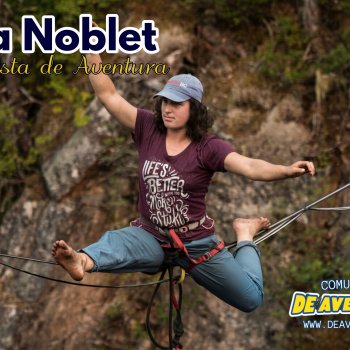
Mía Noblet: The canopy pilot who defies gravity
Mía Noblet is a Canadian canopy pilot who has stood out in the world of canopy for her ability to defy gravity and for her capacity to break world records. From a young age, Mía has been involved in adventure sports, but it was in canopy where she found her true passion. Mía's incredible career in the world of canopy and extreme sports. Born in 1995 in Rossland, British Columbia, Mía started practicing canopy at the age of 18, after trying various adventure sports such as skiing, snowboarding, and skydiving. Since then, she has participated in numerous national and international competitions, where she has demonstrated her great skill and achieved significant victories. In 2017, Mía broke the world record for canopy distance, flying over 3.3 kilometers above Okanagan Lake in Kelowna, British Columbia. But that wasn't enough for her; in 2019, she became the first woman to perform a base jump from a line. Furthermore, she has worked to promote the development of this discipline in her country, organizing events and teaching other athletes the techniques and skills necessary to practice canopy. Mía Noblet is an example of perseverance and dedication, a discipline that requires great skill and a deep passion for adventure. Her talent and bravery have taken her to new limits, and her name will always be remembered as one of the great references of this discipline worldwide.

Kilian Jornet: Hiking Legend Conquering Mountains
Kilian Jornet Burgada was born in Sabadell, Spain, in 1987. From a young age, Jornet showed a great passion for the mountains, hiking, and outdoor sports. At the age of 10, he started practicing ski mountaineering and trail running, and since then, he has dedicated a large part of his life to exploring the most beautiful and challenging landscapes in nature. The icon of trail running and mountaineering who has conquered summits and historical records Throughout his career, Jornet has become a reference in the world of trail running and high mountain hiking. He has climbed some of the highest mountains in the world, including Everest, and has won numerous international trail running competitions. Among his greatest achievements are the ascent to the summit of Everest in 2017 in a single day, the record for the ascent and descent of Mont Blanc in 4 hours and 57 minutes in 2013, as well as victories in various trail running competitions, including the Ultra-Trail du Mont-Blanc, the Hardrock 100, and the Western States 100. But what stands out most about Jornet is his philosophy of life and his respect for nature. For this reason, he has always tried to be as respectful as possible to the environment and has promoted ecological awareness among his followers. In addition to his career as an athlete, Jornet is also a writer and filmmaker. He has published several books about his experiences in the mountains and has directed and produced several documentaries about adventure sports and nature. In conclusion, Kilian Jornet is an exceptional athlete and an inspiring figure for many mountain and outdoor sports enthusiasts. His passion, humility, and respect for nature are values that have led him to conquer great challenges and continue exploring the limits of the human condition.

Kelly Slater: The Surf King
Kelly Slater is undoubtedly one of the most influential and recognized surfers in the history of surfing. His career has been long and successful, but not without challenges and difficulties. Slater started surfing at a young age, influenced by his father, who was a surfing enthusiast. At the age of 10, he moved with his family to Hawaii, where he had the opportunity to perfect his technique and face bigger and more challenging waves. Kelly Slater: the legacy of the most influential surfer in the world of surfing of all time At 18, Slater won his first world surfing championship in 1990, becoming the youngest surfer to achieve this. Despite his early success, Slater temporarily retired from the sport in 1999 to focus on other projects, such as his career as a musician and actor. However, in 2002, Slater returned to professional surfing stronger than ever. He won his sixth world championship the same year, marking the beginning of a successful winning streak that would last for over a decade. He is a hero to surfers worldwide, not only for his record-breaking achievements as a rookie and a legend, but also for his character, kindness, and modesty, qualities that stand out to those who know him. Even as a young amateur, it was clear that he was a natural and relentless competitor. But Slater's influence extends beyond the world of surfing. He has been an active advocate for environmental conservation and has worked on numerous projects to protect marine ecosystems and reduce ocean pollution. Despite Slater winning the world surfing championship 11 times, his career has not been without challenges and setbacks. In 2011, he suffered a back injury that forced him to withdraw from the surfing circuit for several months. He has also faced criticism for his actions and decisions in the sport, such as withdrawing from an event in South Africa in 2017 after a friend of his was attacked by a shark. Despite these obstacles, Slater remains an icon in the sport and a champion of environmental conservation. At 49, he continues to compete in professional surfing events, demonstrating that age is not a barrier to success in the sport. In summary, Kelly Slater is one of the most important and influential surfers in the history of the sport. His legacy is not only based on his sporting achievements, but also on his commitment to environmental conservation and his influence on the evolution of surfing as a sport and culture.

David Lama: El legado de un escalador en Huaraz
David Lama fue un escalador austriaco de renombre mundial que dejó su huella en el mundo de la
Razones para hacer deportes de aventura
Los deportes de aventura se han puesto de moda, y es que te hacen emocionarte, despiertan tu adrenalina e incluso te ayudan a
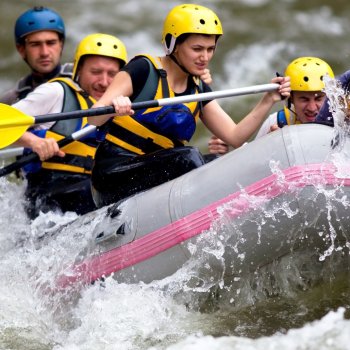
5 ideal places to visit during Easter Week
Se viene semana santa, fin de semana largo que de todas maneras tienes que aprovechar para relajarte.