
Canotaje in Peru
Explore activities, routes, destinations and travel tips for Canotaje in Peru.
Canotaje Activities
View all →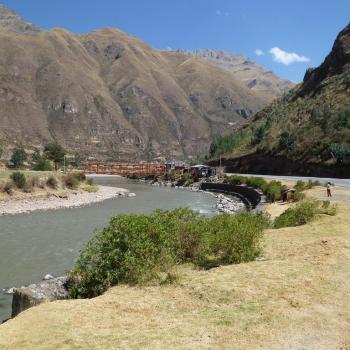
RAFTING CHUQUICAHUANA+ZIP LINE 1 DAY
The Urubamba river runs from the high Andean range...
DOUBLE EXTREME DUATLON: BIKES + RAFTING
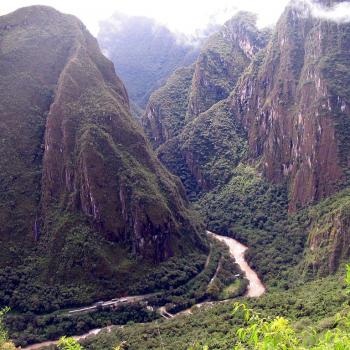
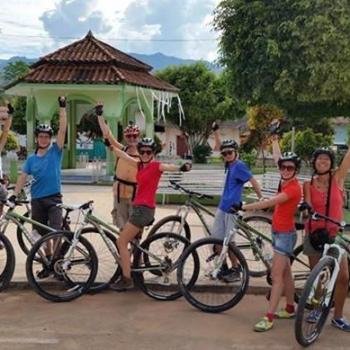
Nuestra ruta Doble Extreme suma a la Trocha del Sh...
Canotaje Lunahuaná - Todos los Fines de Semana
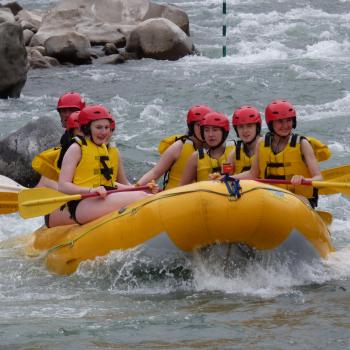
Disfruta de la Aventura Navegando por los rapidos ...
Canotaje Extremo en el rio Pachachaca
Aventurate haciendo canotaje en los rios de Abanca...
Canotaje Routes
View all →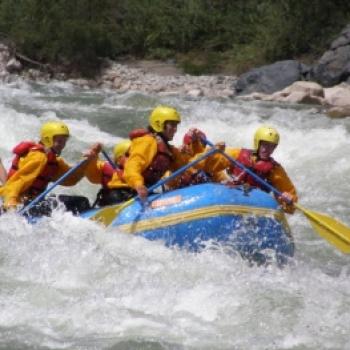
Rafting in Colca
Dare to explore the Colca Canyon, a perfect place for adventure tourism. An adventure at the highest level for extreme adventure enthusiasts, as they will be pleased to discover the Colca Canyon, owner of extraordinary beauty, ideal for practicing canoeing in canoes, rafts, and kayaks. The fury of the waters of the Colca River, which forms the deepest canyon in the world, in the Colca Valley has turned canoeing into one of the most important tourist activities in Peru. During the last expedition to the Colca Canyon in 2005, it was revealed that in the area adjacent to the town of Quillo Orco, in the district of Huambo, the depth of the Colca Canyon reached 4,160 meters on the north side and 3,600 meters on the south side, making it the second deepest canyon in the world after the Yarlung Tsangpo Canyon in China, which measures 5,590 meters. The Colca Canyon, synonymous with canoeing and rafting, makes it a worldwide classic for canoeing. Origin of the Colca River The Colca River originates in the heights of the Yaretane and Torre hills, located at 4,750 meters above sea level, flowing into the Pacific Ocean. The Colca River has a length of over 129 km, with a Southwest-Northeast direction. On the left side, it passes through a chain of mountains of volcanic origin, such as Ampato, Sabancaya, and Hualca Hualca, while on the right side, the volcanic range of Chila is aligned, including Mismi (5,598 meters above sea level). This river flows through the Colca Canyon, contributing to its formation. Temperature: The Colca River has a temperature between 5 and 6 degrees Celsius. Distance: The river runs through the Colca Canyon, the deepest in the world: 3500m and 100 km long. Length: from Colca Majes-Camana: 388 km Where is the Colca Canyon located? The Colca Canyon is one of the deepest canyons in the world, located in the Colca Valley, Caylloma province at over 3,500 meters above sea level, passing through the Aguada Blanca and Salinas National Reserve north of Arequipa (The White City), between Cabanaconde and Tapay. The Colca Canyon is 165 km from Arequipa to Chivay at 3091 m, and 42 km west of the town of Chivay, the capital of Caylloma, between the mountains of Yajirhua (5,212m) and Lucerna (4,245m). As the Colca River passes through the ancient town of Maca, and deepens away from the valley floor, this is where the Colca Canyon begins, reaching its greatest depth near the famous Cruz del Condor viewpoint. During its course through the canyon, you will find thermal waters, beautiful geological formations on its banks. Its waters allow for various tourist activities such as kayaking and canoeing. Photo: inkastravelservice.com Photo: yusevian.com Season Navigable between May and October. Rafting is recommended from March to December. December to March only recommended for specialists and expeditions (upper and middle part). Sections for canoeing, kayaking, and rafting In the Colca Valley is where the traditional tourist circuits begin, near the town of Chivay, at the foot of Nevado Mismi, the origin of the Amazon River. First Point: Head to the Colca Valley near the town of Sibayo at a place called IPO. IPO - Tuti: Canoeing starts in Ipo, where you can navigate the Colca River for over 7 km, taking approximately an hour and a half to reach the town of Tuti. With Class II and III rapids. Second Point: The start of the Colca River route begins in Pampa Blanca Callalli, flowing through the high and low areas of the Caylloma province to Majes, presenting long stretches of narrow bottoms carved generally on volcanic rock. Its waters are clear, peaceful, and during the rainy season (January, February, March), its flow increases. Six days of rafting that will end in Class IV and V rapids, stopping at Class VI rapids. Huambo: Head from the city of Arequipa to the town of Huambo, where canoeing starts until reaching the Andamayo sector in Castilla, covering a total of 58 kilometers. During the journey, you can appreciate walls carved over time by the waters of the Colca. The rapids here are characterized by being very technical, with Class IV and V rapids. The most challenging rapids come after two days of navigation, by then you should be prepared to have full control of your boats and kayaks. Colca River: Start rafting in the world's deepest canyon. With Class III and IV, V rapids for 3 hours, after the journey, you will reach the confluence of the Mamacocha River. From here, the volume of the Colca River almost doubles. In this expedition, you will also encounter Class V rapids. During the journey, you will pass by two landmarks (Laceria Hill and Yajirhua Hill), indicating the deepest part of the Colca Canyon. You can camp on the river's beaches. Along the Colca River route, you can observe monoliths or stone forests standing out from the rest of the landscape, rock walls, and columns throughout the Colca Canyon influenced by the volcanic activities of Sabancaya and Hualca Hualca. Arequipa: Once the journey is completed, you can return to the city of Arequipa, approximately a 3-hour drive away. video: expedicionesyaventuras.com video: Tom Leeman Rapids: difficulty level Class II to VI Colca River excursion time: between 4 to 5 days Did you know? The Colca River flows through all the towns of the Colca Valley: Sibayo, Callalli, Tuti, Canocota, Chivay, Coporaque, Ichupampa, Yanque, Achoma, Maca, Lari, Madrigal, Pinchollo, Cabanaconde. As it merges with the Andamayo River, it becomes the Majes River; and when it merges with the Pucayura River near the coast, it becomes the Camaná River. Chivay is the largest town in the Colca Valley. Recommendations: It is advisable to be in optimal physical and mental condition. Previous experience with Class V rapids. You can travel the lower part of the river in rubber rafts. However, only experienced and highly skilled individuals in kayaking can navigate the canyon section. ...
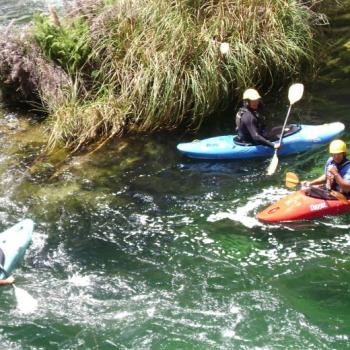
Rafting in Huancaya
The Nor Yauyos Cochas Landscape Reserve in Huancaya is a spectacular destination for rafting, also known as canoeing and kayaking. This place boasts unbeatable beauty. Photo: huancaya-peru This great reserve is located in the upper and middle basin of the Cañete River, encompassing parts of the territories of the departments of Lima and Junín. It covers an area of 221,268.48 hectares, filled with beautiful landscapes, rivers, lakes, waterfalls, flora, fauna, and picturesque villages like Huancaya, Alis, Vitis, and Laraos. Where It Takes Place First Day The adventure starts from the resort of Huachara - Vilca, heading to Laguna Redonda, passing through charming totora reeds along the way. Next, you'll visit Laguna de Papacocha, one of the most beautiful in the reserve, where you'll be amazed by its crystal-clear waters and the variety of trout swimming by. Then, you'll cross through tall trees to reach Bosque del Amor, where beautiful waterfalls can be found. Continuing along the river channels, you'll cross the centennial bridge, the islands of Balsacucho, and reach the resort of Chichay. Finally, as the last destination of the day, you'll arrive at Laguna Grande, where you can explore its attractive Majaya waterfalls. Second Day On the second day of adventure, you'll navigate the vast Laguna de Huancacruz - Suero Pozo, surrounded by beautiful terraces, totora reeds, and cliffs. Then, you'll descend to reach the Chinchan waterfalls. After a short break, you'll head towards Laguna de Quisococha and Bado de Potene, the Huarimanca - Cajahore lagoons, and the beautiful Cuchupasca waterfalls. Lastly, you'll explore the extensive Laguna de Las Rosa, the beautiful waterfalls of the Pre-Inca natural bridge, and the grand Laguna de Hualhua. Third Day On the final day of navigation, you'll discover another beautiful waterfall, Carhuayno. You'll continue navigating along the shores of the Quiriano valley and the Capachaca waterfalls, until you reach the resort of Ampi. Next, you'll head towards the large stone huacas, then descend through the challenging Puente Colonial waterfalls. After exploring the attractive waterfalls and the Lagunilla de Atao, you'll descend through the deafening Cabracancha waterfalls. To conclude the adventure, you'll explore the Laguna de Mayo, where this great journey comes to an end. Level Moderate. Duration 3 Days. Season The best time to embark on this adventure is between the months of April and November, when the area offers a favorable climate for this expedition. Photo: Diego Sánchez What to Bring Swimwear Shorts Towel Water shoes Cap Sunscreen Bottled water Life jacket Paddles Kayak Recommendations We recommend hiring a specialized agency to undertake this expedition, as they can provide you with all the necessary equipment and guides to ensure a safe adventure. Video: Gladys Katekaru...
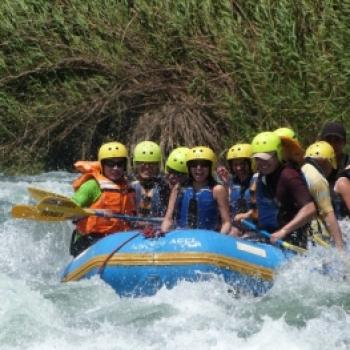
Rafting in Lunahuaná
Canoeing in Lunahuaná is a guaranteed water adventure and the most requested adventure sport practiced on the Cañete River in the Lunahuaná Valley, which shares the same name as the city (this valley is 3 hours away from Lima and is ideal for experiencing days full of adventure). Rafting or canoeing is one of the most traditional outdoor activities in Lunahuaná, and full-day packages that include canoeing are mostly offered. After a briefing on paddling techniques and safety measures, you will embark on a great adventure. // How to get to Lunahuaná To get to Lunahuaná by private transport, bus, or through an agency service, you can check how to get to Lunahuaná or adventure sports in Lunahuaná. There is also information about hotels in Lunahuaná and other tourism activities. In this section, no further information is provided about these data as we focus on the canoeing route and everything you need to know to do it. Technical Data Approximate Time of the Cañete River Route Summer: Higher flow, faster, approximately 30 minutes. Rest of the year: 40-50 minutes approximately. Distance 7.5 km route on the river Tips and Important Information Seasons Calm Waters: May - December (basic level) White Waters: January - April (intermediate and advanced levels) How much does it cost? The price for canoeing in Lunahuaná varies between S/. 25 and S/. 40, depending on the agency you contact for this adventure. Regardless of the agency, consider the following point. Canoeing Schedule The schedule for the canoeing service provided by agencies is until 5:30 pm according to the Lunahuaná municipality. What to bring To participate in this activity, you must expect to get wet, and depending on the weather, consider the following: Insect repellent and sunscreen. Synthetic material shirt. Shorts or light lower garment. Water sandals or footwear that can get wet, preferably secure to your foot. Hat, sunglasses. Extra change of clothes for the end of the route. Photos: Don't worry about taking photos during the journey, as there are agencies that do so and you can buy them later. Secure your phone or camera with a waterproof protector if you still want to bring it along during the journey. Safety Equipment and Requirements for Safe Canoeing The canoeing level practiced in Lunahuaná is commonly Class III sections, and these recommendations should be applied according to MINCETUR: Canoeing guides must be adults, and it is prohibited to take children under 8 years old for canoeing practice as established by the Lunahuaná municipality. The maximum capacity of the large boat (15-18 feet boat): Maximum 10 people including the Canoeing Conductor. Tourism service providers must provide canoeing vests in sizes for children and adults with special needs (weight, size, disability, etc.). Canoeing life jackets must have a neck protective pad (Class V) for all levels and classes of rapids, in good conservation condition, and original from the manufacturer. All Canoeing Conductors must be accredited and have a minimum experience of one year and training in Class III rivers. In tours with only one (1) canoeing boat, the Canoeing Conductor must have at least two (2) years of experience as a Canoeing Conductor. For all types of rapids, there must be a safety and rescue system between Canoeing Conductors and boat to boat, previously trained and/or coordinated. Boats must be properly equipped and in good conservation condition. Canoeing in Lunahuaná should not be complicated or extreme, but it is advisable to consider these recommendations for a safe adventure. Where Canoeing Takes Place The answer is almost obvious, but some people may not be clear about it. Although it is popularly known as "canoeing in Lunahuaná," it is important to clarify that this adventure activity takes place on the Cañete River, located in the Lunahuaná Valley. Rafting or Canoeing Sections of Different Levels: Paullo – Socsi Section: For beginners Minimum age 8 years 7 kilometers distance Approximately 30 minutes duration on the river Rapids level II - III Catapalla – Lunahuaná Section: For beginners Minimum age 5 years 6 kilometers distance Approximately 50 minutes duration on the river Rapids level II – III Hanging Bridge – Lunahuaná Section: For beginners Minimum age 5 years 9 kilometers distance Approximately 2 hours duration on the river Rapids level II - III Lunahuaná – Paullo Section: For thrill-seekers Minimum age 18 years 8.20 kilometers distance Approximately 50 minutes duration on the river Rapids level III – IV+ Catapalla – Lunahuaná Section: For experienced rafters Minimum age 18 years 6 kilometers distance Approximately 30 minutes duration on the river Rapids level III – IV+ Others: Hanging Bridge – Paullo: Distance 16.7 km Pacaran – Paullo: Distance 21 km Video and Photos of Canoeing in Lunahuaná Video: GENERACIÓN Instituto de Investigación "Canoeing is a nature (water) contact activity and can be your best adventure." Extra Information If you want to go canoeing on your own, for basic or beginner routes, hire a professional guide or a qualified and certified tourism agency, as they are the ones who know the river sections and will provide you with a technical briefing of approximately 20 minutes on how to use the paddle, positions in the raft, and safety measures. Let yourself be carried away and glide through the exciting rapids of the Cañete River in Lunahuaná, experiencing new emotions, full of adventure and lots of adrenaline with family and friends. If you have already done this outdoor activity, share your canoeing photos in Lunahuaná. Canoeing in Lunahuaná with DE AVENTURA DE AVENTURA offers full-day packages for canoeing in Lunahuaná, and you can book online by making the payment with a credit or debit card. What are you waiting for to experience your own adventure?...
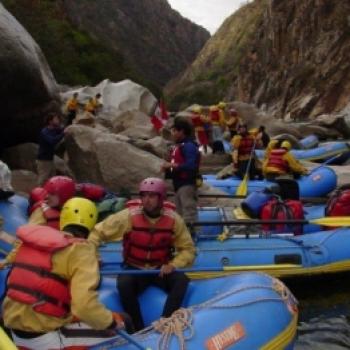
Rafting on the Apurimac River
An expedition in wild and white waters, an exciting experience, ranked among the top 10 Rafting trips in the world. Photo: www.viajespacifico.com.pe The famous Apurimac River Canyon "The God who speaks" or "The speaking river god of the Incas" is ideal for sports activities such as rafting due to the force of its river waters. The journey on the Apurimac is quite demanding and requires absolute concentration. Those who know the Apurimac always say that it is the one in charge, which is why the river deserves all possible respect. No precaution is too much for those who dare to venture into its waters. Photo: stampsperu.com The Apurimac River is one of the most visited places by adrenaline-seeking athletes, considered one of the deepest in America as well as one of the best rivers in the world for white water rafting with class II, III to V rapids. With excellent weather and a roller coaster sensation on the boat, thrilling sections are interspersed with peaceful stretches where the raft drifts along the river, while extraordinary rock formations are admired. In the afternoon, the expedition leaves the river to set up camp on sandy beaches. Bonfires, a sky full of stars, and the sound of the river mark nights of tranquility and meditation. Season: The flow of the Apurimac varies according to the season. The best time to explore it is between the months of May and October. Thanks to perurafting.com and Mayuc.com, you can see the route taken on the Apurimac River, classified as one of the top 10 Rafting trips in the world. Part 1 Part 2 Part 3 Video: Perurafting.com and mayuc.com Recommendations: Sandals and river shoes. A hat for the sun. Flashlight with batteries and spare bulb. Insect repellent. Sleeping bag and mat. ...
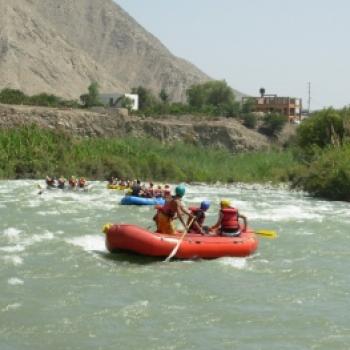
Rafting in Camaná River
The Camaná River, located in the city of Arequipa, is known as the Colca River or Majes River. It has a length of 450km, as well as two types of climate. One of its particularities is that its basin is the longest in the entire Pacific slope, covering 388 kilometers. Camaná has two types of climates, one very hot in the summer and another very mild the rest of the year, making it one of the main attractions for adventure sports enthusiasts. The valley serves as the final point or culmination of an extensive basin; along the route, you can see the production of rice, beans, corn, sweet potatoes, garlic, lima beans, alfalfa, artichokes, wheat, and fruits such as watermelon, banana, grapes, and pacae. We also observe migratory birds such as the huacchira and the heron, which inhabit the lagoons and marshes that form thanks to the valley. Location: Arequipa Climate: Mild ...
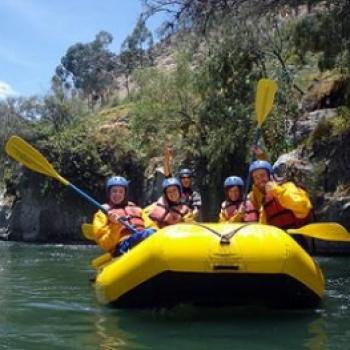
Whitewater Rafting on the Chili River
The Chili River is a low-flow river, but it offers a unique experience in the city of Arequipa. This river is ideal for hikers looking for a technical, fast, and fun river with Class II, III, and IV rapids. Photo: www.panoramio.com Where is the Chili River located? The Chili River is located just 25 to 30 minutes from the Plaza de Armas in Arequipa, where you can find the beautiful Chilina Valley at the foot of the Misti volcano. The river Chili flows through this area free of pollution and amidst impressive walls of volcanic rock. The Chilina Valley extends approximately 15 km, located between 2493 m and 2578 m in Cayma. Photo: www.madrimasd.org Photo: tolongedecasa.com Rafting Sections In the Chili River, you will find sections with rapids ranging from level I (basic) to level III (intermediate) and 2 level IV (advanced) rapids. Between Charcani - Carmen Alto: To practice this activity, head to the area known as the Gruta de la Virgen de Chapi in Charcani, located at the head of the Chilina Valley. You will receive an instructive talk on the correct use of the equipment and after taking all necessary safety measures for the activity, the descent begins. The descent on the river covers a stretch of 6 km, lasting between 1:30 to 2:00 hrs. All within the Chilina Valley with an excellent view of Misti and Chachani, as well as the volcanic rock formations on the sides of the river, with Class III and IV rapids. Chachani Circuit: Located near the Misti volcano, this circuit is ideal for those seeking calm thrills, just 20 minutes from the center of the city of Arequipa. The descent covers a 6 km stretch, offering a fascinating journey through Class I and II rapids for approximately 1.5 hours, observing a varied diversity of fauna and flora, ending the journey in the Chilina Valley, 2 kilometers from the city. Photo: commons.wikimedia.org The total time for the expedition is approximately 3 to 4 hours, including transportation to the river, the river journey, and the return to the city. Rapids Difficulty: Intermediate with Class II, III, IV Season: From April to December, it is recommended to do tourist rafting from May to December, when river flows are not dangerous. Source: Expediciones y Aventuras...
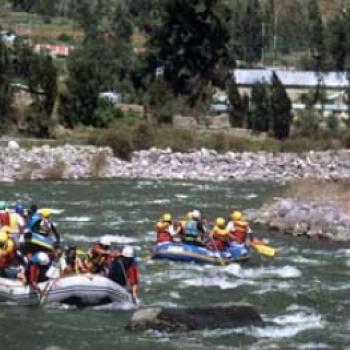
Whitewater Rafting in Cotahuasi River
The province of La Unión, in Arequipa, has to offer adrenaline-seeking tourists a fantastic river, ideal for whitewater rafting, and that is the Cotahuasi River, which features rapids of level III and IV. The best season to navigate the Cotahuasi rapids is between the months of April to October, and if you want to be part of an adventure festival in the area, it is suggested to visit the place in May when the Cotahuasi Adventure Festival is celebrated. The rafting circuit on this river starts in Antabamba and has an average length of fifteen kilometers where the initial route is suitable for everyone. As the river progresses, after those 15 km, you reach an area with level III and IV rapids, for those with some experience....
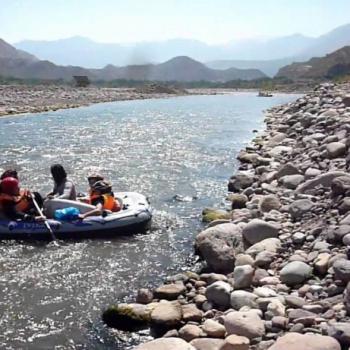
Rafting in Huarpa River
Peru has more than a dozen rivers that flow through its diverse regions: coast, highlands, and jungle. The five longest rivers cover almost 7000 km within the country. The force of the water in some rivers allows for the practice of canoeing or rafting, as is the case with the Huarpa River. This river is very emblematic for the regional culture of the Ayacucho area, as the Huarpa culture takes its name in reference to it. Where is the sport practiced? The activity takes place on the Huarpa River located 5 km from the current city of Ayacucho, in the province of Huanta (2628 masl). Distance: 5.5 km. Travel time: 1 hr. and 45 min. Season: From April to October, as it is not the rainy season. What to bring? Wear sports clothing that can get wet Change of clothes Sunscreen and lip balm Small backpack for personal items Towel Recommendations Keep your hands free for a better experience. Choose appropriate clothing for white water. Be cautious with your technological devices. Research the river where you will be doing the activity. Work as a team on the raft. ...
Specialized Agencies
View all →

Adventure Perú Tours
Urbanización Bancopata M-6, Santiago - Cusco
...
AGENCIA DE TURISMO TESOROS DEL GRAN PAJATEN
Jr: Malecon N° 222
Somos una agencia de turismo que está vinculado...

Allin Illariy
Av. Benavides 291 Int 111 Miraflores
Somos una Agencia de viajes - Tour Operador, de...

AMAZON MOUNTAIN BIKERS
Jr. Capirona 160 Tarapoto
Somos una empresa ecoTurística cuya actividad prin...
AMAZONAS LAND TREK
Jr. Ortiz Arrieta N°508 Plaza de armas - Chachapoyas -Amazonas - Perú
...
aTeam Peru Travel
Calle Jerusalen 312 - Cercado
Ofrecemos tours de caminatas, rafting, canopy en A...
aTeam Peru Travel
Calle Jerusalen 312 - Cercado
Ofrecemos tours en Arequipa. Trekking, rafting en ...
Community Adventures
View all →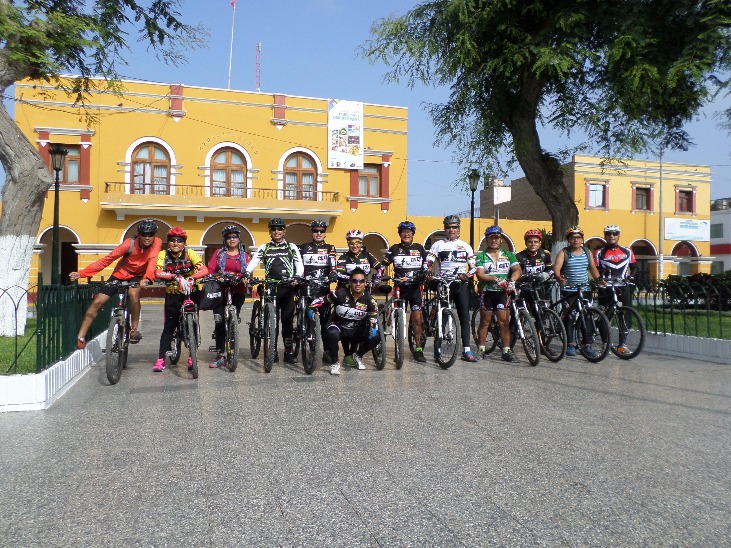
Cycling and Rafting
Cycling and Canoeing organized by the Long Distance Cyclists club Our adventure begins very early with the participation of 13 friends heading to the city of Cañete where we embarked on the road to Lunahuana. We started with the bicycles on the rugged path, the relentless heat but nothing stopped us from achieving our goal. Once in Lunahuana, we felt the urge to do something different and this time we decided to go canoeing. Some already had experience while others showed some nervousness about doing this sport, but all with the same enthusiasm. It was 40 minutes of full adrenaline, soaked in a lot of excitement:...
Kayaking in the Ends of the Earth
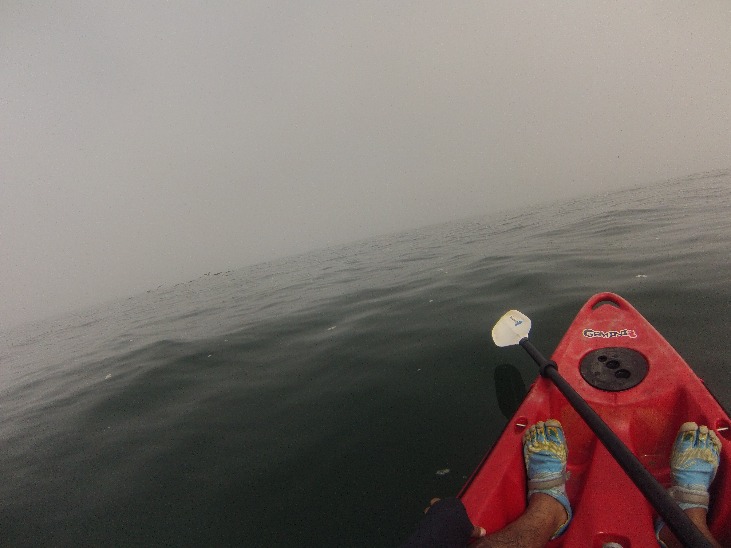
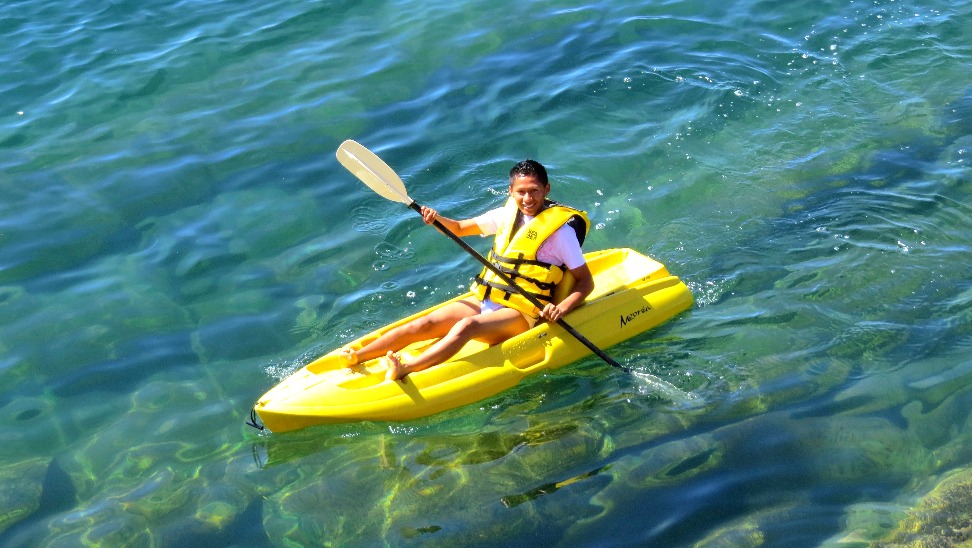
Today as yesterday, tomorrow as today, and always the same! A sky, a paradise, an eternal horizon to contemplate... and there is no greater dream in life than the dream of returning to the place where you feel at home. From the very first moment I discovered this beautiful paradise, it has been difficult to get it out of my mind... Watching as the landscape clears, the sun rises with a scent of happiness, and under the welcoming blue sky that greets me like a son returning home, I am happy to be part of the Joy of this place called CASTILLO DEL TITICACA. "If you are thinking of traveling, don't think about it anymore, act, pack your things and go... PUNO is waiting for you." Thank you for your friendship and for your teachings. God bless you friends: Christian Nonis, Blas Arazola....
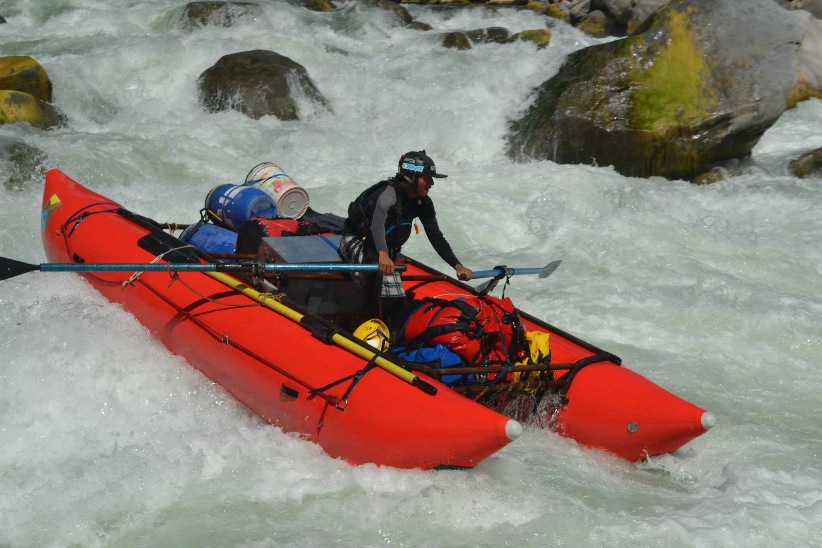
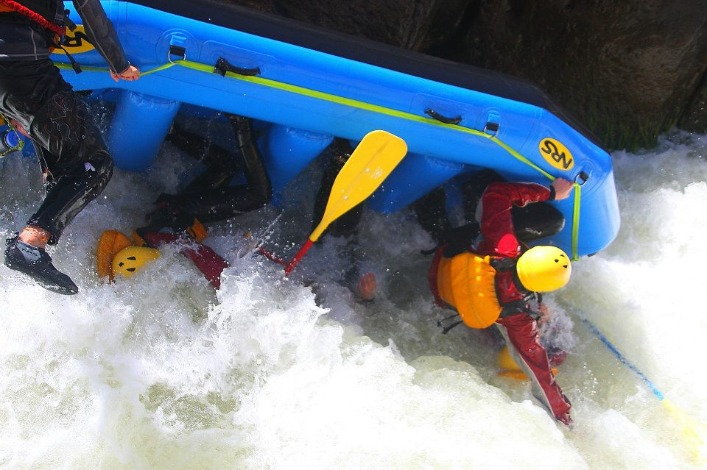

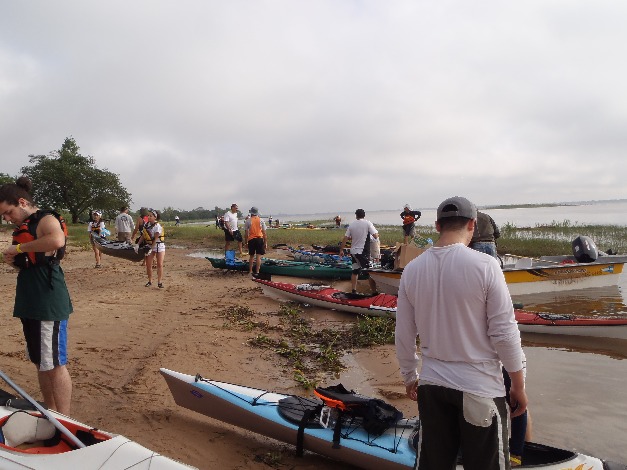
Cayastá Santa Fe Expedition
We embarked on a two-day kayaking journey from Cayastá to the city of Santa Fe, covering a distance of 120 kilometers, navigating through rivers, streams, and lagoons. We enjoyed fabulous days filled with camaraderie and surrounded by nature....

SAILING IN THE ANDES
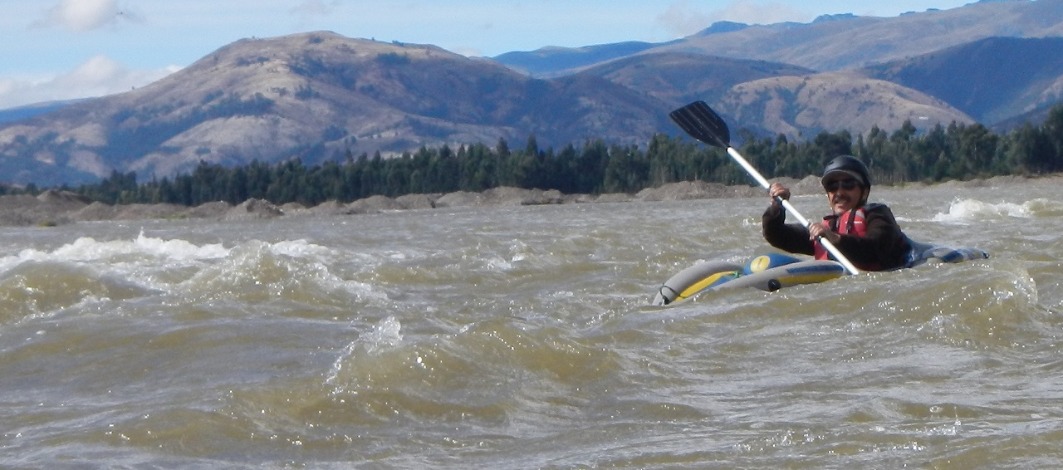
With my friend Yerson, we decided to have fun in the best way possible. KAYAKING on the Mantaro River. We departed from the province of Concepcion and paddled for 25 km until reaching the city and province of Huancayo. Along the water route, we saw numerous groups of wild ducks that, when taking flight, displayed beautiful feathers of intense green color, shining brightly. We hope to do it again soon....
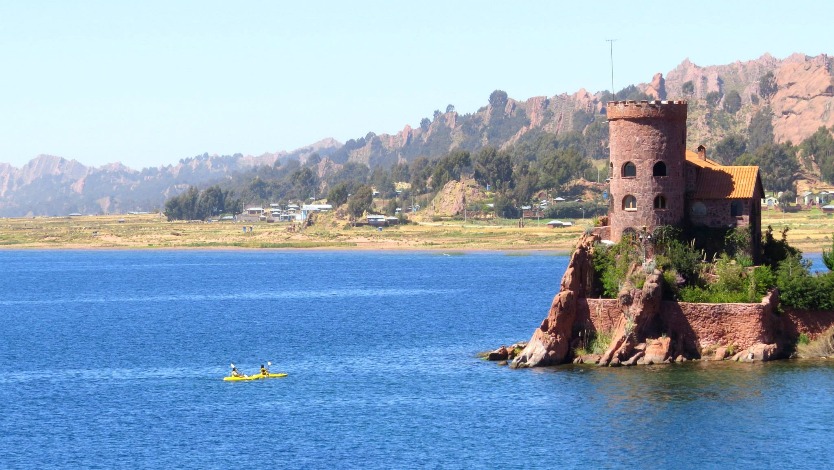
Kayaking on the highest lake in the world
Kayaking in front of the majestic Castle of the Edge of the World on Lake Titicaca....