
Adventure Blog
Discover tips, experiences and guides for your next adventures
Categories
- Andinismo
- Barranquismo
- Blob Jump
- Buceo
- Canopy
- Canotaje
- Ciclismo
- Consejos
- Deportes de aventura
- Destinos de Aventura
- Entrevistas
- Escalada
- Esqui
- Festivales
- Flyboard
- Infografías
- insight de aventura
- Kite Surfing
- Leyendas de aventura
- Longboard
- Noticias de Aventura
- Otros deportes
- Parapente
- Puenting
- Sandboard
- Slackline
- Surf
- Todo Terreno
- Trail Running
- Trekking
- Ultramaratón
- vaa
- Video de Aventura
- Wakeboarding
- WakeSkate
- Windsurf

5 ways to light a campfire
To start a home campfire, there are various improvised ways. To light the fire correctly, it is important to have enough tinder prepared (dry grass compacted well so that the ember spreads easily) and thin, dry firewood to not waste a flame that may have cost us a lot of effort to obtain. Whether you are in a place like the beach or the forest and want to make a campfire, one of these tips will surely help you. 1. Use a Lens Starting a fire using a magnifying glass or lens is an easy method to ignite a fire without the help of matches. To create a campfire, all you need is some kind of lens to focus the sunlight on a specific point. A magnifying glass, eyeglasses, or binoculars' lenses work perfectly. If you add a little water to the lens, you can intensify the beam. Place the lens at an angle towards the sun to focus the beam on as small an area as possible. Put the tinder nest under this point, and soon you will have a campfire. Photo: 4.bp.blogspot 2. A Soda Can and a Chocolate Bar For this method, you only need a soda can, a chocolate bar, and a sunny day. The first step is to open your chocolate and start rubbing it against the bottom of the soda can. The chocolate acts as a polisher and will leave the bottom of the can shining like a mirror. After this, the sunlight will reflect on the bottom of the can, forming a heat point; what you should do now is aim this light focus at the tinder to create the flame. Another option in case you don't have chocolate on hand is to use toothpaste. 3. Balloons and Condoms Although it may sound strange or impossible, a condom can help you start a campfire. First, fill the condom or balloon with water and tie it. Try to make it as spherical as possible without inflating it too much, as this could distort the focal point of the sun's rays. Squeeze the balloon in your hands to give it a shape that results in a circle of light. Try squeezing the condom in half to form two small lenses. These latex objects have less focusing power than conventional lenses, so you should place them one or two inches away from the tinder nest. Photo: todosupervivencia 4. Fire Created with Ice This method is useful when camping during mountain trips. The first thing you need to do is take clear water; the ice should be clear and transparent. The best way to make a transparent ice block is to fill a plate or cup made of aluminum foil with clear pond water or melted snow. The ice block should be about two inches thick to work. Then you have to shape the ice; use a knife to give it a lens shape, always thicker in the center than at the periphery. Once cut, polish it with your hands until it is smooth. Finally, use your ice as a lens, pointing the heat focus on the dry tinder to create fire. 5. Indian Bow The most important thing in this method is to get good wood; keep this in mind before starting. The Indian bow consists of quickly rotating a stick with the help of a bow on another piece of wood. We will build the bow with a flexible branch and a shoelace, tying the ends to the ends of the branch. If we want the method to work, we must rub soft wood (friction stick) against hard wood (base platform). Now we must place the friction stick in the middle of the base platform and rotate it with the help of the Indian bow. When smoke starts to appear, add the well-compacted tinder so that the ember spreads easily and gently blow while continuing to rub to achieve a flame. Photo: 4.bp.blogspot. Take advantage of experimenting with these new ways to start a campfire on your next adventure and share your experiences with the community. See also: How to set up a tent in 5 steps What should I bring in my adventure backpack? How to navigate with a compass
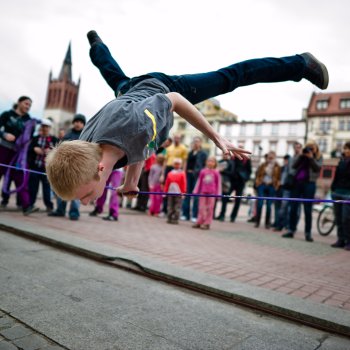
Slackline: The Air Acrobats.
The Slackline is a new adventure sport that is gaining more and more popularity in our country every day. But What is Slackline? Where does it come from? What modalities exist? The popular 'tightrope', as many call it, is now a discipline that goes beyond just having a fun time; this sport requires a lot of endurance, coordination, and balance. Photo: Emmeet.com Let's start by defining what Slackline is. This sport is not just about walking on a tightrope; it is a dynamic and simple sport. It is very similar to tightrope walking, but instead of using a tight metal cable, a flat nylon or polyester webbing is used, providing suspension and sway, which is anchored between two trees or fixed points. Photo: Rocknboard.com In Slackline, both the body and the mind are engaged. It is a very complete sport that works practically all parts of the body. Additionally, a lot of calmness and concentration are needed to walk on the line and perform tricks; mastering breathing is essential here. Photo: Fanpage Slackline Peru All this buzz around slackline is attributed to two California climbers from Yosemite Valley: Adam Grosowsky and Jeff Ellington. They started practicing in nearby parking lots, using their own climbing gear. Photo: slacklinetechnology.com These are the modalities of Slackline: Trickline in this modality, the line is set at 1.10m above the ground, and tricks and jumps are performed, it is the most well-known and spectacular. Photo: Papachos.com Waterline this variant is similar to trickline but over water, combining the relaxing sound of water with the adrenaline of not falling into it. Photo: i.telegraph.co.uk Longline is the longest modality. The line is over 30 meters long and involves walking; it requires a lot of skill and practice to walk on longline ropes as they are narrower than trickline ones, it is a modality that requires a lot of concentration and gives a sensation of walking on clouds. Photo: wikimedia.org Highline these are lines located more than 20 meters above the ground, requiring more specific and technical materials. In this modality, the risk increases, and the adrenaline surges. Photo: tigrepelvar.files.wordpress Rodeoline here, a loosely tensioned U-shaped line is set up, and the goal is to swing on it standing up like on a swing. It requires a lot of technique, practice, and body control. Photo: Slacklife.org Yoga Slackline involves practicing yoga on the line, requiring a lot of concentration and practice on the line. Photo: www.uworkfit.com Now that you know a little more about this adventure sport, why not give it a try and attempt to balance on a slackline. See also: Dean Potter: Fly or Die. Several tourists arrived at the RockFest 2014 Festival in Valle Dorado Huayhuay, La Oroya
How to set up a tent in 5 steps
Camping in the middle of the countryside, the beach, or the mountains is always one of the activities that takes the most effort to accomplish. We have tried to make it easier for you with these five steps to set up a tent. Remember to always look for a suitable, safe place with permission to camp. Here are the 5 steps: Make sure to arrive at your campsite before dark. Setting up a tent in the dark, or with a flashlight, will take a lot of time and can be dangerous and uncomfortable if you end up losing any part of the tent in the camping area. Photo: iyaralake.com Clean the area where you will pitch the tent. Remove all rocks and sticks, as sleeping on this debris can be uncomfortable or painful. Photo: Ozarks.edu Start by laying the tent on the ground, most tents come with specific instructions, so once it's organized, take the stakes and insert them into the rings or straps at the ends of the tent. This requires the help of two people working on opposite sides of the tent. Photo: lapatria.com Raise the tent and secure it well, placing the stakes in the ground. Remember to think carefully about which direction the tent entrance will face. Photo: jho.gejho.org Spread out the tent floor to avoid wrinkles, working from opposite sides of it. If the terrain is very uneven, this may take some time. Photo: 1.bp.blogspot.com Now, put these tips into practice and get ready for your next adventure See also: How to camp in the rain 5 easy ways to start a campfire How to navigate with a compass
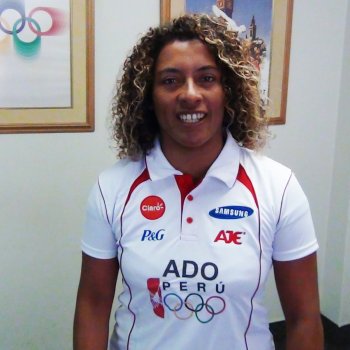
Analí Gomez: Revolution on the Waves
Analí Gomez, born in Punta Hermosa, is the youngest of eleven siblings and currently one of the best national representatives of women's surfing in the ASP. Photo: Olasperu.com The girl with the rebellious curls who started riding Bodyboard in Punta Hermosa when she was only 9 years old. Today she is a national champion and with determination, she has achieved titles that place her among the best surfers of the WQS. Photo: Portalandina.com.pe Her story in surfing began when she was just a rebellious girl who enjoyed the sea and summer. Her older brother Jara introduced her to the world of the Hawaiian board after seeing her ride "Morey". A few waves were enough for Analí to stand up on the board and realize that was her calling. Photo: Portalandina.com.pe Once she grabbed the board, nothing could separate her from the sea. Between school escapes and weekends at the beach, Analí always found waves, friends, and time to ride. The first time she won a leg of the Latin American Championship was at the age of 13 in Ecuador. From there, she started competing in national, Latin American, Pan American, and WTC circuits. Photo: Isasurf.org Throughout her career, Analí has been: National Champion, Latin American Champion, Pan American Champion, and South American Champion in 2006. She was Runner-up in the Junior Surfing World Championship and most recently, Runner-up in the Rip Curl Open in San Bartolo. She currently ranks among the top 50 surfers in the world and continues to maintain that rebellious spirit every time she faces the waves. Photo: 3.bp.blogspot After so many years, championships, and successes, we could say that the sea is her life, what complements her and at the same time has shown her self-improvement. We hope that Analí continues to excel and achieve her goals. See also: Rob Machado: Surf with Style and Aloha. 5 Tips for Surfing National Surf Tournament: Pico Alto will run from April 1 to June 30

How to Choose Your Adventure Backpack?
Every time we go on an adventure, we always ask ourselves the same questions: What should I bring? How do I pack all my luggage? How much will my backpack weigh? Should I bring one or more backpacks? Well, to answer all those questions, we must start by choosing a suitable backpack for our trips. If you are getting ready for a trip this season, you have to choose a backpack that suits you and the needs of your adventure. With this guide, we will help you choose the most suitable backpack so you can travel with greater comfort and skill. Photo: Aliancebroad.com The first thing you should do is measure your spinal column from the base of your neck to the top of your hips, based on these measurements you can determine the size of your backpack: Torso Size Backpack Size 38 cm or less Extra Small 40 to 43 cm Small 45 to 48 cm Medium / Regular 50 cm and above Large / Tall Choose a backpack that always fits your body shape, this is the best way to distribute the weight of your luggage. Never exceed the size due to the need to carry more things on your trip, there is always a way to pack what is necessary in a small space. Another way to choose your luggage is based on the type and duration of the trip you are going to take: Short Trip: 1 to 2 days, the weight of the empty backpack is approximately between 0.6 to 2 kg. Medium Trip: 2 to 3 days, the weight of the empty backpack is approximately between 1 and 2.5 kg. Long Trip: 3 to 5 days, the weight of the empty backpack is approximately between 1.5 and 2.8 kg. Extended Trip: 5 days or more, the weight of the empty backpack is approximately between 2 kg to over 3 kg. Photo: Bakcpacku.com Customize the Fit: 1. Lumbar Belt: Place the backpack on your back so that the lumbar belt rests on your hip bones. Fasten the lumbar belt buckle and adjust it. You should feel most of the weight of the backpack on your hips and not on your shoulders. 2. Shoulder Straps: Pull down and back on the ends of the shoulder straps to tighten them. The straps should be adjusted perfectly to hold the luggage against your back, thus keeping the load forward. The weight should not be on your shoulders. 3. Load Lifters: The load lifters are located right at the top of the shoulders and should be oriented towards the body. The luggage should be at a 45° angle in relation to your body. 4. Sternum Strap: Adjust it to a comfortable height on your chest and secure the buckle as needed. Then tighten it until the shoulder strap fits snugly inside your shoulders, allowing your arms to move freely. 5. Final Adjustments: Pull the stabilizer straps, located on each side of the lumbar belt, adjusting the body to the backpack. Adjust the lumbar belt to stabilize the load. This ensures that most of the weight rests on the hips. Are you ready for your next adventure? Feel the adrenaline of action and the connection with nature. Let's make Peru the best place for adventure sports.
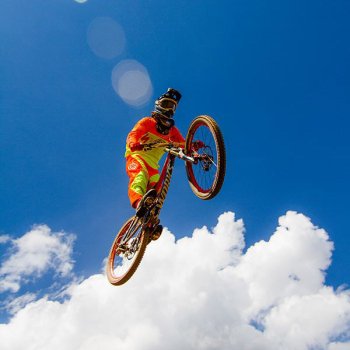
Sebastian Alfaro: A Rocket on Wheels
Sebastián Alfaro was born on January 11, 1997, and at just 17 years old, he is already one of the most promising mountain bikers in Peru, and dare we say, the world. Standing at 1.78 meters tall and weighing 71 kilograms, Alfaro has achieved great triumphs in all the categories he has participated in; his greatest achievement so far has been obtaining 6th place in the Junior category at the Downhill World Championship held this year in Norway. Photo: Rpp.com.pe This young champion's story began at the age of 3, during a family trip to Pachacamac. His father recalls that Sebastián was jumping over sand mounds without any fear, leaving them amazed. When he turned 9, he participated in his first mountain biking competition, which he won. At the end of that race, he promised never to stop racing. And he has certainly kept that promise! Photo: Fanpage Sebastian Alfaro In each race, Sebastián faces routes full of obstacles, rocks, sand, jumps, steps, and curves that require a lot of technique. In order to master these circuits, 'El Cohete,' as he is known in this sport, trains every day before and after school. For him, the support of his family is crucial; they are always his guide and motivation. Photo: Montenbaik.com His first gold medal in the cadet category came in Mexico, at the 2012 Pan American Championship. This championship was a reward for his dedication, effort, and hard work. Alfaro won Gold again in 2013 in Argentina, demonstrating his talent and ambition to dominate the competition. Photo: Fanpage Sebastian Alfaro Sebas states that "The sacrifice is worth it because this is my passion." Photo: Fanpage Sebastian Alfaro This year, Sebastián ranked 6th in the Downhill World Championship in Norway in the Junior category, marking his debut as a professional. His next goal is to compete in all the World Cups and achieve a good ranking in the world standings. Photo: Serperuano.com Before continuing to compete abroad, Sebastián was crowned National Downhill Champion on September 21 at the Morro Solar circuit in Chorrillos. Sebastián's Awards: National Downhill Champion - Junior Category in Peru 2014 6th place in the MTB World Championship - Junior Category in Norway 2014 Gold Medal at the Pan American DH - Cadet Category, in Argentina 2013 5th place in the Fox Air DH - Junior Category at Crankworx / Whistler 2013 8th place in the Garbanzo DH - Junior Category at Crankworx / Whistler 2013 Gold Medal at the National DH Championship - Cadet Category in Peru 2013 Gold Medal at the Pan American DH - Cadet Category in Mexico 2012 Gold Medal at the National DH Championship - Cadet Category in Peru 2012 1st place at the National Championship of Argentina - Cadet Category (Guest) Argentina 2012 1st place at the National Championship of Bolivia - Cadet Category (Guest) Bolivia 2012 Just like Sebastián, you too can explore your passion for adventure sports and share your best experiences with our community.
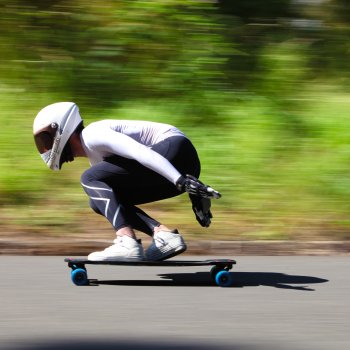
Longboard: The Kings of Extreme Downhill
Adventure Tourism in Peru Adrenaline and speed are for many a perfect and addictive mix. But only a few can enjoy it on a board at 70km/h and just a few centimeters from the ground. Kick, encapsulate, cut through the wind, and let yourself be carried away by this adventure sport that grows more and more in our country every day. Photo: Ytimg.com What is longboarding and how did it originate? Longboarding is an uncommon sport that emerged in the 50s and 60s in North America. This activity consists of a board similar to a skateboard but longer than usual, commonly used to descend hills, slopes, roads, or simply as a means of transportation and fun. Initially, longboarding emerged as an alternative for surfers who, when lacking good waves, decided to hit the city streets. Photo: Surfer.cl Over the years, this has been perfected, creating modalities and improving the boards, expanding worldwide. Nowadays, there are many modalities that can be practiced on this board, including Downhill, Sliding, Carving, Slalom, Dancing, or Freeride. Photo: Longboardmedia.fr Although there are many modalities, the most popular and extreme, easily recognizable by this type of board, is Downhill, which basically involves descending hills at high speeds encapsulated, requiring the use of protective gear such as helmets, knee pads, elbow pads, and gloves. Photo: 3.bp.blogspot Another well-known modality is Sliding, which involves a technique to slide the ground on the board to then brake or reduce speed. This technique is crucial for controlling speed during Downhill. Photo: longboardpucela.blogspot.com Carving is more than a modality; it's a way of skating, allowing you to move from side to side, turning, zigzagging, similar to snowboarding. The best tracks to practice this are long and less crowded slopes. Photo: musicandlongboard.blogspot In Peru, there are excellent places to practice Downhill, depending on your level and technique. The main ones are: El Valle in Tarma, Morro Solar, La Nuclear, Los Alamos, and San Cristobal in Lima, El Ñuro in Talara, Ñaupe in Lambayeque, Callahuanca in Ayacucho, and many more spots waiting to be discovered. Photo: 40sk8.com To discuss the types of longboard decks would take up an entire post, so we will only talk about the basic components of each longboard. Deck: There are many shapes and sizes, ranging from 35 to 45 inches in length. The shape of the board greatly influences the style you want to practice. They need grip tape attached to prevent foot slippage. Trucks: These provide the direction and tilt of the board on the asphalt, with many types having specific characteristics. It's important to choose trucks based on your weight and the modality you practice. Bushings: These are soft accessories that go on each truck, two on each, providing the appropriate response to the longboard during turns, significantly affecting handling and balance. It's recommended to choose them based on your weight and technique. Bearings: Determine the acceleration and rotation of the longboard wheels, located inside the wheels to allow them to spin quickly on the truck axles. Wheels: Measured in size and hardness. Size categories are in millimeters (mm), and hardness is based on how soft or rigid they are. There are special wheels for downhill, others for freeride, depending on what you want to do.

John Tomac: The Essence of Mountain Biking.
A bike, a slope, and a goal; that was all John Tomac needed to be happy. Considered a legend of Mountain Bike (MTB) for his tenacity, versatility, power, and bravery; John achieved 10 national championships (USA) in almost every discipline he competed in during his 20 years as a professional elite. photo: www.galeon.com This legend was born in 1967 in the city of Owosso, Michigan, and from a young age, he knew the love of his life; it was small, light, and had two wheels, that BMX he rode at eight years old on his parents' farm captured his heart. At 17, John was already competing professionally in this category, but gradually transitioned to longer distances, eventually reaching Mountain Bike (MTB). Photo: retrobike.co.uk By 1988, Tomac was fully dedicated to MTB, winning the national championships in that category that year and the following. Just before achieving his greatest feat in 1991, when he became the world champion in Cross Country (XC) and the world runner-up in Downhill (DH) in Italy, using the same bike, something that would be unimaginable in our days. photo: esmtb.com Tomac won the XC world championship in 1992 using a completely rigid bike with road handlebars, a setup he had implemented since 1990. That same year, he won the overall World Cup, earning a well-deserved place in the Mountain Bike Hall of Fame. Photo: esmtb.com His excellent physical condition and great technique for descending steep slopes at high speed led him to be considered the best cyclist in the history of MTB and to be part of great teams like Yeti, Tioga-Raleigh, Giant, and Tomac Racing. During the golden age of North American riders, John had to compete against other MTB stars like Tinker Juarez or Ned Overend, with whom he had glorious battles. His last medal at the World Championships was in 1997, achieving the runner-up in Switzerland in the DH discipline. Photo: Tumbler.com He retired from competition in 2000, although he returned to compete four years later, winning the Kamikaze Downhill that year and the following. Photo: sicklines.com John Tomac has been an inspiration to many athletes; his drive, determination, and daring are the essence of every MTB cyclist. We can only imagine what Tomac could have achieved in our days with the technological advancements in the sport, but one thing is certain: mountain biking is a sport that runs in the blood. If you are a lover of adventure cycling and practice various Mountain Bike disciplines, join our adventure sports community and share your trips and experiences with us.
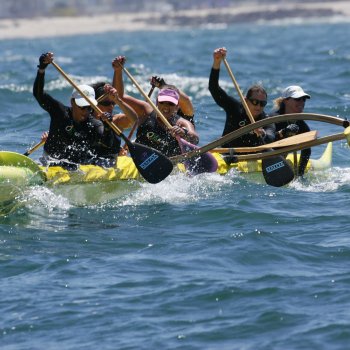
Paddling Adventure: What is Va'a and how is it practiced?
The Va'a, Outrigger, or Polynesian Canoe is an ancestral watercraft from many cultures of Oceania, especially Polynesia. It originated as a way of life 3000 years ago; these watercraft were used for fishing and transportation between islands. However, today it is an adventure sport practiced in over 100 countries. Photo: Misviajesbaratos.wordpress One of the places where this sport is being practiced is Peru. It has been almost 4 years since its inception. It is worth mentioning that Polynesian canoes have been perfected, to the extent that Va'a races have been included in the sports program of the Pacific Games in recent years. Photo: Trickon.com This water sport brings many benefits but requires a lot of endurance, stability, and coordination. As an adventure sport, Va'a promotes contact with nature, as well as teamwork and group unity. Photo: Inkanoa.com There are two types of watercraft: V1, which are individual canoes, and V6, watercraft with space for six people (also known as Outrigger). Regarding competition categories, there are several: from junior 16, junior 19, Novice, Senior, and Open. Each category is divided between men and women, as well as by speed competition of 250 or 500 meters, and endurance with a distance of approximately 61 km. Photo: Woo-outrigger.com In Peru, the first organization focused on this sport is Inkanoa Va’a Peru. They gather and train every Saturday at Yuyos Beach in Barranco, from 9 am to 1 pm; the Inkanoa team has already participated in various South American championships, one in Argentina and another in Peru. Other places where this sport is practiced include La Punta, Chorrillos, and southern beaches like Punta Hermosa. It is worth noting that this year Peru will participate in the South American Rapa Nui Championship (Easter Island) in November; we hope they achieve their goals in this tough competition. Photo: Inkanoa.com More and more people are practicing Va'a in our country, so what are you waiting for? Dare to paddle, work as a team, enjoy the fresh air, and live this unforgettable experience at sea.
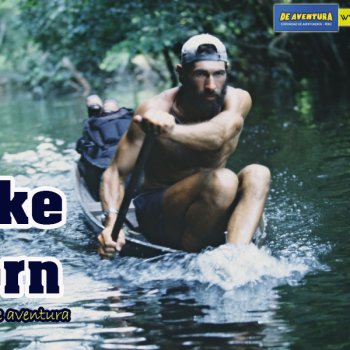
Mike Horn: A Legend of Adventure.
Mike Horn is a legendary explorer, considered by many to be a living legend of adventure. It's not hard to understand why, after sailing around the world following the equator line, trekking and swimming the Amazon, facing the North Pole in the dead of winter, or climbing K2 without supplemental oxygen; call him what you want, we know he will continue to live for adventure. Born to university professors, Mike was born in Johannesburg on July 16, 1966. During his childhood, he enjoyed outdoor climbing, long bike rides, and fishing with his family. Mike was a rebellious young man, but it was during his military service where he learned to survive. At 18, he was in Angola: "I discovered that one will do anything to stay alive." He attended Stellenbosch University in Western Cape, South Africa, where he studied Human Movement Sciences. He worked in sports science until he was 24, when he resigned and moved to Switzerland. From that moment on, Mike embarked on a myriad of expeditions around the world. He married Cathy Horn and has two daughters, Annika and Jessica. Currently, Horn sails the oceans as the captain of the expedition vessel "Pangea." Expeditions: Amazon Mike's first major expedition was in April 1997: It was a 6-month solo journey through South America. He started on foot from the Pacific Ocean until reaching the source of the Amazon River in the Peruvian Andes. Once there, he descended the 7,000 km of the Amazon River on a Hydrospeed, all the way to the Atlantic. Latitud Zero His next journey was in 1999, this time Mike embarked on an 18-month trip, circumnavigating the world along the equator line. His journey was on foot and by sail. He started from Gabon and crossed the Atlantic to Brazil by sail. Then he crossed Brazil and Ecuador by canoe, bicycle, and on foot. After crossing the Pacific, he reached Indonesia through the Galapagos Islands. He then crossed Borneo and Sumatra on foot before crossing the Indian Ocean. Finally, he crossed Africa on foot through the Congo and Gabon, where he completed the first solo circumnavigation of the world along the Equator line. Arktos This was an expedition in 2004 in which Mike circumnavigated the world in the Arctic Circle. It was a two-year and three-month journey that he did alone. He couldn't use any motorized transportation along the impossible 20,000 km route. Mike's route was as follows: He started from Norway at Cape North and continued through Greenland, Alaska, Canada, the Bering Strait, and Russian Siberia before reaching Cape North. North Pole For this adventure, Mike was accompanied by Norwegian explorer Borge Ousland. Together, they embarked on a 60-day ski journey without dogs or motorized transportation through the Arctic night. For two months, the pair walked in total darkness, often on thin ice. Himalayas In 2007, Horn and three other professional climbers reached the summit of Gasherbrum 1 (8,035m) and Gasherbrum 2 (8,068m) without the need for supplemental oxygen. Initially, they were planning to climb four Himalayan mountains, but the bad weather prevented them. Mike used his inner voice to reach the summits. Pangea Recently, Mike became the captain of the expedition vessel "Pangea" and invited Young Explorers aged 15 to 20 from all over the world to travel across oceans and continents. Horn and his expedition carry out ecological and social projects under the motto "Explore, Learn, and Act." Just like Mike, discover your next adventure destination and share your experience with us. Share your adventure
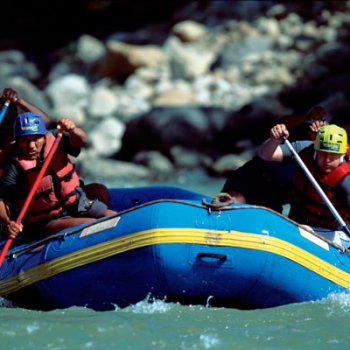
Rafting: How to Tame the Rivers on a Boat?
One of the most practiced adventure sports in Peru is Canoeing or Rafting, this is because our nature and geography have the perfect conditions for this sport. If you want to give it a try, you should consider the following recommendations. Rafting Modalities Central Command In this modality, the guide positions himself in the center of the boat and directs it from there. He uses 2 paddles attached to the boat to propel it in the direction of the current. Photo: Natgeo Paddle Command This type of rafting is done with single-blade paddles and involves collective work directed by the guide, who is located at the back of the boat. Photo: Treksguide Recommendations Contact a company that offers this activity. Make sure they have an experienced guide and the necessary safety equipment (ropes, first aid kit, air pump). Follow the guide's instructions, do not let yourself be carried away by excitement and listen carefully to ensure your safety and enjoyment. If you have any doubts, ask. Wear appropriate clothing to get into the river, preferably quick-drying clothes such as lycra and swim trunks. Use safety equipment ALL THE TIME, do not remove either the helmet or the life jacket; wearing them can save you from any accident. Seek stability in the boat, adjust your position until you feel secure and well-balanced. Remember to use sunscreen, water shoes or sandals, sunglasses with straps, and a change of dry clothes. Do not bring handheld cameras or objects that may jump out of the boat during the journey. Have fun, respect nature, and share your adventure. Photo: Perurafting Rapids Levels Level I-II: Fun Rapids with regular difficulty and not much risk involved. Level III-IV: These Rapids are more exciting, with high difficulty and some danger involved in navigating them. Level V: This level requires an additional boat because of its intense difficulty level, they are very risky. Level VI: Extreme risk, almost impossible to navigate, companies should not operate at this level. Photo: OARS Canoeing in Peru In Peru, there are more than twelve rivers that exceed 600 km in length. The total length of the five longest rivers is close to 7,000 km, ideal for practicing different water and adventure sports. Where to Practice? Cañete River Urubamba River Apurímac River Vilcanota River Chili River - Majes Canoeing in Colca River Photo: Iletours Get on one of these adventure-filled and adrenaline-pumping boats.
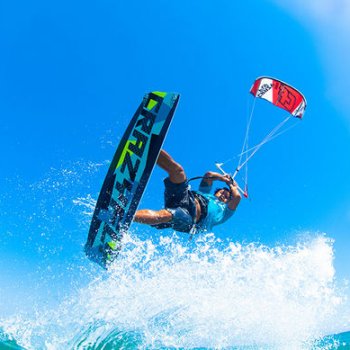
Kite Surfing: Turning a Dream into a Sport
When we were kids and flew a kite in front of the boardwalk, how many of us dreamed of taking off from the ground and traveling towards the sun with the force of the wind? It seems like that dream came true and over time turned into a sport called Kite surfing. Also known as flysurfing, kite surfing is a water sport that involves using a traction kite, attached by lines to a bar and harness, allowing you to glide over the water with a board or skis. Practicing this adventure sport involves certain risks, especially in handling and controlling the wind propulsion force. That's why a preparation on the beach is done before entering the sea. It is recommended to start with small kites and gradually increase the size, according to our technique and mastery of wind traction on our kite. The main techniques you should learn are: Lifting the kite and basic movements in the air; this will serve as a safety system both on and off the water. Photo: Exploraoutdoor Equipment 1. Kite C Type: They have a semicircular shape and are very powerful, recommended for expert kiters who practice radical navigation mode. Bow Type: These kites are more comfortable and easier to adjust the force with which the wind pulls us, recommended for beginners. Hybrid Type: They are a fusion of both types of kites. 2. Board Bidirectional: Perfect for starting in the sport as it allows you to sail in both directions without changing the position of your feet on the board. Directional: Used for wave navigation, the front and back have certain differences and it is necessary to change your feet on the board to change direction. 3. Harness Allows the athlete to remain attached to the kite, usually at waist or thigh level. 4. Neoprene Suit Used for most water sports for its warmth, protection against abrasions, burns, and keeping your body dry. 5. Other Recommendations Helmet: Protect yourself from impacts even when in the sea. Life Jacket: Helps you stay on the surface of the sea effortlessly. It also cushions impacts on your chest. Sunscreen: Prevent sunburn by applying it to exposed areas. Modalities Freestyle: Various aerial maneuvers are executed: spins, jumps, and rotations. In this modality, the best and most complicated jumps are evaluated, with higher difficulty resulting in higher scores. Photo: Aquactivealicante.blogspot Buoy Racing: A high-speed race along a course delimited by buoys, similar to windsurf slalom. Photo: Loopingit Wave Surfing: Involves performing maneuvers on the waves, similar to surfing, with higher scores for maneuvers in challenging areas. Don't miss out and dare to practice this adrenaline-filled sport.
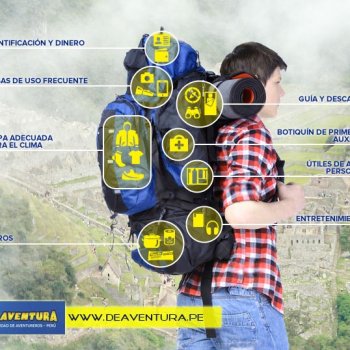
What should I pack in my adventurer's backpack?
Every good adventurer knows that a well-prepared backpack is essential to enjoy their trip. Engaging in adventure sports or camping in the mountains involves carrying the basic equipment to travel to any adventure destination. Remember to maintain a good balance between the weight and size of your backpack. You should adjust your luggage according to the activities you will be doing during your trip. Remember these rules about the backpack: Carry the essentials. Pack as compactly as possible. Weigh the backpack. Consider the climate you will be facing. What to bring? Identification and money: Identification documents, cash, tickets or event passes, emergency contact card. Frequently used items: Flashlight, cellphone, camera, charger or batteries, multi-tool, utensils. First aid kit: Antihistamines, anti-inflammatories, bandages, alcohol, pills for cramps and dizziness, insect repellent, sweets, and sunscreen. Personal hygiene items: Toothbrush, toothpaste, soap, shampoo, towel, sandals, trash bags. Appropriate clothing for the weather: Remember that the weather dictates, t-shirts, sunglasses, hat, sneakers, socks, and warm clothing. Guide and rest: Map, compass, binoculars, rope, sleeping bag, appropriate pajamas, tent. Entertainment: Books, mp3 player, headphones, notepad. Others: You can also bring food, energy bars, or a small pot. See also: How to set up a tent in 5 steps How to choose your Adventure backpack?
9 Tips for Mastering Sandboarding Correctly.
Sandboarding is an adventure sport that basically consists of descending sand dunes or mountains on a specially designed board. It is classified as an extreme sport due to the levels of adrenaline reached by those who practice it. This sport looks for the best dune, the steepest, longest, and with the finest sand. The best places to slide are found in Brazil, Australia, Peru, South Africa, Chile, and Namibia. Here are some tips for you to practice Sandboarding like the best. 1. Get a Sandboarding board and protection. The board has a specially waxed base and bindings where you can secure your feet to avoid losing it when sliding down the hill. Boards come in a variety of designs and waxes with the aim of increasing speed. Whatever board you choose, it should reach up to chin height. Safety first. You should get a safety helmet, knee pads, and elbow pads to cushion falls. If you fall, the sand is quite soft and flexible, although speed can make a difference in how you fall. Get some wax to apply to the board. Regarding light clothing, we recommend: Shorts, sneakers, a cap, and a t-shirt. You can rent a board before buying one. This way, if you don't like it, you won't have spent much money. 2. Choose sand dunes that allow recreational activities. Look for places like dunes near beaches, rivers, and deserts. Make sure they are authorized places, as some are protected by law. There are many free places to practice sandboarding in Peru. Do not skate on dunes where grass grows because the board will damage the roots. Choose hills that only have sand. 3. Try a flat terrain and attempt to skate. If you have already practiced other board sports (sandboarding or skateboarding), it's just a matter of getting familiar with the board on the sand and gaining balance and stability. First, strap one foot and use the other to push off. Try it on flat ground and very small sand mounds. Second, strap both feet. Have someone push you slowly along almost flat ground. This will help you get familiar with the sand. 4. Now move on to a small sand hill with very little slope. Look for a not too big and not too steep sand dune, you will have to get used to maneuvering the board before you can deal with steeper slopes and falls. Dry sand-covered dunes are the best for sliding. Wet sand will stick to the board, causing it to stop or slow down. If you start losing stability, try sitting down. 5. On a small hill, try sliding on your heels. Strap both feet tightly and go down the dune on your heels. Practice this by lifting your toes. Do not lift them too much or you will fall. Now, raise your heels so you can go down the hill. If you gain too much speed and want to stop, lift your toes again. 6. Repeat the previous exercise, but this time working with your toes instead of your heels. After strapping your feet securely, turn around and put pressure on your toes to stabilize yourself at the top of the hill. Remember not to exert too much pressure or you will fall. Release the pressure from your toes to start descending the hill. If you start going down too fast, put pressure on your toes and stop. 7. Keep descending the hill, improving your technique in different areas. Climb back to the top. Now descend again on your heels. Put pressure on your right foot so you can snake to the right side of the hill. Then, put pressure on your left foot so you can snake to the left side of the hill. Try the previous step again, but put more pressure on your right foot so your board points directly down the hill. Then start putting pressure on your toes. You should now be on your toes heading to the left side of the hill. If you want to go back to your heels, put pressure on your front foot until the board is pointing directly towards the base of the dune. 8. Practice until you master your technique. Then, if you have practiced enough, move on to a larger dune. Try to master steeper hills gradually until you feel completely stable on the board. 9. Go for more and learn sandboarding tricks. As you improve your balance, descent, and board control, start learning tricks. There are different tricks seen in professional level competitions. Master the technique and movements of the tricks you would perform on a snowboarding board. Classics include 360°, 720°, Backflip, rodeos, and switch blind 180°. See also: Discover the dunes of Southern Peru ideal for practicing sandboarding Adventures in Sandboarding Join Deaventura.pe/Sandboard and share your experience.
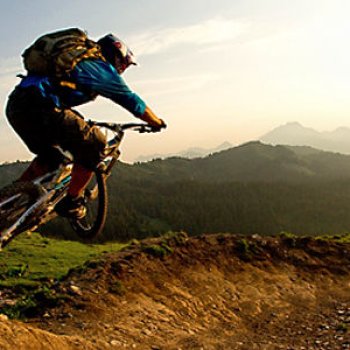
Mountain Bike: How Many Modalities Are There?
Mountain biking (MTB) is considered an Adventure Sport, a competitive cycling done on natural circuits, usually through forests on narrow paths with steep climbs and very fast descents. In Peru, we have many routes for practicing cycling, here are some highlights. Some specialties and competitions are regulated by the UCI (International Cycling Union), while others are held in a friendly manner. For the practice of this sport, the use of a full-face helmet, knee pads, elbow pads, back protectors, neck protectors, gloves, and suitable shoes is essential. XC - Cross Country The most popular and common modality of MTB. The one seen in Mountain Bike competitions and practiced by the vast majority of users. That is, it consists of crossing the mountain at high speed, pedaling hard, with the difference that it is mostly done on flat tracks. Types of Bicycles: rigid or full suspension. Suspensions usually have a travel of 100mm and tires between 1.9 and 2.2 in size. XC - Cross Country Marathon Similar to Cross Country, but with much longer routes. Technical climbs and descents and many kilometers of pedaling. Generally practiced in competition, although a ride of more than 60 km can also be considered a marathon. In this modality, the runner's cardiovascular endurance prevails over their technical level. Types of Bicycles: Very lightweight rigid or full suspension bikes. Suspensions usually have a travel of 100mm and tires between 1.9 and 2.1 in size. All Mountain The most popular modality among full suspension bikes. Practically the same as Cross Country, but oriented towards the use of bikes with full suspension systems. A few jumps along the way. It is a MTB modality that appears when we add a more technical and difficult mountain to the Trail, especially downhill. Types of Bicycles: Full suspension bikes. Suspensions usually have a travel between 100mm and 120mm and tires between 2.0 and 2.2 in size. Enduro Variant of All Mountain, with a preference for very technical paths, trails, very technical climbs and descents, and various jumps. It is a competitive MTB modality where there is a greater portion of downhill and uphill sections. Types of Bicycles: Full suspension bikes with reinforced frames. Suspensions usually have a travel between 120mm and 160mm and tires between 2.1 and 2.3 in size. FreeRide and Urban FreeRide Modality based on overcoming natural or artificial obstacles in the mountains, trails, cliffs, streets, cities, or circuits prepared for it. Any type of mountain bike not reflected in these modalities is called Freeride, or free style, which can be competitive or not. Types of Bicycles: Without or with full suspension with reinforced frames. Suspensions usually have a travel between 140mm and 180mm and tires between 2.2 and 2.6 in size. Downhill, DownHill, or DH The competitive downhill. Descending a marked circuit as fast as possible. Body protections, full-face helmets, and a lot of technique. It is a MTB racing modality that consists solely of descending a mountain (or city with steps, ramps, etc.) at full speed. Types of Bicycles: Full suspension bikes with reinforced frames. Suspensions usually have a travel between 180mm and 220mm and tires between 2.3 and 2.7 in size. Tell us, what modality do you practice or would you like to practice? See also: John Tomac: The Essence of Mountain Bike “First cycling rally: Amazon Mountain Bikers Challenge“ Peruvian mountain biking
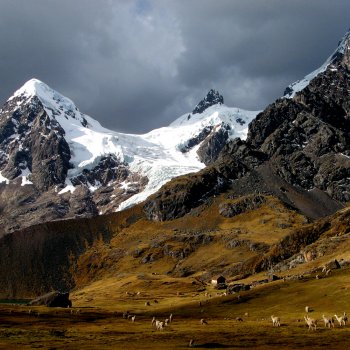
The 11 Best Adventure Mountains in Peru
Many mountaineers and travelers who practice adventure sports come to Peru to engage in outdoor activities and enjoy the breathtaking views of the highest and most beautiful mountains in our country. The highest mountains in Peru 1. Huascarán Mountain: located within the Huascarán National Park (a UNESCO World Heritage Site in Peru). Altitude: 6,768 m. Located: Cordillera Blanca, Yungay province (Ancash). Summit: North peak: 6,555 m and South peak: 6,768 m. Ideal for climbers and hikers. Climbing season: between June and August. Routes: Climbing Huascarán Trekking in Huascarán Source: Sernanp.org.pe 2. Yerupajá Mountain: located in the Huayhuash mountain range in central Peru, access to this mountain is through Huaraz, where climbers head to the town of Chiquián before reaching the mountain. Altitude: 6,634 m. Located: On the border of Ancash, Huánuco, and Lima. Meaning: White Dawn Ascent: challenging, due to its ridges and almost vertical walls. Summit: sharp ridge known as the butcher. Ideal for mountaineers and professional hikers. Source: Junglekey.fr 3. Coropuna Mountain: Part of the Ampato mountain range, located northwest of Arequipa, near Chuquibamba, considered the third largest snow-capped mountain and the highest volcano in Peru. Altitude: 6,425 m. Located: Ampato mountain range in the province of La Unión (Arequipa) Meaning: reflection on the plateau Summit: an ice-covered plateau with six cones settled on it. Routes: Trekking in Coropuna Mountain Climbing Coropuna Mountain Source: maucallacta.com 4. Huandoy Mountain: Located in the Huascarán National Park, in the heart of the Cordillera Blanca. It becomes the second highest mountain in the Cordillera Blanca, next to Huantsán. Location: Cordillera Blanca in the Yungay province. (Ancash) Altitude: 6,395 m Meaning: Snowy mountain in the shape of a hearth. Access: Through the Llanganuco ravine in Huaraz. Summit: Four peaks of varying heights, rocky surface covered in ice. Routes: Climbing Huandoy Trekking in Huandoy Mountain Source: panoramio.com 5. Huantsan Mountain: Huantsan is the second highest peak in the Cordillera Blanca of Peru, next to Huandoy. It is an incredible and challenging peak to climb. It stands out with a formidable peak that appears imposing and dangerous for mountaineers or hikers. Location: Cordillera Blanca in the Yungay province. (Ancash) Altitude: 6,395 m. Access: From the east side of Huaraz. Summit: Initially appears easy to climb, but gradually becomes more complex as the climb progresses. Recommendation: It is advised to be ascended by climbers with professional experience. Source: wikipedia.org 6. Ausangate Mountain: Located in the Andes mountain range, in a section called Vilcanota mountain range (Cusco). The mountain is one of the most revered and is part of Inca mythology. It is one of the most representative snow-capped peaks for the population because it plays an important role in the pilgrimage festival to the sanctuary of the Lord of Q'oyllur Riti. Location: 100 kilometers southeast of the city of Cusco. Altitude: 6,384 m. Access: Through the town of Chilca. Route: 5-day hikes to the snow-capped peak. Recommendations: The "Apu Ausangate Trail," at the foot of the highest sacred mountain in the Cusco region Pilgrimage: Part of UNESCO's Intangible Cultural Heritage. Routes: Trekking in Ausangate Climbing Ausangate Source: wikipedia.org 7. Chopicalqui Mountain: One of the highest peaks in the Cordillera Blanca and is located in Ancash. Despite its height, Nevado Chopicalqui is considered one of the least complex peaks to climb compared to others, making it very popular among mountaineers. Location: Yungay province (Ancash) Altitude: 6,345 m. Access: From Huaraz to the camping area in Yungay. Through the Llanganuco ravine Summit: Snow-capped peak. Season: From June to August. Routes: Climbing Chopicalqui Source: rarewallpapers.com 8. Siula Grande Mountain: Located in the Huayhuash mountain range, on the border of the Lima and Huánuco departments. Known not so much for its size but for the film made about it; the story of the book Touching the Void. Location: Huayhuash mountain range (Between Lima and Huánuco) Altitude: 6,344 m. Secondary peak: Siula Chico at 6,260 m. Access: West face of the mountain. Descent: Through rappelling on the west side. Source: skyscrapercity.com 9. Chinchey Mountain: The Chinchey and Palcaraju snow-capped peaks are located in the Cordillera Blanca (rising to the east of the city of Huaraz) and are part of Chinchey. The two summits are a few kilometers apart. Location: Cordillera Blanca (Huaraz). Chinchey Altitude: 6,309 m. Palcaraju Altitude: 6,274 m. Access: Near the city of Huaraz in the camping area. Palcaraju Summit: Three peaks connected by rugged ridges. Difficulty: The central summit has about six routes recognized as extremely difficult for inexperienced mountaineers. Routes: Climbing Chinchey Trekking in Chinchey Source: google.com/images_chinchey 10. Ampato Mountain: Located 60 kilometers northwest of the city of Arequipa. It is one of the highest mountains in the southern extreme of Peru. Ampato is particularly famous for the discovery of frozen and mummified remains of an Inca girl: Juanita the Ice Maiden. Location: Ampato mountain range (Arequipa) Altitude: 6,318 m. Meaning: "Toad" due to the silhouette of the volcano. Access: - East side, normal route, east face, traverse through the north summit ascent approximately 7 hours. - East side, climbing slope; southeast ridge. Ascent in 9 hours, descent in 4 hours. - West side, Mucurca - Cabanaconde route. Duration of 7 days, round trip. Summits: The north, over 6150 m above sea level, and the south and main, at 6288 m above sea level Surface: Rock and snow. Volcanoes Nearby: Sabancaya and Hualca Hualca Route: Climbing Ampato Mountain Source: madteam.net 11. Salcantay Mountain: Salcantay is considered the tutelary Apu of Cusco because to reach the snow-capped peak, you will cross beautiful landscapes, observe alpacas and condors in their natural habitat. It is not the highest in the area, but it is the most splendid. From there, you can take the Inca route to Machu Picchu. Location: Vilcabamba mountain range (Cusco) Altitude: 6,271 m. Access: There are two possibilities. - The first circuit starts from Km. 88 of the railway line to Machu Picchu and is the beginning of the Inca route - The second starts from Mollepata. Salkantay attracts experienced climbers and occasional hikers. Recommendations: Requires a lot of physical endurance. Source: toursperumachupicchu.com See also: 4 tips for cleaning your mountain boots One of the 10 best trekking routes in the world is in Peru Share your mountain adventures at De Aventura
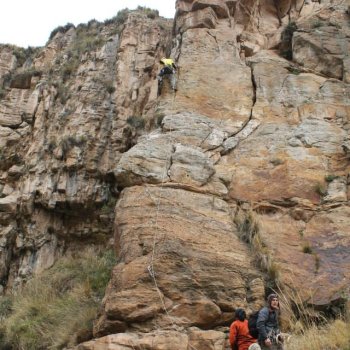
Several tourists arrived at the RockFest 2014 Festival in Valle Dorado Huayhuay, La Oroya.
On this occasion, the RockFest 2014 festival is taking place in Huayhuay, located in the center of the Golden Valley at 3700 meters above sea level, 20 minutes from La Oroya in the department of Junín. Photo: Dillman Delgadola In the Golden Valley of Huayhuay, you can appreciate beautiful landscapes, including the districts of Huari, Huayhuay, Chacapalpa-Colpa, and Suitucancha. As well as the potential for rock climbing and adventure sports in general. Photo: VIDA en la Oroya Youtube video: Vida - Arturo Alfaro The first RockFest 2014 event hosted over 60 tourists from countries such as Germany, Czechoslovakia, Spain, France, Colombia, Venezuela, and Chile. And more than 800 visitors from all over the country who participated in a festival of rock climbing, artistic activities, and sports such as cycling, hiking, local gastronomy, mountain biking, slacklining, highlining, trekking, tourism to archaeological sites, baths in thermal waters, camping, and activities for the whole family. Photo: Base Camp Perú Photo: VIDA en la Oroya This adventure sports spectacle was organized by the NGO VIDA Base Camp Perú (President Arturo Alfardo), the Municipality and community of Huayhuay, and the company Doe Run Perú, on June 28 and 29. This RockFest festival has been developed with the aim of rediscovering the tourist attractions, natural riches, historical, and archaeological of this province. Since it has been labeled as one of the most polluted cities in the world. But that is changing, now La Oroya is starting to be known as a new tourist destination and for the practice of various adventure sports. Photo: VIDA en la Oroya See also: Cordillera Blanca Mountaineering Festival 2014 De Aventura: 2014 Summary
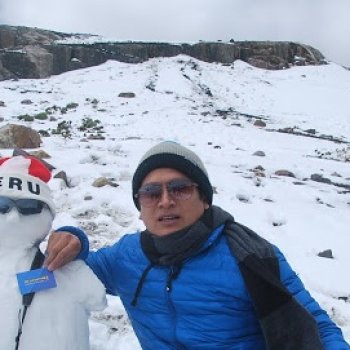
Andean Mountaineering Festival Cordillera Blanca 2014
As every year, the Cordillera Blanca mountaineering festival was celebrated in Ancash. This tourism promotion event aims to boost the local economy in favor of its population through various adventure sports competitions. Once again, the city of Huaraz and the Huaylas Valley were the setting for the Cordillera Blanca mountaineering festival. Panoramic view of Caraz city The schedule started as follows: June 27th The Aeroton competition, organized by Save the Rajus and the Caraz municipality, started at 09:00 am in Caraz, including a marathon, paragliding, and biking. The grand Opening inauguration started at 08:00 pm in Huaraz, organized by Save the Rajus. A mountain cinema projection organized by Save the Rajus started at 09:00 pm in Huaraz. Paragliding in the heights of Caraz. Aerothlon in Caraz Youtube Video: TiempoXtremo June 28th The Sky and Snowboard competition started at 09:00 am at Nevado Pastoruri, organized by Save the Rajus. The indoor rock climbing competition started at 08:00 pm at the main square of Huaraz, organized by Save the Rajus. A mountain cinema projection started at 08:00 pm in Huaraz, organized by Save the Rajus. Journey to Pastoruri. Snowboard demonstration on the slopes of Pastoruri. Youtube Video: BuenosDiasPeruPTV June 29th IX Festival Tour: All these activities took place in Willcahuain in Huaraz, organized by Save the Rajus. National Cross Country Competition at 10:00 am Downhill Competition at 12:00 pm Cordillera Blanca Mountaineering Festival Award giving and Closing Ceremony at 03:30 pm Closing Rock concert at 03:30 pm Downhill in the heights of Wilkawain Cross Country in the heights of Wilkawain Youtube Video: De Aventura Let's keep supporting these kinds of events to promote adventure sports and adventure tourism in Peru. Photos: deaventura.pe See also: Several tourists arrived at the 2014 RockFest Festival in Valle Dorado Huayhuay, La Oroya Adventure sports enthusiasts
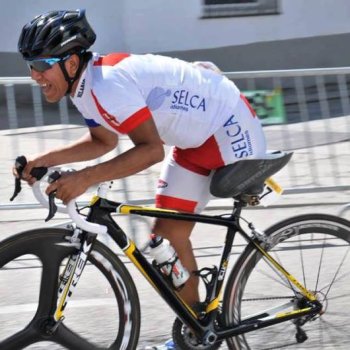
Peruvian cyclist with disability wins silver medal in Spain
Peruvian cyclist Israel Hilario Rimas wins Silver in Spain and gets closer to the Rio de Janeiro 2016 Paralympic Games. For cyclist Israel Hilario Rimas, his disability was not an impediment as he achieved second place in the 10 km time trial and the 7 km uphill time trial, competing against the international elite of paralympic cycling from over 12 countries. He earned the silver medal at the XVIII Para-Cycling Bizkaiko Bira in Spain, accumulating points in the UCI ranking to qualify for the Rio de Janeiro 2016 Paralympic Games. Results of the 2014 Para-Cycling competition Men's Elite XVIII Paracycling Bizkaiko Bira (ESP/C1) C2 - General Classification 06 Jul 2014 Results: Rank Name Nat. Age Result PaR PcR Ranking 1 Maurice ECKHARD TIO ESP 31 1:59:40 15 15 C2 - Road 2 Israel HILARIO RIMAS PER 40 2:00:51 13 13 C2 - Road 3 Victor Hugo GARRIDO MARQUEZ VEN 48 2:03:22 11 11 C2 - Road Source: https://www.uci.ch/ Age: according to UCI regulations PaR: UCI points according to the range PcR: UCI points calculated in the Ranking Hilario Rimas, from Huanuco, with a disability in one of his legs, is part of the Athlete Support Program (PAD) of the IPD. The Huanuco native won the silver medal in the overall C2 category. "This great triumph is the result of hard work, dedication, and the collaboration of the IPD, Selca idiomes de Sabadell, and Challenged Athletes Foundation," stated the athlete. What is Para-Cycling? Para-Cycling is a competition that includes four Groups of disabilities: Participants who are blind and visually impaired Participants with cerebral palsy Participants with locomotor system disabilities Participants with tricycle disabilities and a total of 14 functional categories for both men and women in all age categories. The UCI defines functional categories for men and women of all ages. Participants are assigned to the appropriate category based on their functional ability. The main events include: World Championships Paralympic Games World Cup Para-Cycling is officially administered by the UCI (Union Cycliste Internationale), and this discipline is divided into road and track for a total of seven events: ROAD EVENTS: Road Race (men and women) Individual Time Trial (men and women) Handcycling Relay TRACK: Tandem Sprint (men) Team Sprint (men and women, mixed event) 500m Time Trial (men and women) or kilometer Time Trial (men and women) Individual Pursuit (men and women) The Paralympic medalist is focused on his next two challenges. The first will be the Para-Cycling World Cup, to be held from July 25 to 27 in the city of Segovia. Hilario won the bronze medal in his MC2 category in the first event of the Para-Cycling World Cup in Italy. At the Road Cycling World Championship, which will take place in Greenville (USA) from August 28 to September 1, he will seek qualification for the Paralympic Games. Hilario said: "Now I need the support of all Peruvians. Do not exclude me from society, as I will continue to fight for this dream of representing Peru and telling them that 'Disability is not Inability'." Source - information - Photo: https://www.ipd.gob.pe/ See also: Sebastián Alfaro: A Rocket on Wheels Mountain Biking Adventures
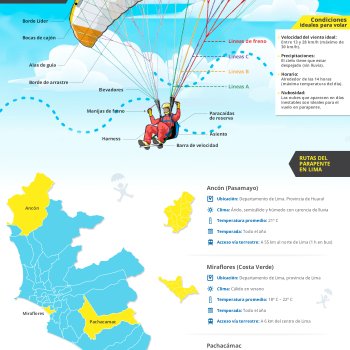
Experience the thrill of flying: Paragliding Infographic
Paragliding is an activity practiced by many Peruvians, and it consists of being in a mountainous area that is exposed to the winds. In this paragliding infographic, you will learn more about the parts and accessories used in paragliding, ideal flying conditions, and routes in Lima. Parts and accessories used in paragliding: Leading Edge Risers Guide Lines Trailing Edge Risers Brake Handles Harness Speed Bar Seat Reserve Parachute A Lines B Lines C Lines Brake Lines Ideal flying conditions: Ideal wind speed Precipitation Time of day Cloud cover Routes for paragliding in Lima: Paragliding in Ancon - Pasamayo Paragliding in Miraflores - Costa Verde Paragliding in Pachacamac Where in Lima have you practiced this adventure activity? See also: Speedriding: Combination of Paragliding and Skiing Paragliding Adventures
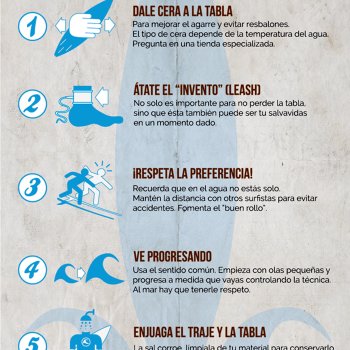
5 Tips for Surfing
Everything you need to know if it's your first time doing Surfing, an adventure water sport, useful tips: Wax the board Attach the "leash" Respect the right of way Progress gradually Rinse the wetsuit and board See also: Extreme Versatility: Surf on snow and ski on waves Jet Surf: Surf at full throttle
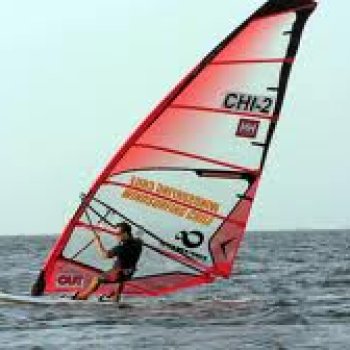
Windsurfing, a sport that sets you free from stress
The windsurfing, windsurf, or sailboarding is a form of sailing sport that involves moving across the water on a board somewhat similar to a surfboard, equipped with a sail. In Huarochirí, 103 KM from Lima, a reservoir called Yuracmayo has been formed, an ideal lagoon for the practice of any watersport combined with wind - windsurfing, kitesurfing, and stand-up paddle - and also enjoy adventure sports such as rock climbing, outdoor trekking, and mountain biking amidst an impressive landscape. Practicing these watersports combined with wind is perfect to free yourself from the hectic city life you lead. Whether on the coast, in the mountains, or the jungle, "there will always be an opportunity to engage in a sports activity that will take you to the edge of excitement and the border of risk." See also: Víctor Fernández: The King of Windsurfing
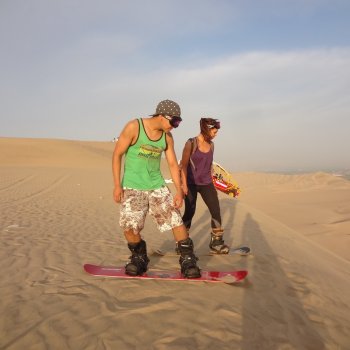
Discover the Southern Peru dunes, perfect for sandboarding!
The south of the country has impressive dunes ideal for visiting and practicing adventure sports like sandboarding. Sliding down its sands on boards, enjoying its imposing dunes, and feeling generous doses of adrenaline is an incredible sensation. Visiting the south of the country is an opportunity to appreciate natural environments and engage in adventure tourism. Among the most spectacular dunes in Ica is the largest dune in South America, Cerro Blanco Dunes (located in Nasca and measuring 2080 meters), and the Great Dune, also known as “Cerro Marcha”, due to the sound the wind makes as if they were trumpets. Data: Cerro Blanco rises 2,087 meters above sea level in the Nazca Valley. The "Cerro Marcha" is located in the district of Vista Alegre in the province of Nazca, department of Ica. The city of Nazca is located 455 km south of Lima. Recommendations: For this excursion, it is necessary to wear light clothing, especially if the excursion is during the summer months (December to March), where the average temperature is 35ºC during the day. It is recommended to wear good hiking shoes and medium-thick socks. Likewise, it is advisable to bring water, a hat, and sunscreen. See also: 9 tips for practicing Sandboarding correctly. Experience the adrenaline of sandboarding in Huacachina
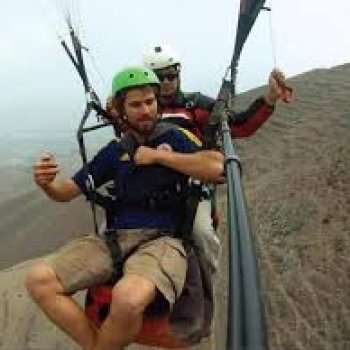
Feel safe with tandem paragliding flights
The tandem flights are those carried out in a paraglider designed to accommodate two people: an instructor and a passenger. In these flights, you will have the confidence that comes with traveling with an instructor by your side, accompanying you for approximately 10 minutes, which is the duration of the ride high up in the air. No prior knowledge is required, just an explanation before takeoff, making this the easiest and safest way to fly. The tandem flight serves as an introduction to the Paragliding Initiation Course. There are two places where tandem paragliding flights are practiced. In the district of Miraflores and in Pachacamac. The paragliding flight on the Costa Verde in Miraflores lasts about 10 minutes. The paragliding flight in Pachacamac lasts around 15 minutes. Pachacamac offers an impressive view, attracting the attention of local and foreign pilots, and is the location where the national paragliding championship is held every year. See also: Nothing better than flying paragliding over the Lima coasts Paragliding: Elements and Flight Phases
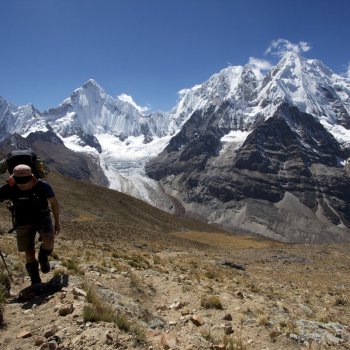
One of the Top 10 Trekking Routes in the World is in Peru
Visiting the Huayhuash Mountain Range is a fantastic journey, full of diversity, lagoons, and snow-capped peaks of unparalleled beauty, but it is also an ideal setting for trekking or hiking in the world. Located in the central part of Peru, between the departments of Lima, Áncash, and Huánuco. The Huayhuash Mountain Range is considered one of the top 10 favorite places for tourists to go trekking. Every year, from May to October, the tourist season, the mountain range welcomes over five thousand tourists, including Germans, Austrians, English, and French visitors, who come to hike the more than 147 kilometers of its circuit on a trek lasting 12 to 14 days. See also: The 11 best adventure mountains in Peru The White Mountain Range, a perfect setting for mountain climbing enthusiasts
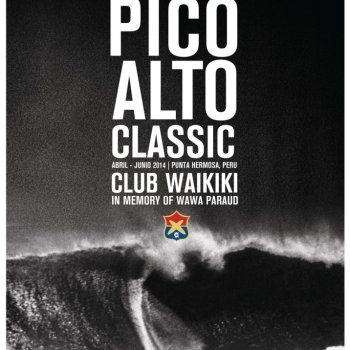
National Surf Tournament: Pico Alto will take place from April 1st to June 30th.
In tribute to the late three-time national surfing champion of kitesurfing, “Wawa” Paraud, and with the aim of promoting surfing practice in our country, Quiksilver Peru and Club Waikiki announced the holding of the Pico Alto Classic in Punta Hermosa from April 1 to June 30. The participation of the best national surfers is expected at this event. The Pico Alto wave is the largest in South America and has attracted the best national and international surfers since 1965, when pioneers Miguel Plaza, Joaquín Miró Quesada, and Francisco Aramburú rode it. See also: Surfing at Pico Alto Beach Rob Machado: Surfing with Style and Aloha.
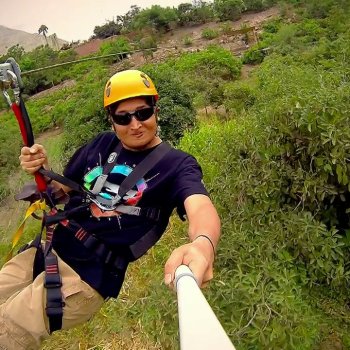
The longest zipline in South America is in Lunahuaná
Canopy is an adventure sport that involves sliding between trees, secured with a harness to a cable that runs through a portion of forest and jungle. The longest canopy route in South America has been installed over the Cañete River, located in Lunahuaná, province of Cañete, in the department of Lima. Its 2500 meters in length give it this recognition, already known by locals and tourists who seek to experience the adrenaline of flying over the Lunahuaná Valley. Start of the longest canopy route in South America: The route begins in the high part of the town of San Jerónimo and ends a few minutes later near a ropes course. The "canopy" originated in Costa Rica for exploratory purposes. Based on the work of scientists who, in their eagerness to determine the biodiversity and characteristics of the flora of a certain place, attached cables to the treetops, allowing them to make observations at great heights of lush forests. More about canopy in Lunahuaná
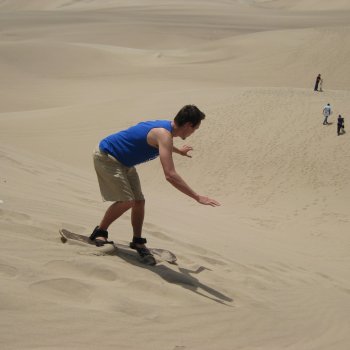
Experience the adrenaline of sandboarding in Huacachina
To practice sandboarding all you need is a special board and the desire to slide down the dunes of a desert. The Huacachina lagoon, located five kilometers west of the city of Ica, stands as a natural oasis amidst the white sand of the desert and is an excellent place for sandboarding practice at Huacachina. The origins of this adventure sport date back to the years 1988-1990 and recall the name of a farmer named Matías Grados Mora, who was its most enthusiastic promoter. Initially, this practice was seen only as a fun form of entertainment, but then the first international championships were formalized, and its true fans turned it into a professional sport. Important information to consider: Rental (standard board): S/ 10.00 (2 hours) Rental (professional board): S/ 30.00 (without instructor) Sand buggies tour (standard board): S/ 50.00 (with instructor) See also: 9 tips for practicing Sandboarding correctly Discover the ideal dunes in southern Peru for sandboarding Sandboarding at Duna Toro Mata
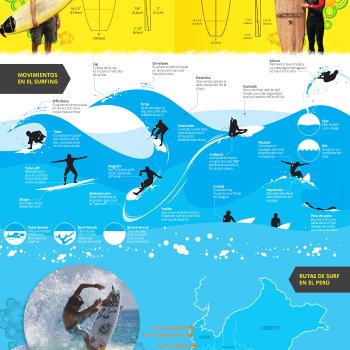
Infographic of Surfing: Types of Boards, Moves, and Routes.
Surfing is a sport of pure adrenaline and water contact. It consists of getting on a surfboard and making a series of movements to master the sea waves. Check out the Life-size surfing infographic See also: Rob Machado: Surf with Style and Aloha. Kite Surfing: A Dream Turned Sport Jet Surf: Surf at Full Throttle
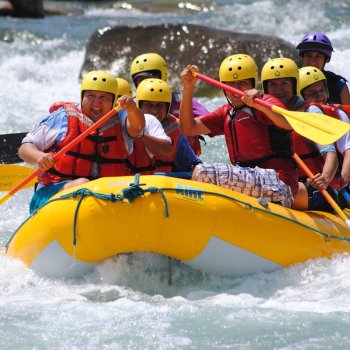
Discover Where to Go Whitewater Rafting in Peru
If you love adventure, you cannot ignore the places for practicing canoeing in Peru. Here is a list of rivers for canoeing Canoeing routes ideal for enjoying this adventure sport. Rafting Cañete River Lunahuana is one of the favorite destinations for canoeing, located just two hours away from Lima. There are routes suitable for both beginners and experienced adventurers. Additionally, you can complement the adventure with the practice of other sports such as rock climbing, mountain biking, or paragliding. Rafting Santa River The routes here vary in distance and difficulty. The most popular routes are: Carhuaz-Mancos, Yungay-Caraz, and Jangas-Anta. This is not only an opportunity to feel pure adrenaline but also to appreciate beautiful landscapes like the Callejón de Huaylas. Rafting Urubamba River It is one of the favorite destinations for canoeing enthusiasts. Located in the heart of the Sacred Valley of the Incas, the area enjoys good weather from April to November, and from December onwards, the rainy season begins, increasing the difficulty of the journey. The journey lasts approximately two hours. Rafting Apurímac River This route requires a lot of physical endurance, as it involves a three-day journey with activities such as river navigation, hiking, and camping. Considered by some foreign publications as one of the best places for canoeing, the Apurímac River is a demanding route. Other Rafting Routes Peru offers many more canoeing options. Some are only suitable during certain times of the year, while others require more time and resources or involve greater risks. There is the Colca canoeing route, optimal during the month of December. There is also the Tambopata canoeing route, which has a high level of difficulty as it starts in Puno and ends in Puerto Maldonado, with a duration of 10 days. See also: Rafting: How to tame the rivers on a boat? Steve Fisher: The master of impossible rivers. Paddling only: What is Va’a and how is it practiced?