
Adventure Blog
Discover tips, experiences and guides for your next adventures
Categories
- Andinismo
- Barranquismo
- Blob Jump
- Buceo
- Canopy
- Canotaje
- Ciclismo
- Consejos
- Deportes de aventura
- Destinos de Aventura
- Entrevistas
- Escalada
- Esqui
- Festivales
- Flyboard
- Infografías
- insight de aventura
- Kite Surfing
- Leyendas de aventura
- Longboard
- Noticias de Aventura
- Otros deportes
- Parapente
- Puenting
- Sandboard
- Slackline
- Surf
- Todo Terreno
- Trail Running
- Trekking
- Ultramaratón
- vaa
- Video de Aventura
- Wakeboarding
- WakeSkate
- Windsurf
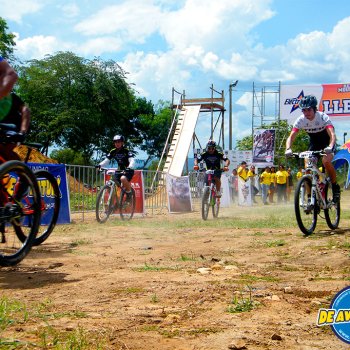
2nd Mountain Biking Rally: Amazon Mountain Bikers Challenge 2015
El pasado fin de semana salimos de Lima, con el fin de llegar a la calurosa y tan querida ciudad de Tarapoto, destino indicado para hacer
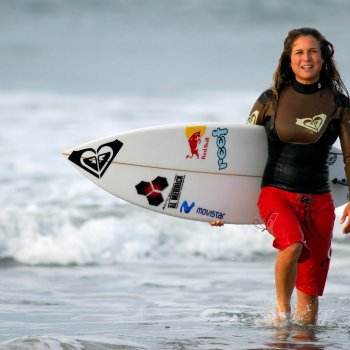
The 10 Best Waves for Surfing in Peru
Summer is about to arrive, surely you are wondering where can I practice surfing? Where are the best tubes? What are the 10 best WAVES for SURFING IN PERU? Peruvian surfing has been a protagonist in important international tournaments, thanks to the performance of our surfers who practice this sport with great passion. A sport that boasts a coastline of over 3000 kilometers bathed by the Pacific Ocean, where incredible waves are born for both beginners and professionals. Let's surf! List of the 10 best Waves for SURFING IN PERU Lobitos Lobitos is located in Talara, province of the Piura department. This beach has become the favorite spot for national and foreign surfers, due to the quality of its left waves, the largest in South America. It has waves like Panic Point and El Hueco (Lobitos) that can reach up to 3 meters, very aggressive waves. We cannot fail to mention that it has days with perfect and magical tubes. Difficulty Level: Intermediate Video: OLASPeruTv - Youtube Cabo Blanco Cabo Blanco belongs to the district of El Alto de Talara, in the Piura department. Considered the best wave for SURFING IN PERU, as its waves form a perfect tube from start to finish. The size ranges from 2 to 3 meters on average, with its largest wave reaching up to 4 meters. It has a perfect tubular left Reef-Break wave. Its proximity to the rocks makes it dangerous and challenging. Difficulty Level: Intermediate – Professionals Video: OLASPeruTv - Youtube Learn more about Gabriel Villarán, the Peruvian surfer Pico Alto Punta Hermosa is a district of Lima located between Kms. 42 and 46 of the Panamericana Sur. This is where this beach with strong, long, and tubular right waves of approximately 8 to 10 meters is located. Difficulty Level: Professionals – Experienced Source: Filmers@Large Peru La Herradura A beach located in the district of Chorrillos, in the city of Lima. It features strong, large, and tubular left Point break waves, with heights ranging from 2 to 4 meters. The recommended season is year-round. Difficulty Level: Experienced Chicama Considered the legendary wave for being the longest in the world. It offers a ride of approximately 2 kilometers long and lasting 2.30 minutes. Chicama is located in the province of Ascope, department of La Libertad. The wave type is Point-Break, with the longest left in the world and 2 meters high. Thanks to the onshore wind, the waves break perfectly all day. Difficulty Level: Beginners – Intermediates Pacasmayo Also located in the La Libertad department, in the province of Pacasmayo. The wave type is Point-Break, long, strong, and well-formed, which can reach heights of 3 to 4 meters, with a 2-kilometer ride. Difficulty Level: Intermediate – Advanced Makaha Located in the Playas de la Costa Verde circuit in the city of Lima. Accessible through Bajada Balta in Miraflores. It is a beach recommended for beginners, with waves of low height ranging from 1 to 2 meters. The wave type is Point-Break, long and well-formed, predominantly featuring right waves. Difficulty Level: Beginner San Gallan An island located in the province of Pisco, department of Ica. The wave type is reef and rock, right-hand direction with strong and fast force. It has a height of 1.5 meters up to 2.8 meters. Difficulty Level: Intermediate Cerro Azul Located in the Lima department, at kilometer 132 of the Panamericana Sur. It features tubular left waves with heights of approximately 2 to 3 meters. It is worth mentioning that the wave usually breaks in front of the sea. Difficulty Level: Beginners - Intermediates 10. Peñascal Located in the district of San Bartolo, this beach is at kilometer 51 of the Panamericana Sur. The wave type is Reef-Break in a right-hand direction, with strong and well-formed force, featuring a tubular section. Its height reaches approximately 4 meters. Difficulty Level: Intermediate Source: Youtube OlasPeruTV - Youtube What are you waiting for to start SURFING IN PERU and share your adventure with us at Peruvian surfers.
14 films and documentaries about adventure sports
We can't always leave the city and enjoy adventure sports, sometimes we have to stay at home, in bed watching series, movies, and eating whatever we crave. Sounds good, right? But you know what would make it perfect? Watching movies about Adventure Sports, which will motivate you for your next adventure, and have a great day at home. This list includes movies about Surfing, Climbing, Mountain biking, Snowboarding, Trekking and even a biography of one of the great legends of these sports. Some you can find on Netflix, others on the web, and if not, you can always search for them in your favorite movie spot. Enjoy! Adventure Sports Videos List Race for the nose (Climbing) This film tells the story of Dean Potter and Sean Leary's speed climbing race to establish the record for reaching the "Nose" of El Capitan in Yosemite Valley in November 2010. Dean and a group of climbers climbed 31 routes in 2 hours, 36 minutes, and 45 seconds, just 20 seconds faster than the previous record set by Yuji Hirayama and Hans Florine. A must-see for rock climbing enthusiasts. The crash reel (Snowboard) Friends and rivals, Shaun White and Kevin Pearce, childhood friends competing for 15 years for top positions in Snowboarding worldwide. The 1st and 2nd in the world push each other to perform better tricks, all good until Kevin almost loses his life in City Park trying a new snowboarding trick. While White wins gold at the Olympics, Pearce will struggle to recover and see if he can return to this adventure sport. The last great climb (Mountaineering) This epic mountain expedition story is the work of director Alastair Lee. In this story, we follow Jason Pickles and Sean Leary's excursion in their attempt to reach the summit of Ulvetanna (Antarctica) for the first time at an altitude of 2931 meters. This mountain is one of the most technically difficult to climb in the world and was discovered in 1994 as one of the few remaining unclimbed peaks. Learn about its history and the outcome of this adventure. The search for freedom (Surf) It's the story of a cultural revolution driven by the human desire to live in the moment and do what makes you feel most alive. Discover how a new and electrifying world emerged through pure energy and imagination and the endless possibilities of free expression available to anyone who lets themselves be carried away by senses and emotions. Written and directed by Jon Long, it's an experience told through the eyes of some of the pioneers, legends, and champions of surfing, snowboarding, skiing, skateboarding, mountain biking, and much more. Heavy waters (Surf) This film, directed by Michael Oblowitz, tells the story of Nathan Fletcher, a legendary surfer raised in a family that lives surfing like no other due to his achievements in riding giant waves (Big Waves). At 11, Nathan was already a prodigy in this adventure sport, and at 23, he scored two "10s" at Teahupo'o, one of the most exotic and challenging beaches on the planet. This film was awarded at the last film festival in San Sebastián (Spain). It's a fantastic adventure sports film, so you can't miss it. Everest (Mountaineering) The latest major film production about Outdoor and adventure sports, narrating the ascent of an exploration to the top of the world's highest mountain, when suddenly, the whole mountain starts shaking and coming down. The characters' reactions and their survival methods in the face of this catastrophe will make you tremble and feel all the hostility of an almost impossible snowy peak to climb. Where the trail ends (MTB) This film is considered one of the best films for mountain bikers and freeriders. The footage takes us through the search for terrain never before ridden by cyclists, hence the name "Where the Trail Ends." This project is one of the most progressive in the history of the sport and has been highlighted for its radical injection of adventure, innovation, and risk in its journey. 180° degrees south (Adventure) This documentary directed by Chris Malloy tells the incredible adventure of Jeff Johnson through Patagonia, in an attempt to repeat the journey made by Yvon Chouinard and Doug Tompkins in 1986. The main goal of the expedition is to reach the top of Corcovado; however, along the way, the focus will shift to the wild area of the region. Would you like to get to know Patagonia? Start with this film. Touching the void (Peru) Documentary based on Joe Simpson's book, taking us on a journey through the Huayhuash Range (Peru) and the adventure experienced with Simon Yates. Both climbers will attempt to climb the 6344 meters of Siula Grande. The ascent is almost fatal due to the conditions and accidents they face during the journey, carried out in 1985. Would you like to see Peru as a location for an adventure sports film? This is your chance. Into the mind (Adventure) This story goes beyond the cinematic, behind all the staging it brings us a message of human overcoming and resilience. Adversity and the decision to face your fears and persevere until you achieve your goals. Into the mind is a film that speaks not only of physical effort but of mental effort, therein lies the true essence of this documentary. If you are a person of challenges and challenges, you can't miss it. 127 hours (Adventure) This is one of the most popular films about expeditions and outdoor sports. Starring a young James Franco as a fearless mountain explorer and climber in the United States. Franco faces an extreme situation in one of his explorations, leading him to make decisions that very few would dare to make. The film is based on the real story of Aron Ralston and his feat in the mountains of Utah. The art of flight (Snow) Documentary produced by Red Bull, which brings together a group of the best snowboarders on the planet, including Travis Rice, to take them sliding down almost inaccessible peaks in Canada, Alaska, Chile, and the United States. Directed by Curt Morgan and shot with a Gopro camera, this film will leave you speechless. Shane McConkey (Bio) A name with a lot of history behind it, Shane McConkey, a legendary athlete in adventure sports, especially Freeski and Base Jump. This American has made over 15 Outdoor films and is remembered for standing firm to achieve his dreams. Talent and courage mixed and channeled to face challenges and inspire many people to follow their path and never give up on what they want. Into the wild (Adventure) If you have that adventurous and globetrotter instinct within you, this film will take you to the next level. Directed by the famous Sean Penn and based on Jon Krakauer's 1996 bestseller. It tells the story of a boy who decides to distance himself from society in search of a more natural and material-free life. If you identify with this or are looking to embark on a life-changing journey, take some time to enjoy this film. There are many ways to enjoy adventure, and one of them is by sharing your adventures.
![[Interview] Diego Meza: Adrenaline from the highest Bungee jumping in Latin America](https://en.deaventura.pe/app/public_root/imgs/blog/uploads/thumb_Portada-Diego-Meza.jpg)
[Interview] Diego Meza: Adrenaline from the highest Bungee jumping in Latin America
Diego Meza Cuadra is an athlete with many years of experience in non-traditional sports such as paragliding, rafting, trekking, and bungee jumping. He currently manages the adventure park Action Valley in Cusco. His first bungee jumping experience was at 17, but adrenaline and adventure sports have always been part of his life. Learn more about his story and about Bungee Jumping at De Aventura Photo: Action Valley Share with us, what experiences do you have in Adventure Sports? Well, I've been practicing adventure sports since I was little. When I was 6 or 7 years old, I was already climbing trees with ropes and jumping wherever I could. Professionally, I started with José Rosas, a very good friend. We did bungee jumping from hot air balloons, paragliding, water sports, everything related to adrenaline. Currently, as a company, what we seek is to learn from the past and provide the best safety to people. How did you get into the world of Non-traditional Sports? Since I was 6 or 8 years old, my uncle, who was a military instructor, took me and we jumped from the command towers. It was something that always caught my attention; I never liked soccer. I wasn't the one leading a soccer team; I was the one leading a trip somewhere to explore. Photo: Action Valley How did the idea of creating the adventure park Action Valley come about? This idea came up when we were paragliding and doing bungee jumping from hot air balloons with José Rosas for almost a month in Cusco. One day we passed by a place, and he said to me, "Look, we can set up a Bungee Jumping here." It seemed crazy to me, but time passed, and while I focused on my work, he focused on his. One day he called me and said he had the location and it was time to start the project. It took its time; the start was slow. The market study told us that the project was seen negatively because everyone thought Peruvians were informal, did anything, had old equipment; and we decided to change that image and offer something better in Peru than what was available abroad. José is a safety expert, and I am someone who practices these sports and likes to be sure of what I do. We started working with agencies, suppliers, types of equipment, and it started moving forward since 2002. What we created was the concept that Peru is very safe. What activities are carried out in the park? And what does each one entail? In the park, we currently have the highest Bungee Jumping in the world at 3600 meters above sea level. We have a 122-meter free fall jump, which is the highest in South America and was the third highest in the world when we opened it. We have Slingshot, the opposite of Bungee, which is a sky shot of 130 meters in 3 seconds; there is nothing like it in the world. It is the highest in the world and has a special system for it. Then we have Paintball on a 5000 square meter field, a 36-meter climbing pole, and at the end, you must stand on a 30-centimeter platform. We will also have a climbing wall and, as Action Valley, we offer Outdoor activities: Paragliding, Rafting, ATV, Biking. What is needed to practice Bungee Jumping? First and foremost, you must be in very good physical condition, without injuries in the lower or upper limbs, heart problems, hypertension, or pregnancy. The important thing is to be an ordinary but healthy person; you must want to overcome the fear, as that works very well. At Action Valley, all you need to think about is being able to do it because safety measures are in place. What is the most difficult moment in this sport? The most difficult moment is when you lift your feet off the ground. The fall, the bounce, and the descent are beyond your control; the hardest part is making the decision to jump. Some people do it, some people are born to jump, some are not born but want to, and those are the ones that matter, those who want to overcome that fear. Photo: Action Valley How do you motivate people to overcome their fear and jump? From the moment a person arrives and makes the decision, they are already being observed. How they behave, how they move, where they look, a series of questions are asked, they are distracted. The more distracted they are, the better it works because they don't focus too much until they are given instructions. All kinds of people come through here, and we have to know how to deal with them; they can be adventurers, suicidal, negligent, and we must know how to handle them with well-trained staff. What mistakes are made when practicing this sport? Well, in all adventure sports, there are risks; the idea is to minimize all risks, try to eliminate all types of risks. The idea is to follow instructions because when adventure sports are practiced incorrectly, problems arise, fractures occur because you go beyond your limits. Our idea is for you to enjoy to the fullest and have the most excitement while we are calm in what we do. I prefer to personalize it, get to know the person, and build trust as if every person jumping were my child. Photo: Action Valley What can you tell me about the Bungee Jumping Association? What the Bungee Jumping Association does is prevent informality in the country. Many make the mistake of thinking this is easy, not at all, there is a lot of work behind this. The idea is to prevent accidents through training, manuals to see what can and cannot be done, just as it was done with paragliding years ago. In which other Latin American countries is this sport practiced? In New Zealand quite a bit, in South Africa, the highest in the world is there, in Canada, there are Bungee Jumping sites like swimming pools in Asia. We are good friends with people from Canada, and they visit us often, but when they arrive, they are surprised because they have the idea that we are informal and all that. Now there are different profiles of people who practice these sports; before, it was the classic adventurous young people; today that has changed, now it's entrepreneurs, children, older people, many women, who are usually braver and less stubborn than men. Photo: Action Valley How would you describe the feeling after jumping? Let's break it down into four parts: Before, When you are about to jump, When you are falling, and After you jumped. Before, a lot of fear, it's normal, the idea is to overcome it; When you are about to jump, we try to give them confidence to focus on making the jump. Making the decision is very difficult; many manage to do it. I think it's a moment when your body and mind tell you not to do it, but your decision wants to win. When you fall, it's a lot of fun; everything is designed for each person according to height, weight, and external factors. And when you finish, the adrenaline is at its peak, you feel very good for overcoming your fear, you're happy, you want to tell everyone, and at night you'll sleep like a baby. Photo: Action Valley The experience is very pleasant; the idea is to change the concept that it's crazy, it's a very demanding sport, both physically and mentally, a lot of concentration, having truly qualified instructors. What would you say to all the people who want to practice Bungee Jumping and other adventure sports? I would tell them that cheap ends up being expensive, that they should search, inform themselves, listen to opinions, and choose well who they do these sports with. Safety and adventure sports go hand in hand. Sometimes excitement overcomes us, and we try to go beyond our limits. The ideal is to enjoy what we do but with total security in what we are doing: Let our excitement not distract us from our focus. Now you know where to find that extreme adventure you've always dreamed of. What are you waiting for to jump?
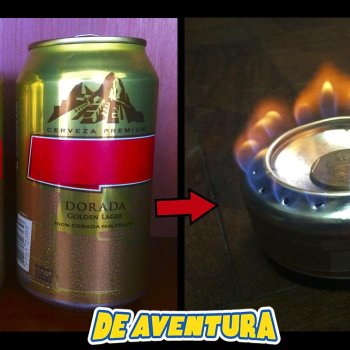
Adventure Survival: How to make a kitchen with 2 aluminum cans
The survival instinct of the human being prevails over other essential instincts, this reflex act tends to emerge in complex situations where we leave our comfort zone and find ourselves in an unfamiliar environment. This time we will show you how the survival instinct and the adventurous spirit get you out of trouble. Let's imagine that we go on one of our Adventures outside the city, for a couple of days or more, and the place we are going to, as usual, is far from everything. Night approaches and it's time to warm up and cook something. What do we do? For this occasion, we will create a kitchen that keeps the fire alive, with just a couple of aluminum cans and other implements, without the need to be an expert in survival. What do we need? - 2 aluminum cans. - 1 marker or pen. - 1 scissors or cutter. - 1 small sandpaper. - 1 nail. - Alcohol and Lighter. - Cotton or Fiber. How it's done? Steps to follow for our survival: Step 1: Take a can, measure two or three centimeters from the base and draw a line around the can. Then, turn it over, cut it with a blade, and use scissors to follow the line; When finished, sand the edges so you don't cut yourself when using it. Repeat this step with the other can. (Don't throw away the rest of the can) Step 2: Inside ONE of the bases we cut, insert the leftover part of the can vertically, exerting gentle pressure to widen base 1. We will make a couple of cuts on base 2 so that it can adapt to base 1. Step 3: Now, take base 2 and with a nail make small holes around the edge and in the center of the upper base. Alcohol will be introduced through these holes for the cotton to absorb. Step 4: Now that we have both bases ready, place some cotton or fiberglass inside base 1 as if it were an insulator and close it with the other base without leaving openings. Base for the kitchen: With what's left of the can, we will make a base to light the kitchen. We will cut a strip 13 to 14 cm long and make small cuts at each corner, roll it up and secure it with the slots we made. We use the other end of the can as a base to pour the alcohol. Step 5: With a lighter, ignite the base and heat the bottom of the kitchen, so the alcohol can evaporate. Then light the burner in the center of the surface. *Once the flames appear, you can place a coin in the center of the top part, like a burner, so the fire remains even. Now we have a kitchen that will help us throughout our adventure trip. If you need more tips for travelers, JOIN us and visit our Blog.
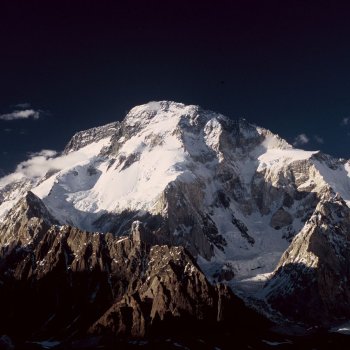
What do the names of the world's highest mountains mean?
Have you ever wondered what the names of the highest mountains in the world mean? The highest mountains in the world, also known as 'Eight-thousanders' or 8K, are renowned not only for their conditions, shapes, and incredible heights but also for the names they bear. Many mountaineers and adventure sports enthusiasts, including Hiking and Climbing enthusiasts, recount that each 'eight-thousander' carries rare names, full of historical, poetic, and even sacred meanings. Do you want to know what each name of these mountains means? Find out in this De Aventura post. Himalayas Photo: Taringa Mountain Names: Everest, the tallest mountain on the planet at 8,848 meters above sea level, is called by various names. Everest is the most common, a name given in 1865 in honor of the surveyor George Everest. However, it was discovered that in the Darjeeling language it was known as Deodungha, 'Sacred Mountain'; Additionally, in Tibet, this mountain was known as Chomolungma, meaning 'Mother of the Universe'. In 1960, the Nepalese government established a new name for Everest: Sagarmatha, which translates to 'Forehead of the Sky'. Everest Photo: Mountaintravelphotos The K2, the second highest mountain in the world at 8,611 meters above sea level, is named thanks to the geographer Thomas Montgomerie, who used "K2" to denote the most distant peak from the Karakoram glacier, hence the use of "K" in the name. In China, it was known as Qogir, derived from the word Chogori, which means nothing less than 'Great Mountain'. K2 Photo: Summitpost The third highest mountain on earth is Kangchenjunga at 8,586 meters above sea level. This name derives from the meaning 'The five treasures of the snows'. This phrase comes from the words Kang (Snow), Cheng (Big), Zod (Treasure), and Nga (Five), all referring to the five peaks of this mountain. Each summit is assigned a treasure from God: gold, silver, gems, grain, and sacred books. Kangchenjunga Photo: myhimalayas Makalu at 8,516 meters above sea level is the fifth highest mountain among the 'eight-thousanders'. One of its characteristics is the dark rocky pyramid shape that makes up its geography. Hence, it is called 'Black Mountain' or 'Makalungma'. Makalu Photo: Wikipedia.org The seventh and eighth highest peaks in the world are Dhaulagiri at 8,167 meters above sea level and Manaslu at 8,163 meters above sea level. Both have their names originating from the Sanskrit language, describing them as 'Dazzling Mountain' (Dhwala = Dazzling and Giri = Mountain); And Mountain of Spirits (Mansa = Soul) or Kutang. Dhaulagiri Photo: Cho.oyutrekking Ranked ninth among the world's largest mountains is Nanga Parbat at 8,125 meters above sea level, known for its name's literal connotation, reflecting its geography. Known as 'Naked Mountain' in reference to its prominent presence in a rather isolated environment. Nanga Parbat Photo: Revista Oxigeno The Gasherbrum 1 (G1) is one of the two mountains hosting the Gasherbrum glacier. This peak (G1) is one of the most elevated and beautiful on the planet at 8,080 meters above sea level. Its name naturally translates to 'Shining Wall,' but its true origin comes from the Balti words: Gasha (Beautiful) and Brum (Mountain), with its correct translation being 'Beautiful Mountain'. Other names given to G1 are: K5, Hidden Peak, and Moravi 1. Gasherbrum1 Photo: Mountaintravelphotos Initially, the mountain Broad Peak, the twelfth highest in the world, was known as K3 thanks to Thomas Montgomerie, who named it during his 1856 expedition. By 1892, it was renamed Broad Peak (Wide Peak) due to its summit being nearly a kilometer and a half wide. Broad Peak Photo: Summitpost The Shisha Pangma is the fourteenth highest peak in the world at 8,027 meters above sea level, with many hypotheses about its name. Some, like geologist Toni Hagen, attribute the name of this mountain to the Tibetan words Shisha (Crest) and Pangma (Grassy plain), clearly resulting in a meaning of 'Crest above the grassy plain'. Others give it the name Gosainthan, which in Sanskrit means 'Abode of God'. Shisha Pangma Photo: Imagesci Now that you know more about the meanings of the names of the world's highest mountains, can you imagine what the names of mountains in Peru mean? Don't worry, we'll save that for the next De Aventura post.
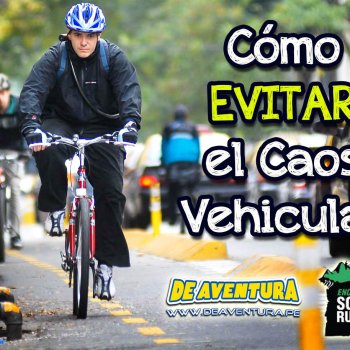
Cycling as an alternative means of transportation
Biking as an alternative means of transportation! Hello Adventurers, we know that every day we lose a great deal of our time stuck in the middle of traffic chaos. Andrew Younghusband, a correspondent for Discovery Channel, did a report a few years ago on the traffic and vehicular congestion in Lima. Faced with this chaotic problem, our friends from 'Encuentros Sobre Ruedas' decided to find a solution; And the truth is all you need is a bicycle and the willingness to pedal. If you practice Cycling, this article is essential for you. Of course! Not everything is as nice as it seems, so don't miss all the details of this article with Peter Love and Encuentros Sobre Ruedas. Biking as an alternative means of transportation Block 1: In this program, we wanted to revalue biking as an alternative means of transportation and always through constructive criticism, we show the problem and provide the solution. Join us in this first block, yes sir! Block 2: We continue to travel through different bike lanes in Lima, encountering a series of obstacles and complex situations in the daily life of the urban cyclist... We share some reflections and also highlight the municipality that, from our point of view, is working best in this area. We are referring to the municipality of San Borja. Join us. Block 3: In this third block, we talk with Susana, who commutes daily through various streets of Lima using a bicycle as a means of transportation. She also talks to us about the benefits of doing so with a folding bike. Then we meet Carlos Rojo, who introduced the first folding bikes to Peru when no one believed in them... Many years later, they are a hit wherever they go!! The Fact: In Lima, there are over 2,200,000 vehicles in circulation and very few properly implemented bike lanes. Even though we enjoy going On Adventure outside the city, we must demand safety for cyclists and other athletes who travel through the city.
![[Interview] Manolo Urquizo: A Master of Climbing](https://en.deaventura.pe/app/public_root/imgs/blog/uploads/thumb_Portada-Entrevistado.jpg)
[Interview] Manolo Urquizo: A Master of Climbing
Adventure: Hello Manolo Urquizo, welcome to the Adventure Community, thank you for the interview, through which we want to learn more about you, your climbing experience, and your academy Base Camp. Manolo Urquizo: Well, thank you very much, guys from Adventure, for being here at our place. We at Base Camp are a climbing academy with over 15 years of experience promoting the sport in Peru. We also have the first public climbing wall opened in the country, which was entirely designed to teach and promote the sport. Currently, Base Camp is located at the La Once sports center (Av. Tomas Marsano) where you can find our outdoor climbing wall. Photo: Adventure Manolo Urquizo, tell us How did you start in this sport? It was a fortuitous matter, one of those things that are meant for you. I was young, in Argentina, and saw a poster to start climbing. I got into it and from then on, I couldn't detach myself. I had great teachers and companions with whom, thank God, I could share great moments of my life, which ultimately made me the person I am. Then I continued with my life as usual, went to university, but there came a time when it was difficult to maintain that duality (between my profession and my passion) and there came a moment when I said, "If life is about seeking happiness, let's seek it this way," and that's how I got to where I am. Photo: Base Camp Peru (Manolo Urquizo) During these years, what have been your best sports experiences? Anyone who says, for example, "I have climbed Everest," is an egocentric person, climbing is not about that. Climbing can be enjoyed on a mountain or a small wall, and you can intensely enjoy it and feel grateful for those grips that lead you to your goal. Currently, one of the challenges that I am most proud of is the work with the communities around some climbing routes like huayhuay. At Base Camp, we seek to be involved in the lives of communities, we have been working on this for several years at Climbing Events. For me, the most beautiful place where I feel happy and where I would like my ashes to be scattered is in the stone forest of Huayllay. Photo: Base Camp Peru How is the development of this sport in Peru? The sport in Peru has many years of history, there are many people who have been working and giving their all for the sport. Like Dr. Morales Arnau, a Peruvian mountaineer, who dedicated himself to exploring the routes of the Cordillera Blanca, to what we do, which is rock climbing. It is a sport that, although not very well known, has good development in some places like Cusco, Huaraz, Lima, Arequipa, and in each city there are its icons and good athletes. What does it take to succeed in this sport? I believe that enjoying what you do is essential because you are constantly faced with frustration and sacrifice, something that cannot be explained. The only way to have a good time is not to think about becoming famous or muscular, but to enjoy everything you do, do it with your heart, and give yourself completely. Photo: Base Camp Peru What are the basic tools for practicing climbing? There are many tools for climbing, such as carabiners, hooks, ropes, harnesses, shoes; in fact, many people get into the sport because they see a climber and are amazed at how someone with all those tools can reach those summits. But in climbing, what you basically need are your climbing shoes and a bit of magnesium for your hands, the rest is pure willpower. What do you think about when you are climbing? Time flies by when I'm climbing, before climbing, I'm a bit anxious because I'm facing a challenge. But while I'm climbing, I don't think about anything, I'm just enjoying it, grabbing here, there, and boom, I'm already up. I enjoy with all my senses what I do, I feel every grip, the strength I use, everything I have to do to get through that moment. More than thinking, it's about feeling, "I don't think about anything but I feel everything." Photo: Base Camp Peru (Manolo Urquizo climbing) Is there a climbing team in Peru? Yes, in Peru, for some years now, the National Climbing Championship has been developing, there is a federation that is organizing and working on it, the idea is to train young people to represent us. For now, not all objectives have been achieved as we are just growing with very motivated young people, and hopefully soon we will see results, all we can do is support them. What advice would you give to those who want to climb? For those who want to get into the sport, I would say leave prejudices aside, they won't help in something that depends on yourself. Climbing depends entirely on you, no matter how tall, short, skinny, or fat you are. Here, all you need is attitude, the attitude to do it well, the attitude of commitment, the attitude of a good heart, that's all it takes to climb and for life. Photo: Base Camp Peru Manolo Urquizo, thank you very much for the interview Thank you Adventure for thinking of us, everyone is welcome, there are many climbing walls and rocks to practice on, let's venture a bit as the world is still to be discovered. Full interview video: Video: Adventure (Interview with Manolo Urquizo) If climbing is your passion, we invite you to join the community of climbers
![[Interview] Matías Rubio: Climbing, more than just a sport](https://en.deaventura.pe/app/public_root/imgs/blog/uploads/thumb_Portada-Matías-Rubio.jpg)
[Interview] Matías Rubio: Climbing, more than just a sport
Hello Adventurers, we continue with the interviews of Adventure Athletes and today we talk with Matías Rubio, Peruvian climber and co-founder of the climbing academy Pirqa, located in the center of Miraflores. Matías Rubio studied engineering and food industries but his passion for climbing led him to create Pirqa, let's get to know his story below... Hello Matías Rubio welcome to the Adventure Community, thank you for your time...tell us How did you start in this sport? When I was a child, my dad and I used to go hiking and spend a lot of time outside the city. When I turned 20, besides going to the beach and surfing, I didn't go to the mountains because my group of friends didn't do it; and one day, looking for alternatives on the internet, I ended up seeing photos of Renzo Uccelli, a Peruvian mountaineering photographer, who was one of the first Peruvians to travel to the Himalayas. I wrote to his page, they replied, and I went on a hike with them, then I joined their climbing course and we became friends, and that's how I started. Photo: Renzo Uccelli by Matías Rubio What have been your best sports experiences? Honestly, there are many things I like about climbing, from organizing championships and events, whether they are university, professional, international, here (Peru), in Chile; I have also climbed in Bolivia, Chile, Spain, and this year I also hope to climb abroad. The two things that motivate me the most about climbing are, first, the people who practice the sport, who are very cool people and with whom you make many friendships. And second, climbing is a very good excuse to get out of the city. What types of climbing exist? Climbing can be divided in different ways. The most classic is Boulder climbing, which consists of climbing rock walls between 3 and 5 meters high where protection is provided by special mats on the ground, here the goal is high difficulty in a short distance. Then there is climbing on higher walls that requires the use of ropes, anchors, and a series of safety techniques to avoid any inconvenience. Within this climbing on higher walls, there is also a categorization. Sport climbing where the anchors have been previously installed, we have traditional climbing where one climbs up the natural cracks in the rock and installs anchor points and then retrieves them without leaving anything on the wall. Photo: Pirqa by Matías Rubio How do you see the development of this sport in Peru? Well, Peru is a privileged place in terms of natural infrastructure because there are a lot of amazing places and mountains for rock climbing, however, we are not as many climbers as we should be. Climbing has been growing steadily for about 4 to 5 years, thanks to more climbing walls, better communication, easier access to climbing destinations, these places have been developing and all this helps make climbing easier to practice. (Some places to climb) Photo: Pirqa by Matías Rubio Is there a national climbing team? The federative issue has had difficulties in recent years, only from this year the IPD recognizes a federation that had been working but is now officially recognized. We have a team that participated in the Bolivarian Games in 2013, but due to lack of state support and budget, they are basically a list of climbers with the best scores in competitions but there is no specific training or budget, what there is, is a management that seeks to help develop this sport. Many things have been achieved thanks to the collaboration of people, for example, there are 2 national school championships, 4 university championships, 6 senior national championships. What do you need to start in this sport? The desire, because at least in the available academies in Lima they provide you with everything you need to start: teachers, classes, ropes, harnesses, and normally people are very supportive and interested in helping others progress, so if you lack any gear, someone can lend you what they have extra. I also find very few barriers for people to start. Photo: Pirqa by Matías Rubio From what age can you start climbing? Many children climb before they walk, it's something very natural and part of their growth. For classes, I think it depends on each child but in my opinion, you should be between 4 and 5 years old, because they have to be able to pay attention to a teacher for an hour, although to the best of their abilities, many should climb from birth. In Peru, what routes would you recommend for beginners? Well, in climbing we call routes the paths you can take in a single location, more than a route I could mention some places, for example: Hatun Machay which is near Huaraz and has over 400 routes, many of them at basic levels for beginners, there are others that are very beautiful like Tahuallay, but this one has a lot concentrated in one place. Photo: Desafioapus How did the idea of Pirqa come about and what does it offer to the public? Pirqa (Wall in Quechua) was founded by 3 climbers: Rodrigo, Maribel Elías, and myself, the three of us climbed but were not friends, and out of nowhere, we all had to live outside of Peru at the same time, Rodrigo went to Ecuador and Chile, Maribel lived in the United States, and I moved to Spain; and then when we returned to Peru, we were discussing our own experiences of how climbing had been seen abroad and how it had been progressing. In Peru, there had been improvements but at a slower pace, talking about it, we thought that something missing was better, larger, and different infrastructure to support the sport. Additionally, we saw that another thing lacking was marketing push and classes, we combined both and started pushing a project that ended up in what has been going on for 3 years in Lima. We have the climbing wall for training and a cafeteria in a special environment for people to socialize, as well as a sports equipment store. Photo: Pirqa by Matías Rubio What would you recommend to those who want to practice this sport? For me, climbing is one of the most complete sports there is, for both children and adults, you work on concentration, self-esteem, overcoming fears, and physically it's very comprehensive, a lot of coordination, flexibility, muscle development, it contributes a lot to people and especially to children, and besides, the cool thing is that there are many levels of difficulty and you always find a challenge for yourself, you compete against your own history and what you have done and what you want to do, climbing will always offer you a challenge for yourself no matter who you are, so there is something for everyone and what could be better than that. Video of the complete interview with Matías Rubio. Video: De Aventura (Interview with Matías Rubio) If your passion is climbing, we invite you to join the community of climbers
![[Interview] Peter Love: Love and Passion for Adventure Cycling.](https://en.deaventura.pe/app/public_root/imgs/blog/uploads/thumb_Peter-Love-Portada.jpg)
[Interview] Peter Love: Love and Passion for Adventure Cycling.
Pedro Vilchez, better known as Peter Love, is the host and founder of the cycling program 'Encuentros sobre Ruedas'. He was also a Mountain Biking guide for over 10 years, and today we talk to him to learn more about this sport and his experiences on two wheels in Peru. If you are a fan of Mountain Biking, don't miss this interview De Aventura, it's awesome. YES SIR. 'Encuentros sobre Ruedas' is a program centered around the bicycle, as it allows access to many places, encounters, journeys, and sports events. Basically, the passion for getting to know Peru, for pedaling through it, is the main reason behind the creation of the program that Peter Love now carries out. Let's now delve into Peter Love and his love for the bicycle. Photo: Encuentros Sobre Ruedas by Peter Love Tell us, Peter Love, how did you start in this sport? Wow, many years ago, I remember starting to pedal at the age of 9, when I had my first journey with my group of friends from the neighborhood who already had bicycles. That first journey was to Chorrillos, to see the sea. When we arrived and I saw the horizon, I asked myself, 'What lies beyond the horizon?' That's where it all began, and along the way, things started happening, I went from being a self-taught cyclist to something more professional, and that's how the project 'Por el polvo de los caminos' came about, aiming to unite 7 South American countries by bicycle, carrying a message of integration and cultural exchange. What have been your best sports experiences? Several, actually most of the achievements I have are personal, life achievements. Along the way, you meet many people, different places, where you can wake up one day in front of a snowy peak and the next day in front of the sea. All of that helps you understand that the world is not as wide and foreign as they say, but quite the opposite. That's when you become more sensitive and humane, leading you to appreciate day-to-day life more, respect in general, both for people and the places you pass through. Photo: Encuentros Sobre Ruedas by Peter Love What types of mountain biking are there and how do they differ? Well, there are many mountain biking modalities and nowadays they are more identified. 15 years ago, what is now the ENDURO modality was called FREERIDE. This modality is characterized by big jumps on ramps with many aerial acrobatics. We also have CROSS COUNTRY, which is a cross-country route with 8 to 10 km of ascents and descents, not as vertical or vertiginous as DOWNHILL, where you have to descend at high speed with great technique, ramps, obstacles, drops, Wall rides, etc. The modality that has had the most worldwide boom has been ENDURO, which is a synergy between Downhill and Cross Country; and Chile is leading the way. How is the development of this sport in Peru? Well, mountain biking is emerging rapidly. I remember that in Pachacamac, which was the mecca of Mountain Biking in the 90s, only 4 to 5 people used to go, it was a very small group, but now you go and see hundreds of people practicing cycling, and even events are more popular. For example, in Cusco in the mid-2000s, there wasn't as much cycling, but organized races by international cyclists like the Inca Avalanche began, and from there it grew year by year until Cusco has become the current mecca of mountain biking, both for its circuits, landscapes, and culture. It also has suitable routes for holding qualifying competitions for the cycling world championship; in these competitions, UCI points (International Cycling Union) are awarded. Photo: Encuentros Sobre Ruedas by Peter Love What do you need to start in this sport? Desire, enjoyment, PASSION as in everything. Just as 'Encuentros sobre ruedas' focuses on cycling, I am also passionate about Adventure Sports, for example, recently in Lunahuaná, we were doing Rafting with all the adrenaline of riding the rapids, it's a spectacular experience. Everything with technique, enjoyment, and passion helps you develop whether it's cycling, canoeing, paragliding, trekking, etc. What routes would you recommend for those who want to start mountain biking? Wow, we have many cycling routes from Pachacamac or El Morro Solar where you can do all levels of mountain biking. There are circuits everywhere, even urban cycling helps improve the maneuvering technique of mountain bikers, crossing shortcuts, parks, stairs, speed bumps, speed humps, etc. All of that develops the cyclist. What places have you visited thanks to cycling? Wow, cycling through South America has led me to meet incredible people and not just places. For example, in Brazil, I was invited to Club Palmeiras to give a presentation about my journey. For them, traveling cyclists have something good to share, and you see that the bicycle leads you to those kinds of encounters. Like the Iguazu Falls, the Atacama Desert, and many more. I think the bicycle is the catalyst of my life to make it more amazing because it has made me discover the world in a different way. Photo: Encuentros Sobre Ruedas by Peter Love You are the founder of Encuentros sobre Ruedas. How did the idea come about and what does it offer to adventurers? Encuentros sobre ruedas was born with the purpose of showing the public a different perspective of Peru. Because ultimately, traveling by bicycle gives you a completely different sensation, you capture colors, smells, aromas, circumstances that you don't perceive when traveling by car, motorcycle, or plane. On the other hand, on a bicycle, you absorb all of that, and from there, Encuentros sobre ruedas emerged, combined with the fact that I had been researching cycling and adventure for years. Now, in addition to journeys, we show other ways to discover Peru, like in Salcantay where we did part Off Road, part cycling, and part Trekking. What advice would you give to those who want to practice this sport? Get on a bicycle and see if you like it because it all starts with passion. If you don't feel passionate, if you don't fall in love with what you're doing, nothing works. You have to identify that because people will be happier when they identify their potentials and what they like. Like in Encuentros sobre ruedas, we have seen that it is important to show people the possibilities of adventure tourism. We know that Adventure Sports and Tourism are emerging, and now our goal is for the program to be broadcast on national television very soon. Peter Love, thank you very much for the interview :) Photo: Encuentros Sobre Ruedas by Peter Love HERE WE LEAVE YOU THE VIDEO WITH THE FULL INTERVIEW WITH PETER LOVE, YOU CAN'T MISS IT, YES SIR. Video: De Aventura con Peter Love (Encuentros sobre Ruedas) If your passion is mountain biking, we invite you to join the community of Peruvian cyclists
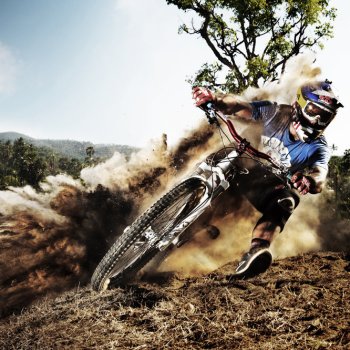
10 tips or advice for Mountain Bikers
Before leaving home to ride, read these 10 tips or advice for mountain bikers. Take into account these tips and start your biking adventure. Tips for cyclists: 1. GET INFORMED. Before leaving home to ride, look for information about routes for cyclists that you are going to do, remember that the weather is unpredictable, changes in the mountains can be quick and violent. Also, you must take into account your physical condition and preparation to carry out and complete the route you have chosen. 2. TECHNICAL CHECK. This point is basic for every cyclist, if you don't want to have unpleasant surprises during your ride, give a good check to the wheels, gears, brakes, handlebars, screws, and all aspects that you consider necessary to ensure a good ride. Also, see this advice for cyclists: how to patch a bicycle during the route. 3. CYCLIST KIT. Once the bike is ok, make sure you are ready for any unforeseen event, whether your own or a companion's. Organize a technical kit that should include patches, keys or a multi-tool, inflator, spare tube, documents, money, warm clothing, and a charged cell phone. 4. PREPARE YOUR BODY. If you are going to follow a long and demanding route, you must have good pre-ride nutrition and hydration. Consume nutritious and easily digestible foods such as bananas, orange juice, yogurt, or cereals, this will guarantee you enough energy for your biking adventure. Regarding hydration, drink water before you are thirsty (Don't overfill either) or at 20-minute intervals. Having good nutrition is one of the great tips for cyclists. 5. FOLLOW YOUR PACE. Everyone has a different style, pace, and training, accept it and do not try to keep up with others. Start slowly and gradually increase your pedaling. Do not rush or accelerate unnecessarily, you will waste energy that you will need later. If you go out in a group, regroup before and after descents. 6. CLOTHING. Light and comfortable according to the route and the season. For example, in winter, a waterproof thermal jacket is recommended to protect you from rain and wind. In addition to clothing, you must wear the mandatory safety accessories in mountain biking: helmet, goggles, gloves, and appropriate shoes. Also see this advice for cyclists: a good cycling helmet. 7. WEEKLY TRAINING. Many only go biking on weekends. Perhaps training during the week is complicated for some, but riding for an hour two days a week will greatly help your progress in technique, physical fitness, and prevent injuries on longer routes. 8. DON'T RUSH. We have all felt that anger when another cyclist passes us, and the first thing we do is go after him or her so as not to be left behind. Mistake, stay calm, we already said that everyone has their own performance and speed, the best way to progress in this adventure sport is to maintain your pace according to your limits. 9. ROUTE. Nature is very important for everyone but especially for adventure sports enthusiasts, as thanks to it we can enjoy incredible landscapes and routes. Respect it and do not cross "any" path that comes to mind, do not skid unnecessarily, and protect the places you pass through. And to finish these tips for cyclists: 10. CLEANLINESS. After a good ride, give your bike a light cleaning. Mud, dust, and grease are the main causes of deterioration of some important parts of our bike. Clean it by spraying water, avoiding the pedals, gears, and chain. After removing the dirt, you can add a few drops of oil to the chain and sprockets. Follow some of these tips for cyclists and start your adventure.
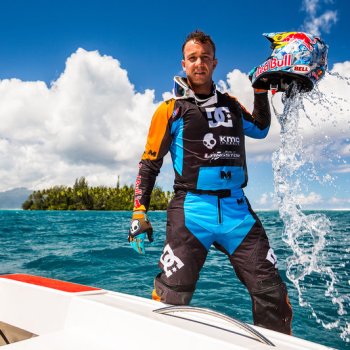
The Motorcyclist Robbie Maddison: Surfing on Motocross
Surfing on motocross? Australian motorcyclist Robbie Maddison has been making waves on the main motocross tracks worldwide. However, that doesn't seem to be enough for him, as he continues to seek new challenges and extreme experiences. This time his adventurous spirit takes him to the paradisiacal coasts of Tahiti in Hawaii, to ride one of the best waves in the world, and he will do this using nothing but his motocross bike. Ready to witness this adventure madness? Surfing on motocross? Robbie Maddison (Surfing on motocross) Thanks to DC Shoes, Maddison was able to visit the beach in Tahiti and become the first person in the world to surf with an off-road motorcycle. To achieve this incredible feat, Robbie spent 2 years adapting his bike with special accessories to make it float and slide on the water, something that seems almost impossible at first glance. Robbie Maddison (surfing one of the best waves in the world) The video production is excellent and shows Maddison in all his glory on his vehicle both on land and in the waters of Polynesia. According to Robbie, this has been the most challenging scenario he has ever ridden a bike on, as the feeling of fear is constant, making you feel "in the wrong place at the wrong time." Not even this could stop him from being the adventure athlete of the moment. Robbie Maddison (Surfing on motocross) Now you can enjoy the video everyone is talking about. Youtube: DC Shoes If your passion is surfing, venture out and join this Surfing Adventure here at De Aventura.
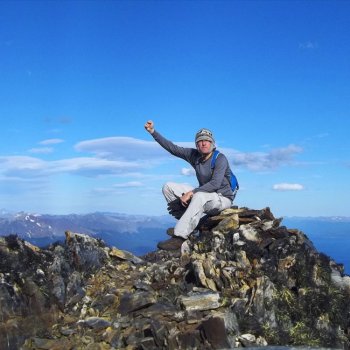
Ushuaia, a trekking project in Argentina
Guillermo Javier Puliani (33) I was born in Buenos Aires, I am a tireless traveler. I have traveled to 35 countries. Lover of adventures, of extraordinary journeys. My idea has always been to explore the lesser-known side of places, to explore and enjoy them to give them the value they deserve. In the midst of these countless journeys, I decided to stay and live in Ushuaia for a few years to discover what lies beyond the traditional, to know and explore the corners of Tierra del Fuego that few dare to discover and show. I spent almost 4 years living, feeling, and walking through the most hidden corners, through its forests, valleys, mountain lakes, and dreamy summits. A dream. A longing. To make known these wonders of Tierra del Fuego. WEBSITE: www.trekkingenushuaia.blogspot.com.ar ABOUT THE PROJECT: "Walking Tierra del Fuego" is a completely personal project dedicated to the dissemination of the different most inhospitable corners of Ushuaia and its surroundings. Through photographs and short stories, the main idea of this work is to show Argentinians and the world the wonderful charm of this region of Patagonia, so that everyone learns to value, respect, and take care of the place where we live. I share with you a myriad of adventures in the most adverse climates, both in winter and summer. How did the idea for this project come about? The work of "Walking Tierra del Fuego" arises from the idea of wanting to give back to Ushuaia a bit of the many good moments experienced in its purest nature. When I started thinking about pouring into this project all the moments lived, I also imagined trying to create awareness among the Fueguinos, travelers, and tourism in general. Because Tierra del Fuego has an enormous landscape wealth and it is worth taking care of it together. Photo: www.trekkingenushuaia.blogspot.com.ar (Guillermo Javier Puliani) GOALS: To spread through photographic content and personal experiences what was experienced in the southernmost place in Argentina. Also, the idea is to break a bit the "mold" where only the most "touristy" aspects of places are shown so that everyone can pursue their dreams of exploring Patagonia thoroughly, thus avoiding the overcrowding of places and mass tourism that affects nature in all its aspects. By promoting these places, awareness is also created of the high value at a landscape and natural level that leads each of us to respect and care for the environment of the place where we live, which we often do not consider in our daily lives. I am a dreamer and a traveler who respects every place I step on, so the deepest goal of this work is for at least the population of that region to become aware through photographic content, some anecdotes of my adventures, or with the words of some interviews I have conducted with people who have lived or live in Ushuaia or Rio Grande, which I present here so that we all collaborate in committing to caring for everything that surrounds this island at the ends of the earth. Why does this project not only focus on disseminating photographic content but also emphasizes environmental care? Because my great dream is to see an Ushuaia where each of the inhabitants respects the place where they live. Not to litter the city or, even less, the forests. I am convinced that each one, from their place with small contributions, can do a lot to improve life in this aspect. It is not about looking from the outside, but about committing to changing our attitude. So I believe that this material should reach as many people as possible so that from this humble space, a greater awareness of the uniqueness of Tierra del Fuego can be achieved. That it has practically unexplored landscapes or untouched by man. That every corner is immensely valuable. And that, knowing it, I would dare to say that everyone can take that step forward to care for it. Another of the great objectives will be to return to Tierra del Fuego, to continue discovering every corner that I still have to explore, but I want to do it with the appropriate mountain equipment that facilitates the journeys. As you know, such articles are highly expensive, so any help through a sponsor or financial assistance is highly appreciated to fulfill this dream. Photo: www.trekkingenushuaia.blogspot.com.ar (Guillermo Javier Puliani) CURRENT SITUATION / PROJECTION: The dissemination is grassroots. This project does not cover my travels to the corners of the world, nor travels within Argentina. Therefore, it is aimed solely at an audience interested in mountain trekking or eager to get to know Ushuaia and/or Tierra del Fuego. Therefore, any contribution, no matter how small, to the dissemination of it is immensely appreciated. I have been promoting it through various means such as the Internet, adventure or travel magazines or blogs, being available to carry out interviews, write articles, and/or disseminate photographs of these "unknown" places. I am also personally presenting this project in different parts of Argentina where I travel, as well as abroad, mentioning among others: Chile, Brazil, Cayman Islands, Honduras, Guatemala. The idea is to continue doing it in other countries and many more towns and cities in Argentina. The personal contact with people in the various places I visit is the greatest gift of all this work, as the common denominator of people is surprised by the idea, likes it, and collaborates with their bit to promote my work. A BIT OF WHAT I HAVE LIVED, A BIT OF USHUAIA... Can you summarize for us what Ushuaia represents for you, your perspective, your experiences? I felt when I arrived in Ushuaia, as when I arrive at every place I visit, that it was necessary to live it, feel it, experience it, with a different perspective, discovering with my eyes and feet every corner of the beautiful Tierra del Fuego. And so, as the days went by, I began to venture into each of the endless valleys, observing and understanding its forests, appreciating at all times the gift that nature has to offer us in that region of our country and the world. From the port, the central area of the city where most tourists crowded the souvenir shops to take a postcard, a souvenir, I looked at each of those mountain peaks around and felt the desire to be on each of them to have a different view, to contemplate those eternal snows from the heights of their summits, challenging my own limits to discover what lies beyond the classic, the traditional. For me, the true meaning of life lies in the experience one gains in each place and at each moment when daring to discover new things and relate them to the natural environment, thus connecting with simple things, with simple things that are increasingly overlooked in many cases. Looking at the map and dreaming of crossing new paths was part of my days, so I started walking through the forests, discovering mountain lakes, feeling the solitude, and enjoying every moment of those places where few dared to step, to discover. My energies were fully dedicated when I put on my trekking boots and set out in search of experiences that fill my soul, that give me those moments of happiness that are never forgotten... In this way, I had unforgettable moments. Having mate alone and in the company of good friends on peaks of 1,200, 1,300 meters, is something that cannot be explained. That is where one gives more value every day to those simple things that actually have nothing to do with material things, those things that they try to instill in us in our daily lives. Listening, seeing, living, and feeling nature in its natural state is what I take with me from each place. Respecting and transmitting care for the environment and leading each person who has not yet dared to discover these corners to do so, to try it, because it is really worth it... Photo: www.trekkingenushuaia.blogspot.com.ar (Guillermo Javier Puliani) TIERRA DEL FUEGO, ALSO CHILE / LET THERE BE NO BORDERS. LET'S WALK THE CORNERS. When we think of the moments that leave an indelible mark on our hearts, minds, and thoughts, I have no doubt that they are those simple moments of life, which we have shared with people very close to us but also with people we perhaps saw only for a few hours, a few days. After returning to the roads in 2013 to cross my country towards the neighboring country of Chile, I was able to realize again how important moments like the ones I experienced traveling kilometers along the roads of Tierra del Fuego in the neighboring country are. When you hear an Argentine or a Chilean disparage, insult, belittle, and even speak nonsense about one country or the other, about one from there or one from here, that's when you realize how beautiful and necessary it can be to allow yourself and give yourself a trip into the interior of other people, other lands, other customs, to be able to reach by our own means to engage in that type of conversations, in those kinds of moments that, as I mentioned above, are the ones you never forget and that make you grow more and more. I have learned throughout all the years I have traveled that asking for help, knocking on a door, can open up a new world still unknown up to that moment and that there will always be in that corner of the planet, which we may have been unaware of, someone willing to enjoy a good chat, to have a good mate or coffee, and learn from that person who did not have the best idea to open up to a new experience, to give themselves and give us a pleasant moment with the human warmth of a house with experiences and stories to share with whoever is willing to venture into the unknown... Let us not allow unnecessary barriers or hatred in the world, let us go out to the roads, to the towns, and to the least imagined corners to give the best of ourselves, to share our days, to give smiles, because on the other side there will always be people willing to make our steps in the world an experience that we will never forget... OF THOSE UNFORGETTABLE ADVENTURES. Can you tell us about an experience that has marked you in your time in Ushuaia? I want to keep the last great image I have of when I reached the summit of Cerro 5 Hermanos, a mountain that represents an icon of the city along with Monte Olivia. That mountain that we climbed in the company of great friends, I remember that moment as if it were today. We started the hike amid conversations, laughter, and enjoying in a special way every inch of land we stepped on, first we reached the lagoon and then we approached its central summit. Some decided to stay and enjoy from there, but I knew that this could be the last hike of a great stage of almost 4 years living in Ushuaia, so I undertook that final ascent to the summit, where my eyes felt tears fall down my face due to the immense joy of reaching there, knowing that it was the end of a stage of a beautiful experience lived in Tierra del Fuego, I sat down and contemplated the magic of nature with the full conviction that someday I will return to continue feeling those sensations that only those who lived them can understand. I hope you enjoy this project that I am carrying out with a lot of effort and dedication, which is to share with all of you some of the corners I walked in Tierra del Fuego and to convey from this space the care for what surrounds us, respecting it and loving it more every day!!!! If your passion is trekking, share your experience in trekking in Peru
8 Adventure Destinations for July 28th
Every adventurer seeks to explore adventure destinations that awaken strong emotions and provide new experiences. Peru is a destination that many dream of visiting, as we are fortunate to have all types of climates in the world and a wonderful geography for engaging in adventure sports or adventure tourism. Adventure places or destinations: 1. Huaraz Huaraz is one of the adventure destinations for practicing outdoor sports or adventure tourism, as it offers a great variety of attractions such as snow-capped mountains, lagoons, valleys, beaches, and a unique flora and fauna. The department of Áncash has a diverse geography that impresses with its towering peaks, mirrored lagoons, picturesque valleys, and trails surrounded by vegetation that cross the Andes mountain range. These places are just a glimpse of the cultural grandeur of a destination that ensures experiences full of adrenaline. What outdoor sports can we do in Huaraz? Mountaineering, Climbing, Hiking, Rafting, Snowboarding, Mountain Biking, and Paragliding. More details on Adventure Sports in Huaraz. 2. Máncora Máncora is a beach resort and town in northern Peru. It is the capital of the Máncora district in the Talara province, Piura department, near the border with Tumbes department. It is located approximately 187 kilometers, 3 hours, from the city of Piura. This beach allows us to engage in various adventure activities. Don't miss the details of this new adventure destination. What outdoor sports can we do in Máncora? Surfing, Canopying, Rock Climbing, Kayaking, and Off-Roading. More details on adventure sports in Máncora. 3. Lunahuana Lunahuaná, a place where time stands still and is filled with adventure and adrenaline. Lunahuana is very close to Lima heading south, approximately 3 hours by bus or just under 2 hours by car. Half an hour from Cañete, the ideal place for adventure tourism or adventure activities. What outdoor sports can we do in Lunahuana? ATVs, Canopying, Mountain Biking, Rappelling, and Rafting. See also: Adventure Destinations: Lunahuana 4. Cusco For those who enjoy adventure and adrenaline, Cusco is an ideal adventure destination, located in the Andes mountain range. Cusco is one of the preferred adventure destinations for mountaineering enthusiasts, mountain climbing, and other adventure activities; among peaks exceeding 6,000 meters above sea level, canyons, valleys, and villages offer unforgettable experiences. But Cusco not only offers wonderful landscapes, but also the opportunity to visit amazing architectural complexes and delve into the Inca culture and the history of Peru during the Inca period. What outdoor sports can we do in Cusco? Mountain Biking, Mountain Climbing, Rafting, Canopying, Bungee Jumping, and Paragliding. See also: adventure sports in Cusco. 5. Nazca Nazca is a city located in the province of the same name, in the central-southern region of Peru; situated 450 km south of Lima, in a narrow valley at 520 meters above sea level. Nazca is a very active city, due to the influx of tourists who visit the ancient Nazca Lines daily, and also take the opportunity to engage in tourism in Nazca and practice some adventure sports. What outdoor sports can we do in Nazca? Sandboarding, Paragliding, Trail Running, and Off-Roading or All-Terrain. See also: adventure sports in Nazca. 6. Tarapoto If you want to experience a true adventure in the Peruvian jungle, don't miss visiting the tourist spots in Tarapoto, our new Adventure Destination. Located in the San Martín region with a population of 80,000, the city of Tarapoto is popular among adventurers for its geography, climate, people, and palm trees. Here you can engage in many adventure activities that will make this destination a place you will always remember. What outdoor sports can we do in Tarapoto? Mountain Biking, Trekking, Rafting, and Jet Skiing. See also: Adventure Sports in Tarapoto. 7. Arequipa Arequipa, the white city, the land of Misti, adventure destination. One of the most geographically rich departments in Peru, where the Amazon River originates, where immense volcanoes rest, and where the beautiful Colca Valley extends. All a lure for tourists and adventure sports enthusiasts. Accompanied on this journey through the White City to discover what adventure tourism we can experience there. What outdoor sports can we do in Arequipa? Climbing, Mountain Biking, Paragliding, Sandboarding, and Trekking. See also: Adventure Sports in Arequipa 8. La Libertad And the last on the list of adventure destinations is the department of La Libertad located in northern Peru, occupying a long stretch of the Pacific Ocean coast as well as a large part of the Andes mountain range. This allows it to have a wide variety of places to engage in various adventure sports. Trujillo is its capital, also known as the "city of eternal spring," and while this department is known for its culture and beauty, this time we will explore tourist spots in La Libertad and the adventurous side. What outdoor sports can we do in La Libertad? Mountain Biking, Downhill, Trekking, Sandboarding, Kayaking, and Surfing. See also: Adventure Sports in La Libertad. Enjoy your Independence Day with an Adventure Trip to one of these adventure destinations and share your adventure with the community of adventurers
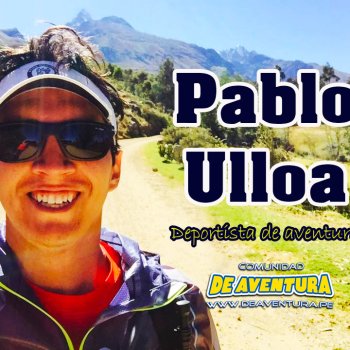
Adventure Interview: Trail Running with Pablo Ulloa
Pablo Cesar Ulloa is 28 years old, studied administration, is a marathon runner, and founder of RAW Peru, and one of his passions is Trail Running. Pablo currently not only participates in national-level trail competitions, but he is also a Blogger for El Comercio with articles about this sport and fitness. Today, we visited him to talk more and have him tell us a bit about himself and his life related to off-road racing. If you like running or are thinking of trying a new sport, don't miss this Adventure interview. Photo: Desafío Huarochirí Trail Running with Pablo Ulloa 1. Hello Pablo, tell us What is Trail Running and what are its characteristics? Trail Running is a discipline that goes beyond running, its main characteristic is that you run completely off-road, outside of a paved surface, it is common to run in the mountains or in almost any type of terrain, whether in the mountains, on sand, in the jungle, in the desert with all kinds of natural obstacles. It differs from Cross country in the distances covered, which are shorter, not exceeding 10 to 12km. In the case of Trail Running, there is practically no limit other than the human body's endurance. There is even Ultra Trail Running that starts from 50km and can go up to 120km or 160km or more. 2. And How did you start in this sport? It was in a very curious way, almost unintentionally, in the company where I worked they raffled spots for a race and a friend, who is currently my partner, invited me to run so without knowing much about it, I went. That event was the challenge in Huarochirí 3 years ago, this was one of the first mountain events in Peru. I tried it once and fell in love, I fell in love with the mountain, I fell in love with the hill, I fell in love with running off-road; I was already running but there is a special connection with the mountain and with everything around you. Photo: Amazon Race Forest 3. What have been your best sports experiences? Trail Running races in Peru have been the most demanding I have experienced, the ones that stand out the most are those in which you struggle a lot to reach the finish line, where you suffer the most like the Amazon Raceforest in Tarapoto, which I found to be a spectacular race, which has nothing to envy to an international competition, imagine being tired and wanting to stop but you can't because ants climb on you or you hear something in the vegetation: it's a unique experience. There is also the Endurance Challenge which is characterized by being a very tough route, fortunately the organization guarantees a well-marked race with hydration points for runners and assistance if you need help. I would also mention the Ultra Trail Cordillera Blanca, which was part of the mountaineering festival in Huaraz, where you run with the snowy peaks in the background at around 3500 meters above sea level and which is also very challenging where the connection with nature is very special. 4. How is the development of this sport in Peru? The sport is growing, it all started with relatively small groups some years ago with some "crazy people running on the boardwalk" and another group running in the mountains. Events like SkyRace began to attract more people, it grew pulling in more followers, now it has become fashionable and there is much more access and information for any athlete, there is even the Trail Running Club of Peru Runners. The main mountain brands organize their own groups and races practically all over Peru. Photo: Endurance Challenge 5. How is the level of national Trail Runners? Our Trail Runners are outstanding globally, for example, we have Remigio Huamán who is an international elite runner standing on the podium in global races, there is also Emerson Trujillo, Manuel Figueroa, Stalin Carrasco among many other Peruvian runners who train and compete abroad. As a running culture, we are improving and we have the advantage that in the highlands there are places that are cradles of long-distance runners, which little by little are receiving more support, allowing more of these sports stars to emerge. 6. What is needed to start in this sport? In this specific sport, although it may seem very simple, in the case of Trail Running, good "tires" are necessary, good trail shoes that provide security and grip, to avoid falls and slips, since the terrain is rugged and dangerous. You must prepare according to the conditions and distances, there are elements that are necessary such as camelbaks (special hydration backpacks for runners) or hydration belts, but above all, you must know your body very well. Also, learn certain techniques that must be taken into account to be able to go to the mountain with more experience and tranquility. Photo: Trail Running Kit in Colombia 7. What routes would you recommend to start practicing? Actually, I think it depends on what you have at hand. Here in Lima, you can take advantage of the slopes on the Costa Verde, if you want trails you can go to El Morro de Chorrillos, sand on the beaches. Outside of Lima, there are all kinds of terrains, hills, plateaus, hills, both to the north and south there are significant amounts of terrain to run on. 8. What important competitions are there in Peru? In Peru, there are many trail running competitions but in terms of distance, the ones that cover the longest distances are the Desert Challenge that covers 100 km from Huacachina to Paracas Bay, there is also the Endurance Challenge, which is one of my favorite competitions, with distances of up to 50 and 80 km along a quite rugged route and also races held in provinces like the Ultra Trail Cordillera Blanca or the Amazon Race Forest which is incredible or for example the challenge of Huarochirí which changes venue every year, they are very beautiful and well-organized races. Sometimes we look to travel and run in X place in the world when here we have incredible routes and landscapes with a lot of mystique, there is plenty to choose from. Photo: Pablo with his two pets. 9. What do you think about when you run? When I run, I am one of those who does not wear headphones, I don't listen to music and I love to feel that connection with the mountain, to hear everything and my favorite moment is when I am alone, tired, and only hear nature and my steps. An advantage of running is that you think a lot, you think too much in races of 4 to 5 hours, you think about the professional side, family, partner, friends, your little dogs; like that time when they helped me reach the finish line. Sometimes you reach deeper things, there are always things that serve as motivation but in difficult moments of the race is when these things come to you the most. There is no rule, but for runners, it is a special moment. 10. And What do you do when you are NOT running? As a mountain runner, overall preparation is very important, I am a fan of functional training in all its varieties, it is a very useful way of training; Also, the gym is very important to work on targeted areas that improve the muscles most used in each sport, in general, it is a very good complement. Photo: www.rawperu.com 11. You are the founder of RAW Peru, What is Raw and what is its purpose? Raw Peru is a non-profit page whose sole objective is to inform the running audience and those who are not yet runners, about this sport and other sections that provide a positive contribution to the audience that follows us in order to lead a healthier lifestyle. We cover topics on mountain sports, health, nutrition, and even meditation topics, as far as possible, we try to improve the quality of life of those who follow us. 12. What advice would you give to those who want to start in this sport? Really, TRY IT, try it at least once. You start running and you fall in love, it's a sport that pulls you in and when you practice it more often you see the contributions it has in your daily life, you feel healthier, more vital, it frees your mind, relieves pressure, stress... so try it, you won't stop doing it; then little by little you get to know the techniques and secrets of this sport. Just like Pablo, you too can discover life-changing adventure activities, such as Trail Running in Peru
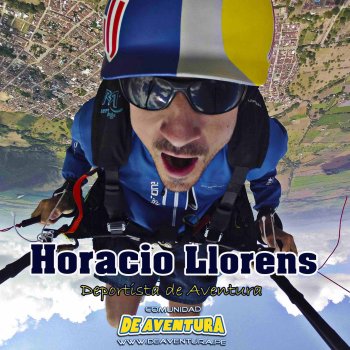
Horacio Llorens: The time has come to fly in a paraglider
How many of us have wished when we were young, and also when we were older, to be able to rise with the wind and start flying between the sky and the clouds. Perhaps, for many it is just a dream, but for Horacio Llorens it is a way of life. Horacio was born in Madrid on October 1, 1982, and from a young age he showed skill for acrobatics, as well as a fixation with paragliding. Years later, he would become a legend in this sport, and today at De Aventura we will tell you more about his amazing story. It's time to paraglide!! Photo: Redbull The time to fly has come. Horacio, at just 12 years old, achieved what few children can: he made his first paragliding flight. Two years later, when he moved to Albacete, he began taking flying courses at his uncle's school. There, along with some cousins, they created the SAT (Safety Acro Team) team that traveled the world, achieving many successes and recognitions wherever they went. This helped Horacio reach heights in the discipline of acrobatic paragliding that no other paraglider had reached before. Photo: Movielala When he turned 18, he was able to participate in his first acrobatic paragliding competition, a discipline he would develop and perfect throughout his career. At that time, it was considered very high risk and therefore events were scarce. However, this did not stop him from venturing into the discipline and trying new maneuvers that helped evolve the sport. All of this paid off two years later, in 2002, when he placed 2nd in the Red Bull Vértigo, a synchronized flight, alongside his partner, the Argentine paraglider Hernán Pitocco. Photo: HoracioLlorens In 2012, ten years after that 2nd place, he broke the world record for Infinity Tumbling, an exclusive competition for acrobatic paragliding, in which he managed to perform 568 consecutive turns, enduring centrifugal forces of up to 6G per turn, after jumping from a helicopter at 6,000 meters above the ground. This competition took place over the Mayan ruins of Takalik Abaj in Guatemala. Photo: Yteam For all he has done, Horacio is considered a pioneer in acrobatic paragliding and a living legend of adventure sports. As if that weren't enough, Llorens has been crowned world champion in this discipline 5 times, making him the most successful paraglider in the history of the sport. Photo: HoracioLlorens It's time to leave fear aside and start flying, go out, live, fly, and share your paragliding adventure.
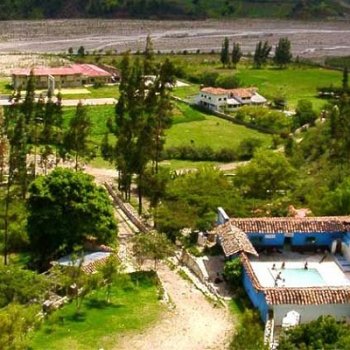
Destino de Aventura: La Libertad
La Libertad is located in northern Peru and occupies a long stretch of the Pacific Ocean coast as well as a large part of the Andes Mountain Range. This allows it to have a wide variety of places to practice various adventure sports. Trujillo is its capital, which is also known as the "city of eternal spring." While this department is known for its culture and beauty, this time we will explore the adventurous side of La Libertad, as a new Adventure destination. Photo: agendaperu What adventure sports can I practice in La Libertad? Mountain Biking (MTB) Otuzco is a town known for its activities and religious festivities related to the Virgin of the Gate; Otuzco is located 75 kilometers from the city of Trujillo and has a privileged geography for outdoor adventure sports, an ideal adventure destination. Cycling, Trekking, and Downhill are the most practiced sports there. Being at 2641 meters above sea level, it has a geography suitable for MTB, especially Downhill, as you can cross trails, fields, wide terrains, and enjoy beautiful landscapes at the same time. Photo: elcomercio Downhill Just as cyclists enjoy the speed and adrenaline of descending at high speeds, longboard riders also do so in Otuzco. The road is currently in good condition, allowing many enthusiasts of this sport to visit this place in search of some action and adrenaline. The risk is high due to the speeds reached (over 60 km/h), so they must always wear protective gear and be very, I repeat, very careful with vehicular traffic. Photo: Dhmedia Trekking With this type of geography, Otuzco also invites us to practice Trekking or hiking and Trail Running. Whether in the same town or in nearby places like Huamachuco, Virú, or Cuyuchugo. All these sites have a very diverse fauna and flora, and you can even come across waterfalls, forests, and go on routes at sea level along the Pacific coast. Photo: Peru.travel Sandboarding Another sport that can be practiced in La Libertad is Sandboarding. There are three ideal places to practice it: Salaverry beach, Pur Pur dune, or the hills of Conache lagoon. Salaverry beach is only 15 km from the city of Trujillo and entry is free. In Salaverry, there is the Carretas Dune where not only can you practice but also various sandboarding competitions have been held, another adventure destination. Photo: Edwintours Conache lagoon is located in the district of Laredo, 40 minutes from the city of Trujillo, and is a perfect place for Sandboarding; due to the large dunes that surround it. If you visit and feel like getting on the board and sliding downhill, there are several local businesses that can rent you the necessary equipment to do so, so don't worry. Entry to the lagoon costs S/. 2.00 and the hours are from 8 am to 5 pm. Photo: saladeapelacionesica Kayaking This lagoon, with an area of 9 hectares, is located near the Pampas de San Juan. There, in addition to Sandboarding, recreational Kayaking can be done. Since this lagoon has no currents or rapids, the experience is more recreational than anything else, but this does not diminish the excitement of practicing this sport in it. Photo: Turismoxtremo Surfing Since we are talking about water sports, we cannot mention La Libertad without talking about its emblematic wave, the longest left in the world is here in Chicama, in La Libertad. Words are unnecessary when referring to this wave: perfect, endless, dreamy, brutal, epic, and countless adjectives. Here, surfing is lived 24/7, day and night you feel the surfer vibe of this spot in northern Peru. Also, there is the popular Huanchaco beach (an adventure destination), a landmark of Peruvian surfing, not only current but since Inca times, here you can surf on a board or, if you dare, on a totora reed horse. Photo: waterwaystravel Now that you know this adventure destination, all that's left is to pack your things and go in search of your next adventure
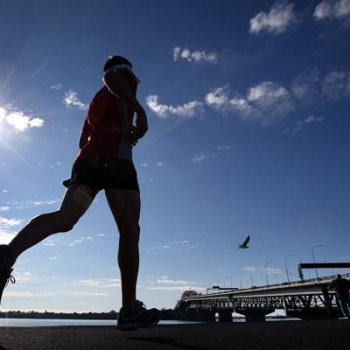
7 things you must not do in Trail Running
Trail Running is not just about running, in this sport several aspects need to be planned to have a good race. There are runners who make many basic mistakes when training or competing, and they are not necessarily technical. Read this list of common mistakes in Trail Running, pay attention because you will surely identify with some of them. Stretching: Muscle flexibility when running is essential to perform well and avoid injuries when doing trail running. Therefore, if you want to have better performance and improve your agility, you must stretch your muscles correctly. Before the race, you should stretch progressively and lightly, as not all of your body is ready for exercise. (Stretching abruptly at the beginning can cause an injury) At the end of the exercise, you should also do a gentle stretch to relax the muscles and gradually reduce physical stress. Photo: Gastronosfera Hydration: Knowing how, when, and how much to hydrate can make a significant difference in your performance during a race. We are not just talking about hydrating when you are thirsty, but about preparing your body in advance for running. If you hydrate well days before the race, you will allow your body to assimilate all the fluids correctly and build up a reserve to face the wear, effort, and fluid loss. Avoid doing it right before starting, as it often increases the urge to urinate along the route. Photo: ZonaRunning Sun Protection: Trail runners face the harsh conditions of nature and its geography. One of the most difficult aspects to deal with is the sun, which is why many of us use sunscreen to run. The mistake is to apply it a few minutes before competing. As the kilometers pass, the temperature rises, and sweat from the forehead will fall into our eyes. This distracts the runner and slows you down on the course. It is recommended to use a fast-absorbing sunscreen (non-greasy) 30 to 60 minutes before competing. Photo: Runnersmx Nutrition: There is a debate about nutrition during the race, many claim that it helps you regain strength during the competition, so they eat fruits, seeds, and even try new products like rehydrating gels, bars, and other forms. But before doing so, you must know your body well because if your body digests quickly, it is likely to make you want to go to the bathroom during the race. Photo: Correviviendo Travel: Many trail running competitions or routes are far from cities, which forces us to travel several kilometers to the location. Some are lucky enough to travel by plane, but the vast majority have to take a bus or drive to the location. The latter, driving, significantly harms the runners because it interrupts their rest schedule and generates greater physical and mental fatigue. Remember that resting is essential for the performance of runners, especially in long-distance ones. Photo: axahealthkeeper.com Sporting Apparel: Some beginner runners make the mistake of going out to run wearing their oldest clothes. This is not the case, as in trail running there is a lot of movement, rubbing, exposure to different temperatures and geography, requiring clothing made of materials that help with ventilation and balance body temperature, as well as lightweight garments that do not cause friction between body movements. Photo: TrailRunnin If you enjoy Trail Running, pay attention to these tips and improve your performance on your next mountain running outing.
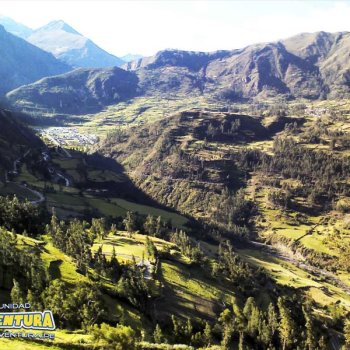
Adventure Destination: Chiquián
Last long weekend, we took the opportunity to leave the city and live a new adventure. This time we headed to the First FestiAndes of tourism and adventure sports held in the province of Bolognesi in Ancash; just 6 hours by bus from Lima. Everything took place precisely in the town of Chiquian, known as the "Little Mirror of the Sky" due to the beautiful reflection of its local lagoons, which welcomed us with great hospitality, allowing us to thoroughly explore this new Adventure Destination. In Chiquian, you can practice adventure sports such as: Trekking (Huayhuash), Mountain Biking, Trail Running, Climbing. Photo: Chiquian-Travel Peru Upon arriving in Chiquian, we were welcomed with a toast of corn chicha. Together with the local authorities and organizers of FestiAndes, the event began at the municipal stadium "Carlos Bracale." Traditional dances like Diablitos de Chiquian and Canis were performed, along with the hoisting of the national flag and an exhibition of local products such as apples, papayas, cherimoyas, lucumas, pineapples, strong avocados, and other supplies and accessories. During the days of FestiAndes 2015, activities such as the chasquis marathon, mountain biking, rock climbing, and burrocross were carried out. This tourism and sports event was organized by the Provincial Municipality of Bolognesi and attracted many national and foreign tourists who enjoyed the various activities held in the town. After the opening ceremony, the agricultural fair and traditional dances, we were able to take a city tour to nearby places where we found perfect routes for trekking and mountain biking. Chiquian has an ideal geography with winding roads, elevations, trails, and landscapes that will amaze you throughout the trip. Among the main attractions of Chiquian are the places where the best Andean cheeses are made, and the Usgor Waterfall, whose legend tells hundreds of stories of couples who have drunk from its waters and ended up getting married. That same night, the torch was lit to officially inaugurate the First FestAndes. The second day of the festival began with the chasquis marathon: La Chaskitón. So, from 7:30 in the morning, the runners gathered at the starting point, made their preparations and warm-ups, and half an hour later they set off. The race route was Chiquian - Carcas - Chiquian covering approximately 30 km. Bicycles took the stage at 11 am, with the circuit to cover being Chiquian - Timpoc - Pampam - Chiquian, around 60 km in total. Cyclists arrived prepared with their bikes and necessary equipment for the competition. The route was not easy, with the distance, ascents, descents, rugged terrain, and altitude making this competition a tough challenge to complete. Thus ended the second day of FestiAndes. The next day, starting at 8 in the morning, the highly anticipated Burro Cross took place, a very fun and unusual race. The starting point was Usgor, where the waterfall of the same name is located, and the finish line was at the municipal stadium of Chiquian. Surprisingly, there were many participants in this race, but most of them were children and teenagers with their little donkeys. Chiquian is known as the "Little Mirror of the Sky," a gateway to visit the Natural Reserve of the Huayhuash Mountain Range. Visitors had the opportunity to appreciate the Huayhuash Range, one of the most spectacular in the Peruvian Andes. Its most important snow-capped peak, Yerupajá (6,634 m), is the second highest mountain in Peru and the highest point of the vast Amazon basin. It is considered by the international tourism community as one of the top ten "trekking" circuits in the world.
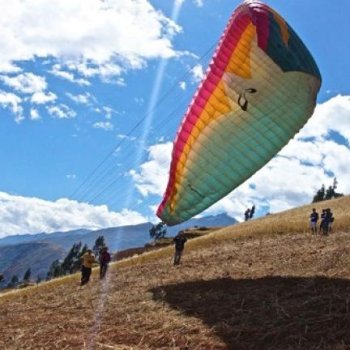
Andean Festival Cordillera Blanca 2015
This past weekend, the “Cordillera Blanca” 2015 Andean Festival of Mountaineering was celebrated in Huaraz, one of the most renowned adventure sports events in the South American region. This event took place from June 26 to 29 and brought together a large number of tourists and sports enthusiasts who love outdoor activities. The festival featured Aerothlon, Mountain Biking, Ultra Trail, Paragliding, Off Road competitions, as well as other entertainment activities such as traditional food and live music. Andean Festival Schedule This year, the festival began on Friday, the 26th, with the presence of local authorities and event organizers in an opening ceremony held at the Huaraz museum around 5 pm. A large number of fans, locals, nationals, and internationals attended the event in search of sports, adventures, and lots of adrenaline. The rest of the days were dedicated to carrying out all the planned festival activities. The action started on Saturday, the 27th, with two simultaneous events beginning at 8 am in different locations. The first event was the "Experience the White Range" truck journey, where along with great drivers and their trucks, a large caravan departed from the main square heading towards Aija, Recuay, and Chavín de Huantar. This route allowed participants to appreciate the beautiful landscapes of this region, as well as the routes suitable for Off-Road activities. Photo: Andean Festival 2015 The second event was the Aerothlon, which undoubtedly captured all the attention of the day. The Aerothlon is a speed and endurance competition that can be individual or team-based (up to 3 members), involving three consecutive sports in the following order: Trail Running, Paragliding, and Cycling. This event took place in the town of Wilcahuaín, where the runners departed towards the Wilcahuaín cross, the highest point in the town, from where they took off in paragliders to continue the race. The winners were: In the individual category, Patrick Vogin Pacheco from Cusco (Peru) took the 1st place with a time of 1 hour and 5 minutes. In the relay category, the winners were Domingo Elías Townsend (Trail), Thomas Schwarzer (Paragliding), and Jenn Hrinkevich (Cycling) with a time of 56 minutes. The rest of the day was used to distribute the sports kits for the next day's Ultra Trail. Photo: Aerothlon On Sunday, the second day of competitions, activities started at 6 am with one of the most challenging tests, the Ultra Trail Cordillera Blanca at over 4,000 meters above sea level. This marathon was divided into 3 categories: 10, 21, and 50km, testing the physical and mental endurance of the participants, as well as their adaptation to the terrain and altitude. Photo: Aerothlon Part of the Ultra Trail route (50k) included the Llaca lagoon located at over 4,500 meters above sea level, where the Quebrada Llaca refuge is found, allowing competitors to rest and regain strength. The final destination of this race was in the town of Wilcahuaín. The winners of this competition were: In the men's category, Manuel Figueroa took first place. In the women's category, Maybel Antezana claimed the top spot. While the Ultra Trail was taking place, the mountain biking race in Cross Country Downhill mode was happening in Wilcahuaín, on the mountain slopes where the Wilcahuaín cross is located. Over 20 cyclists participated in the race, descending rapidly through paths with abundant vegetation, rocks, and mud. The rest of Sunday featured paragliding exhibitions, traditional food tastings, and live music. Amidst a spirit of camaraderie, excitement, and positive vibes, the competition results were announced, and the winners were awarded. The event concluded with performances by the Giannico Banda and Tremolo bands on Sunday evening, entertaining the crowd with their songs. On Monday, the final day of the festival, the Ski and Snowboard competitions were scheduled to take place at Pastoruri. However, due to safety reasons for attendees, participants, and athletes who would visit the location, these events had to be canceled the day before. Thus, the Cordillera Blanca 2015 Andean Festival of Mountaineering concluded, leaving a positive impression of the growth of adventure sports in the country, as well as the interest from fans, tourists, and the press. Thank you Huaraz, Thank you Independencia, Thank you to the participants, we will meet again at the 2016 Andean Festival of Mountaineering, it's a fact. Don't miss the adventure and share your experiences of outdoor sports with us See also: 2014 Cordillera Blanca Mountaineering Festival
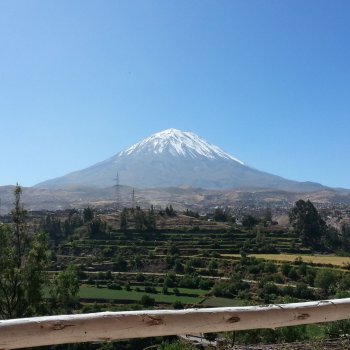
Adventure Destination: Arequipa
Arequipa, the white city, the land of Misti, an adventure destination. One of the most geographically rich departments in Peru, where the Amazon River is born, where immense volcanoes rest, and where the beautiful Colca Valley extends. A great attraction for tourists and adventure sports enthusiasts. Join us on this journey through the White City to discover what adventure sports we can practice there. Rock Climbing Mountain Biking Paragliding Sandboarding Trekking Photo: Confia.pe ROCK CLIMBING The Colca Canyon is the ultimate destination for any climber visiting this city. Finding climbing routes is not difficult at all, there are rock walls very close to the city such as Chocho Loco (25 meters), Faisán (11 meters), La Gerva (25 meters), Monito (8 meters), among others. Beyond the city, you will also find more rugged routes with waterfalls included, such as Huaruro Waterfall with over 100 meters of drop, where besides climbing, canyoning or rappelling can also be done. Another ideal place for climbing is the Cotahuasi Canyon, where many sports events are held annually. Photo: Topoperú RAFTING Rafting is one of the most practiced sports in Arequipa, its rivers and rapids make it an adrenaline-filled experience. Where can you practice it? There are various places, but the most well-known are the Chili River, the Cotahuasi Canyon, and of course, the turbulent Colca River located 300 km from Arequipa. If you are looking for something 'milder', you can also go to the Chanchani circuit, just 20 minutes from the city, where the rapids are gentle, ranging from levels I to II. The Colca River, on the other hand, is a different story. Its rapids are internationally known for their difficulty and require advanced rafting skills. This river features extreme rapids in its upper and middle sections, allowing you to enjoy the Arequipa flora and fauna in total peace, as it is an isolated area from settlements and civilization. The best months to practice this sport are from May to December. Photo: Ecoaventuras PARAGLIDING Paragliding is already an incredible experience, but doing it over the Andean sky is mind-blowing. Despite the turbulence and temperature changes in Arequipa, living this experience is totally worth it. Although the ascent can be a bit tedious for many, Misti is the perfect spot to take off and soar over the city. Another alternative take-off spot is the Colca Canyon, just 4 hours from Arequipa, where you launch from the Chachani volcano at over 4 thousand meters above sea level. Photo: Panoramio BIKING Mountain biking couldn't be missing in Arequipa. Just imagine descending the slopes of Misti from 3400 meters above sea level at full speed with your bike, crossing trails, winding roads, communities, and even archaeological sites. Sweaty palms just thinking about it, right? Don't worry, there's more. Another volcano you can descend in downhill mode is Chachani, where besides adrenaline, you can get to know nearby communities. Now, if you have experience riding and want to test your strength and endurance, there are 5-day tours starting from Chivay, in the Colca Canyon, crossing the valley until ending up facing the ocean in Camaná. Are you up for the challenge? Photo: Arequipaxtremo TREKKING After mentioning so many rustic routes and paths, we imagine that Trekking enthusiasts must be itching to explore these slopes, volcanoes, canyons, and more geographical features that present different levels of difficulty. Here we will elaborate on the routes you can follow. Misti Volcano: Icon of the city, its ascent is quite challenging, with over 5 thousand meters above sea level, starting from the city passing through Tambo Inca to the base camp Nido de Águilas. The complete journey can last a couple of days depending on the person's pace. Chachani Volcano: This volcano, the second most popular in the city, stands at over 6 thousand meters above sea level and has four peaks. Despite its height, the ascent is not so complicated and can be reached in about two days. The route ascending to Pampa de Arrieros is simply spectacular. Pichu Pichu: Composed of 7 summits reaching 5540 meters above sea level and still preserving Inca remains at the summit. The route to follow leads to the Salinas Lagoon, which takes a couple of days on the road. Ampato: Mountain where the mummy Juanita was found in 1995. It is named Ampato due to its toad shape (Ampato in Aymara), with its summit reaching 6288 meters above sea level. To reach it, you must travel for 3 to 4 days. Coropuna Snowcapped: Located in the Cotahuasi Valley, it offers incredible landscapes. This snowcapped peak is the 3rd highest peak in Peru, and its ascent takes between 2 to 3 days from Pallarcocha Lagoon. Photo: Arequipaturismo Don't miss visiting this magnificent adventure destination on your next trips, tell us about your experience and share your adventure.

How to choose the perfect surfboard for you?
Despite it not being summertime, Peru is one of the few countries where you can enjoy good waves all year round. However, a bad surfboard could ruin all the fun. That's why it's always good to take advantage of these times of the year to renew equipment and boards in preparation for what lies ahead for the rest of the year. Learn how to choose a board that fits you in this Adventure post. We always have a special connection with our first board, with it we rode our first waves, took our first wipeouts, bought new leashes and fins to 'pimp it out' a bit, and over time we got used to its shape, weight, and size. However, as Hector Lavoe says, "nothing lasts forever," and the time comes to change it for a board more suitable to our style and needs in the water. Photo: Boardsportunlimited Now the big question: How do I choose the right board? What should it have? Many people are swayed by fashion and brands, but what really matters is feeling comfortable on it and finding the perfect balance between these 5 fundamental points: Thickness This is high school physics, the thicker the board, the less control. A thick board will be harder to control on small waves where you might want to try new tricks that require better maneuverability. The thickest point should be in the center of the board and decrease towards the ends. Of course, this reduces buoyancy a bit, but if you use a wetsuit (neoprene) you don't need more. If you still feel like a beginner, look for a board with a minimum of 2 ¾" to 3" inches, but if you're pulling off some tricks and want something more pro, look for between 2" and 2 5/8". Photo: Pukasurf Width Width equals stability, a narrow board allows for better movement and turns (obviously, it all depends on the surfer), while wider boards float better and are more stable, ideal for learning and surfing small waves. If you are of short stature, a narrow board will provide you with more speed and performance. Beginners can choose a board between 20" and 22"; for more advanced surfers, the width can range between 17" and 20". Photo: Latinwave Size The length of a board will be one of the most influential factors when you get on it. It is true that we must identify what type of wave you are going to surf, but remember: Big waves, big boards. The benefit of a long board is paddling and traversing between sections of the wave. On the other hand, for small waves, small boards with greater maneuverability. If you measure between 1.50 and 1.70, the appropriate board will be 5 to 6' (shortboards). If you measure over 1.70, the ideal board will be 6 to 7' (shortboards). If you also weigh more than 1.70, a board of 7 to 9' (longboards) is recommended. Photo: Itespresso Shape and Style The shape of your board reflects the style you practice and the waves you face. There are many types of boards, but the most popular ones are: Tow-in: Special boards for being towed by a jet ski. Fish: Boards designed for small and weak waves. Shortboard: The most common boards with a more evolved design. Evolutionary: Large and thick boards perfect for beginners. Malibu: Large boards with a round tip similar to longboards. Gun: Boards with sharp tip and tail, special for big waves. Photo: Surflife Color Not everything is about numbers and measurements, surfing is a sport full of life and energy, but many surfers use white boards covered in stickers. Break the monotony and add a touch of personality to your board and go out to ride the waves. Make your board and your talent stand out on the waves. Now all that's left is to go out, find your board, put on your wetsuit, and hit the waves, because Peru is a powerhouse in this sport and as we said at the beginning, you can have good waves all year round. Photo: Taringa
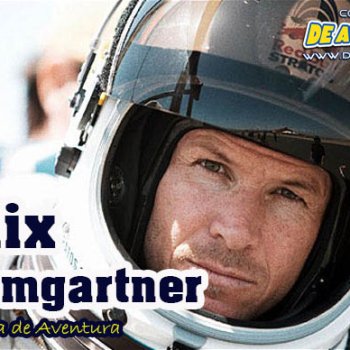
Felix Baumgartner: The Jump of the Century
His name is Felix Baumgartner, born in Austria, 46 years old, and his sport discipline is BASE jumping. Baumgartner is a former military man, recognized for the extremely high level of danger he brings to all his maneuvers. Precisely taking these risks has led him to break many records of free fall, like that time in 2012 when he jumped from the stratosphere. Photo: Taringa Felix's life philosophy is a constant search for what lies beyond, that desire to discover what awaits on the other side. He started skydiving at the young age of 16, later perfecting his technique in the military, which would trigger a whole professional life of jumping, adrenaline, and new records. Photo: Mashable Since the nineties, he began jumping with the Red Bull team, with whom he perfected precision and reflexes for those low-altitude base jumps. Some time later, he would jump over the English Channel, announcing that he would go for more in his next feat: The supersonic jump. Photo: Fayerwayer His adventurous and indomitable spirit led him to prepare, along with a group of scientists, engineers, and doctors, what is known as the jump of the century: The Red Bull Stratos. Baumgartner was ready to make history and go beyond the limits of the human being. Photo: Rpp The Red Bull Stratos was a jump from the stratosphere (at 39 km above Earth), reaching speeds of 372 km/h during the 4 min. 22 sec. of free fall. His jump went around the world breaking several records such as: highest manned balloon ascent, fastest speed in free fall, and first human to break the sound barrier without a vehicle. Photo: Totaljobs Thanks to this tremendous feat, he was awarded the Adventurer of the Year Award, granted by National Geographic magazine in 2013. As we mentioned before, Felix is an tireless athlete, which is why in 2014 he participated in racing circuits to compete in the 24 Hours of Nürburgring driving an Audi R8. Photo: Redbull Just like Felix, you too can unleash your adventurous spirit and share your adventures.
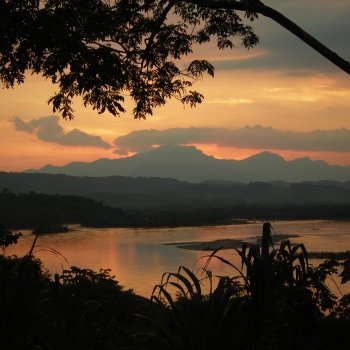
Adventure Destination: Tarapoto
If you want to experience a true adventure in the Peruvian jungle, don't miss visiting Tarapoto, our new Adventure Destination. Located in the San Martín region and with a population of 80 thousand people, the city of Tarapoto is popular among adventurers for its geography, climate, people, and palm trees. Here you can engage in many adventure sports that will make this destination a place you will always remember. Mountain Biking Trekking Rafting Jet Skiing Photo: Tarapototravel Tarapoto has excellent weather throughout the year, with temperatures ranging from 24 to 38 degrees. However, the best months to visit are between May and October. Keep in mind that although the temperature is mild, this is a tropical climate, which means it can rain at any time and without prior notice, the famous "sun shower." Photo: Tarapototours Mountain Biking: This is one of the sports that has gained the most popularity and development in recent years in this area. Its geography is perfect for exploring the forests and mountains on two wheels. San Roque de Cumbaza is one of the places where this sport is most practiced. However, most locations in Tarapoto are ideal for a bike ride. Other routes: Chullachaqui Trail (Lamas), Pishtaco Escape (Aucalona), Chancas Route (Ukupata), Shirateo Trail (Shanao). Trekking: Trekking and trail running are two sports that can be easily practiced in Tarapoto. All you need are good sneakers, light clothing, sunscreen, and to stay well hydrated, and you can practice them anywhere, especially on the way to the waterfalls. For example, 45 km from the city are the Tununtunumba waterfalls, which can be reached in a 2-hour trek on the left side of the Huallaga River. Another recommended route is in Cumbaza, on the way to the Huacamaillo waterfalls just 18 km north of Tarapoto. Additional route: Trekking and walk to the Velo de la Novia and Tamushal waterfalls. Photo: Elcomercio Rafting: Both kayaking and rafting are sports that every traveler and adventurer should practice in this city. Where exactly? On the Mayo River, where the river's flow normally offers class III and IV rapids on circuits that last approximately two hours of pure rowing. For those experiencing this adventure for the first time, they will have the opportunity to be in contact with nature, observe nearby communities, and enjoy the tropical flora and fauna. Photo: travelingwithfernando Jet Skiing: Just 45 km from the city of Tarapoto is Laguna El Sauce, also known as Laguna Azul. This paradisiacal place is a kind of tropical oasis, where you find the sky reflected in its waters. Here, many travelers come to relax or spend a quiet moment. However, for adventurers, this place is ideal for riding a jet ski and splashing in the water to your heart's content. There are also canoe or motorboat rides available, and you can even go sport fishing. Photo: turismofanda Dare to live a tropical adventure in the Peruvian jungle and share your experience with our community
Adventure News Summary June 3
Manuel Figueroa wins the 42k in Cusco: The Amazonian runner was the winner of the mountain race K42 Valle Sagrado at over 3,000 meters above sea level. The K42 Valle Sagrado was the second event of the K series mountain races circuit in Peru, where both Manuel Figueroa and Letty Lázaro obtained first place in their categories. Manuel, who has represented Peru on multiple occasions, crossed the finish line in 3 hours and 28 minutes; while Letty did it in 4 hours and 45 minutes. Peyón wins TC2000: Jean Paul Peyón managed to prevail in the third round of the TC 2000 after beating Juan Carlos Tassara in the third heat. Those left wanting more were Sandro Ricci and Guty Michelsen, who finished the competition in second and third place, respectively. This year's TC2000 was a great race according to the participants, as the fight for the top positions was constant throughout the competition. Ines Melchor new South American champion in the 10,000 meters: The athlete once again was the first to cross the finish line in an athletics competition, this time during the 10,000 meters race at the South American Championships for seniors. Thus, the long-distance runner regained a title she had already achieved in the same tournament in 2009. This year, Melchor broke the national record for the 10 kilometers with a time of 31m:56.62s, which allowed her to achieve the qualifying mark for the Rio 2016 Olympic Games. Stay informed about the most relevant national sports news every Friday in our Adventure News Summary

How to Get Started in Climbing.
Climbing is not an easy sport, it requires a lot of mental and physical effort; It also tests your endurance, strength, and agility with every step you take. This sport demands a lot of balance and strength in your limbs to support the weight of your body. It can be practiced on both rock and Boulder (specially prepared artificial wall for climbing), and in both cases ropes and fixed anchors can be used to reach the top. Photo: Mantlegyms Before climbing walls like Spiderman, you must be aware of the dangers involved in this sport, and make sure to learn the appropriate techniques to do it correctly. Here are some tips to help you get started in this adventure sport without taking too many risks and enjoy the experience to the fullest. Photo: ifitness First: Climbing is not a sport where trial and error is allowed, we recommend finding an experienced instructor to support you in your initial climbs. Always remember that climbing starts with your head and then your body. This means that before moving any foot, you should think and visualize your route, so you don't waste energy in vain. Photo: Climbingtips Whether it's a rock wall or a Boulder, never, ever climb without using protective gear. This kit includes climbing shoes, helmet, harness, and a chalk bag (to prevent hand sweating). Check it once, twice, and even three times before starting to climb. Apply the 3-point support rule, as you progress on the wall, you must balance your body to move with the use of a single limb while keeping the other 3 supported on the wall. This premise is only for beginners; as you gain experience, your technique for moving will improve. Photo: Rocanbolt A useful tip for your initial climbs is to support most of your weight on your feet, using your hands to stabilize it. This technique will help you avoid wasting energy in vain. You should also use the static or reversible climbing technique. This method ensures that all movements should be reversible to get out of any obstacle or wrong route. Photo: iluvesports Be prepared to fall, we know it's not the idea and doesn't sound fun at all, but it's inevitable when you start this sport, so it's best to be prepared when it happens. You and your partner should be alert to any unforeseen events so that when you fall, the rope doesn't unravel too much. Avoid holding the rope at all times and especially stay away from the wall; use your feet as shock absorbers to protect yourself. Photo: Climbingoutdoors Finally, remember that learning and mastering this sport takes time and can only be achieved through practice and training. If you are new, don't be afraid to climb, believe us, when you reach the top and can look back to see how far you've come with your effort, you won't stop doing it over and over again.
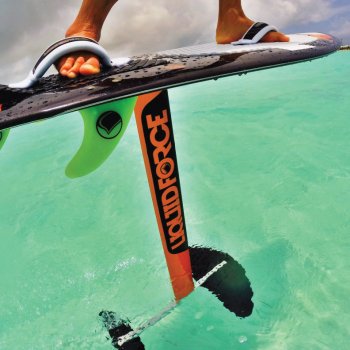
Foilboard: Fly over the sea.
In previous occasions, we have already talked about Kitesurfing, its technique, the types of boards, and the types of kites it uses. So far, everything is normal, but now it turns out that this is no longer enough for Laird Hamilton, who had the idea of kitesurfing mounted on a foilboard, what? A hydrofoil-type board, if you still can't imagine it, don't worry, here we explain what it is. Although it may sound strange, a foilboard is a very simple and useful board, it is a type of board that rises above sea level thanks to its hydrofoil. This element allows it to achieve higher speeds and reduce water resistance. Although it may seem new, the truth is that this element was created based on water skiing. Photo: ExtremeSwell Laird Hamilton discovered that this board allowed him to make the most of the energy of the waves. It only needs to be pulled by a jet ski or a sail, as in kitesurfing. The foilboard often has foot straps, which provide greater security and strength in each movement. This, combined with the elevation of the board, allows kitesurfers to reach better air currents. Photo: Actionsports Advantages of foilboarding for kitesurfing Speed: With less resistance in the water, it increases the speed of the board, excellent for light winds. No impacts: Forget about the bumps created by the waves, when riding the foilboard, you won't feel those imperfections. Less effort: This board reduces the physical work of surfers thanks to the hydrofoil that 'cuts' the water and allows for faster turns. Photo: Locosporeldeporte Disadvantages of foilboarding for kitesurfing Danger Factor: Imagine being thrown into the air and hit by one of these boards with their sharp fins. Impractical: Traveling with this equipment is not easy, you must calculate the weight and size before moving between cities or countries. Price: A foilboarding is still more expensive than traditional kitesurfing or surfing boards. Residues: Seaweed, fish, and plastic bottles are dangerous obstacles in the open sea, you must be careful not to get entangled in any of these. Photo: Redbull Discover and practice new adventure sports and unleash your adventurous side.
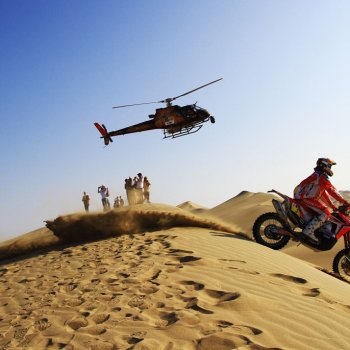
Adventure Destination: Nazca
Nazca is a city located in the province of the same name, right in the central-southern region of Peru; which is situated 450 km south of the city of Lima, in a narrow valley at 520 meters above sea level. Nasca is a very active city, due to the influx of tourists who daily visit the ancient Nazca Lines, and also take the opportunity to practice some adventure sports. Find out what these sports are that will make you experience adventure to the fullest: Sandboarding Paragliding Trail Running Off Road Photo: Paratours Sandboarding: In Nazca you can find the Cerro Blanco dune, which at 2078 meters above sea level is the highest dune in the world, ideal for the practice of adventure sports such as sandboarding. Many adventurers and tourists enjoy the speed and adrenaline of getting on a board and sliding without brakes on the sand. Remember that to practice this sport you need basic equipment like Board, Goggles, Helmet, and the supervision of an instructor. Photo: Orotravel Trail Running: Trail Running and trekking are also present in Nazca, thanks to its varied geography and endless sands; this destination presents itself as one of the greatest challenges for marathon runners and trail runners. Definitely, this is not a route for beginners due to its toughness and demands. Don't forget to be prepared to endure the arid and very hot climate. It is advisable to consult with local guides for advice on the routes to follow. Photo: Unpaseoporelmundo Paragliding: Although special permits are required, practicing paragliding in Nazca is a freedom experience; you can fly over endless dunes and feel the wind take you at its whim. The Nazca area is highly thermal, allowing for highly maneuverable flights. In addition to paragliding, you can also fly with a paramotor or with a "Towing" system, however you fly, we are sure you won't want to come down. Photo: Peru21 Off Road: The destination of Nazca is well known in the world of Off Road, thanks to its desert landscapes that allow various 4x4 competitions to take place in this location. If you plan to try this sport, we recommend wearing warm clothing, as although the day and afternoon are hot, the nights in this place are usually quite cold. Also, it is very important to do a prior reconnaissance of the authorized routes, as there are many areas protected by the government. Photo: Peruvian sunrise Go out, explore, and don't miss the opportunity to enjoy the adventure destinations that Peru has for you.
Adventure Sports News Summary June 2
Peru finishes fourth in ISA 2015 World Championship The Peruvian surf team finished among the top 4 in the ISA Open World Surfing Championship held at Pocollo Beach in Nicaragua. Miguel Tudela was the surfer with the best performance in this competition, as he lasted the longest in the competition until the end of the repechage. Highlighted selections in the competition included Costa Rica, Portugal, USA, Peru, Australia, Argentina, and Ecuador. Ultimately, the Costa Rican team would be crowned world champions. Photo: Peru21 Second Edition of the Inka Challenge The second edition of the Inka Challenge took place in the district of La Molina, a thrilling challenge that took place this past weekend. This is a competition where you have to use all your strength and push past your limits. From the start, obstacles were present throughout the entire test. There were a total of 15 challenges in a 5-kilometer course. The next major race will be the Desert Challenge starting from the oasis of Huacachina. Photo: Inka Challenge Peruvian takes second place in AquaX USA 2015 Tour Paloma Noceda finished second in the 2015 AquaX USA Tour and remains the leader in the overall standings. On this occasion, she achieved this in a competition where up to 60 watercraft were involved, requiring great strength and skill to reach the goals. By finishing second in two events, she maintains her lead in the tour, where only 2 women compete among all participants. Photo: Cmd Fourth Round of the National Rally Championship Raúl Velit emerged victorious in the fourth round of the National Rally Championship. Velit has now won two rounds in this championship. What makes the Rally Championship so interesting are the different scenarios and surfaces, as pointed out by the competitors. Velit's intention is to compete in the Caminos del Inca race. Photo: Depor JOIN OUR COMMUNITY AND SHARE YOUR PASSION FOR ADVENTURE SPORTS.
Documentary: The Search for Freedom
THE QUEST FOR FREEDOM It is the story of a cultural revolution driven by the human desire to live in the moment and do what makes you feel most alive. We discover how a new and electrifying world emerged through pure energy and imagination and the endless possibilities of free expression available to anyone who lets themselves be carried away by their senses and emotions. This documentary, written and directed by Jon Long (IMAX® Extreme), is a sensory and visual experience told through the eyes of some of the pioneers, legends, visionaries, and champions of surfing, snowboarding, skiing, skateboarding, mountain biking, and much more. Pioneers and legends of surfing, skateboarding, snowboarding, etc., like Kelly Slater, Kelia Moniz, Robby Naish, Kai Lenny, Bruce Brown, and many others try to explain to us firsthand that feeling.