Asia Dunes
Description
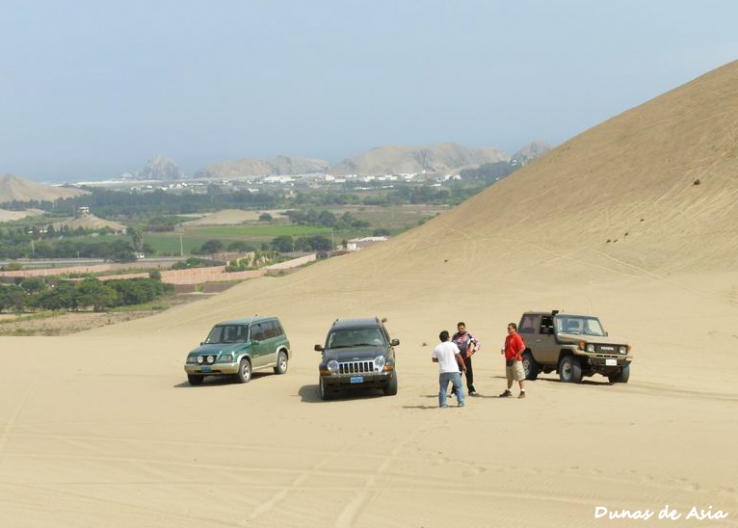
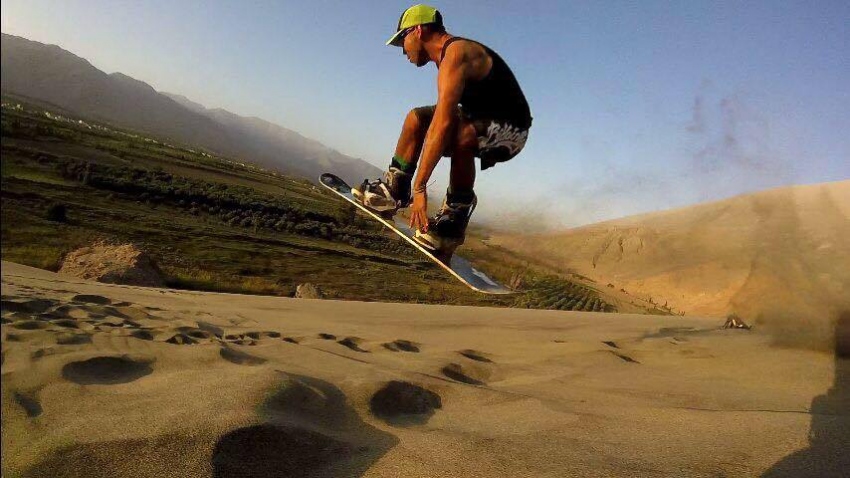
Asia is one of the 16 districts of the province of Cañete in the department of Lima. It is one of the most visited destinations, especially during the summer, due to the large number of beaches it offers. But it is also an ideal place for adventure sports such as sandboarding and off-road in 4x4 vehicles, thanks to its spectacular dunes.
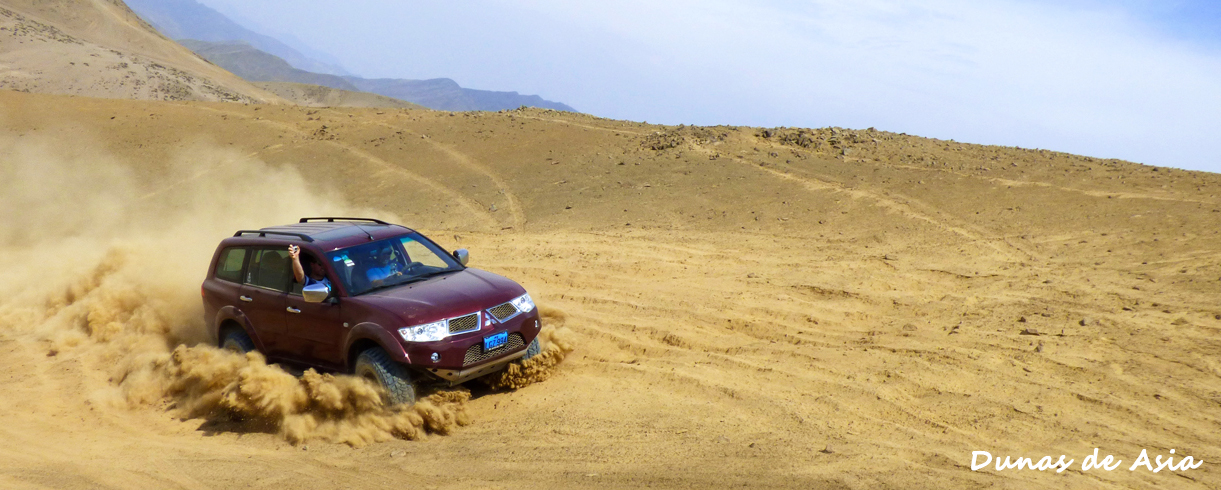
Photo: peru4x4
It borders Mala to the north, Coayllo to the east, and Quilmaná and Cerro Azul to the south. This district in southern Lima has an area of 220 km2 and was officially created on July 24, 1964, during the first government of President Fernando Belaunde Terry; it was previously part of the Coayllo district.
It has a population of almost 4000 inhabitants, most of whom work in the resort, both in construction and in various services. The rest, in smaller numbers, are dedicated to agriculture, with main crops including fruit trees, olive trees, and grapevines.
The district's anniversary is celebrated on July 24, featuring typical dishes such as sopa seca, ceviche, and carapulcra. Among the numerous beaches in Asia are: Costa del Campo, Las Totoritas, Las Palmas, Los Cocos, Bujama, Asia, Cayma, Sarapampa, etc., most of which are private.
Location
Asia is located in the province of Cañete, in the department of Lima, at kilometer 88 of the Pan-American Highway South.
Climate and Temperature
The area has a very dry and semi-warm climate. The average annual temperature ranges between 23°C and 16°C.
How to Get to the Dunes of Asia
To reach the Dunes of Asia, take the Pan-American Highway South to kilometer 90. From there, a short 30-minute walk to the dunes is required, or alternatively, access can be by a 4x4 truck.
Adventure Sports
- Sandboarding
- Off-road in 4x4 vehicles
Video: Buenos Días Perú
Tourist Attractions in Asia
Municipal Museum Huaca Malena: This place features an exhibition hall and cabinets. It was inaugurated on June 24, 2011. The museum's exhibition is aimed at showcasing the main findings at Huaca Malena.
Archaeological Site Huaca Malena: It is a building constructed with hand-made hemispherical adobe bricks that rises on 6 platforms and had 2 main occupation stages.
Terraces of Casablanca: These are 500 hectares of hills, where a synthesis of vegetation is observed, along with a settlement of terraces used for crops in ancient times, such as corn and potatoes.
Asia Island: It is a guano island, accompanied by seven islets. Its territory covers an area of 3,929.58 hectares and boasts a rich biodiversity. More than 100,000 guano birds inhabit this island, out of the 4 million in the country.
Sarapampa: It is an agricultural plain of purple corn from the Inca period, which served as a seed warehouse for new crops. Sarapampa is also a beach that extends over 5 kilometers.
Lomas de Asia: These are 8,000 hectares of hills that rise up to 400 meters above sea level. Here, there is a wide variety of flowers such as amancaes, mala mujer, ortiga, chave, manzanilla, papa cimarrona, yuquilla, etc.
Boulevard de Asia
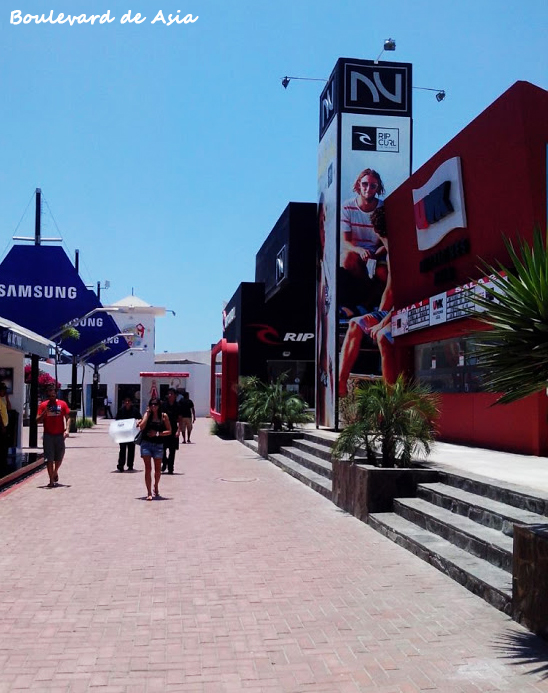
The Boulevard de Asia is located at kilometer 97.5 of the Pan-American Highway South. Until the 1980s, it was a desert where few families lived on the La Querencia estate, now called Santa Cruz de Asia. In 1998, Ramón Moyá began transforming this place into a business center, eventually turning it into a commercial hub.
Initially, it had only 2 premises, which later increased to 5, and currently, with an area of 45,000 square meters, it houses nearly 200 establishments, including supermarkets, restaurants, nightclubs, auditoriums, bookstores, cinemas, jewelry stores, hair salons, pharmacies, etc.
Key Destination Data
Altitude
50.50 m.s.n.m.
Best Season
Abril a Octubre (temporada seca)
Climate
Desértico
Natural Region
Costa
📍 Location
📍 Cañete, Lima
🛤️ Available Routes
📖 Adventure Stories
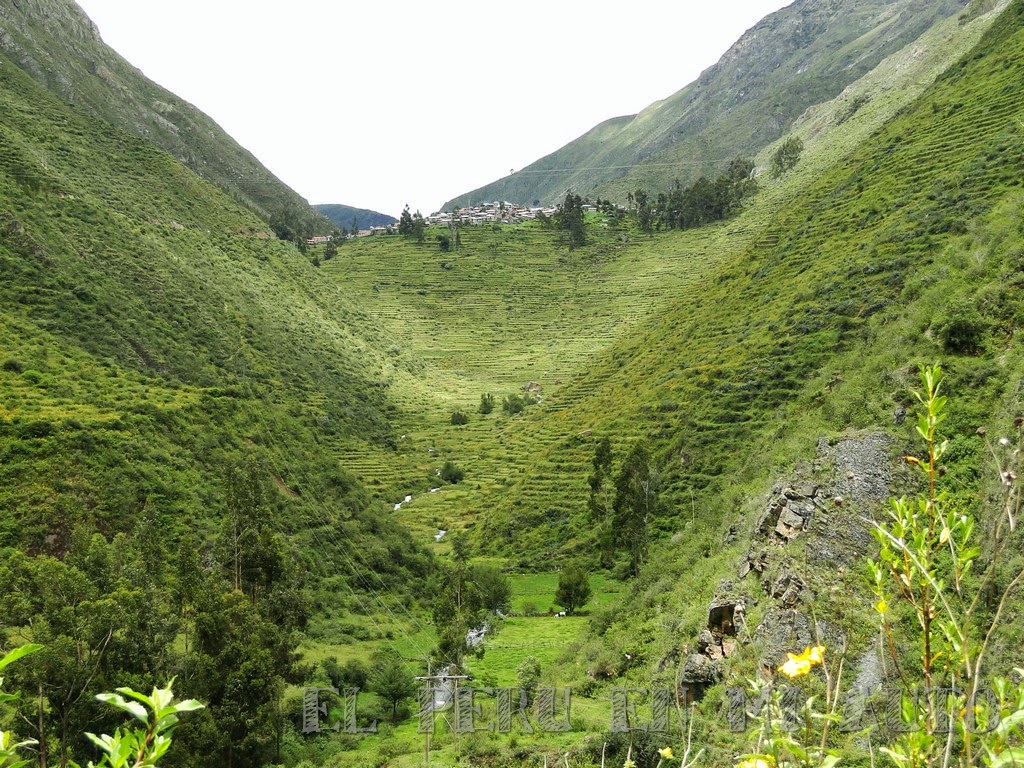
Route to the ancient terraces
Read adventure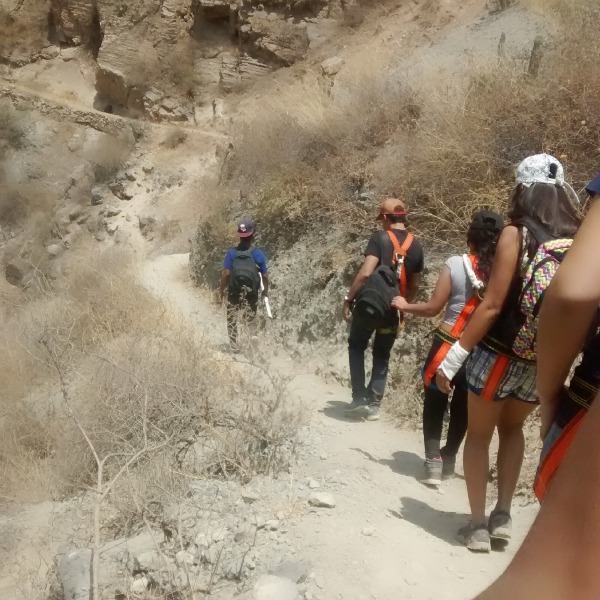
Autisha Canyon
Read adventure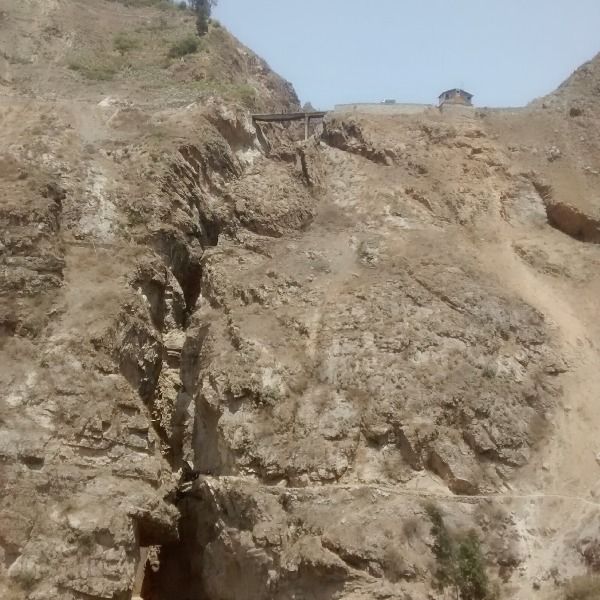
Autisha Canyon
Read adventure
Huanano Waterfall
Read adventure
Summit Nevado Mateo 5150 meters above sea level
Read adventure