Chinchero
Description
Chinchero is one of the 7 districts that make up the province of Urubamba, the origin of its name is unknown, but due to its climate, it has been called “The Land of the Rainbow”. This is a place characterized by its ancient traditions and customs that are still alive today. Chinchero is also attractive for its natural, cultural, architectural, religious, and archaeological resources found in its territory.
Currently, Chinchero has a population of over 15,000 inhabitants. It is composed of 12 indigenous communities that still maintain the social organization system of the ayllus, but no longer correspond to the one that was in place during the Spanish conquest. Following the organization system of the Tahuantinsuyo, they appoint their highest authority: the Varayoc. For this reason, Chinchero is recognized as one of the few places where the traditional form of trading in markets called barter is still preserved.
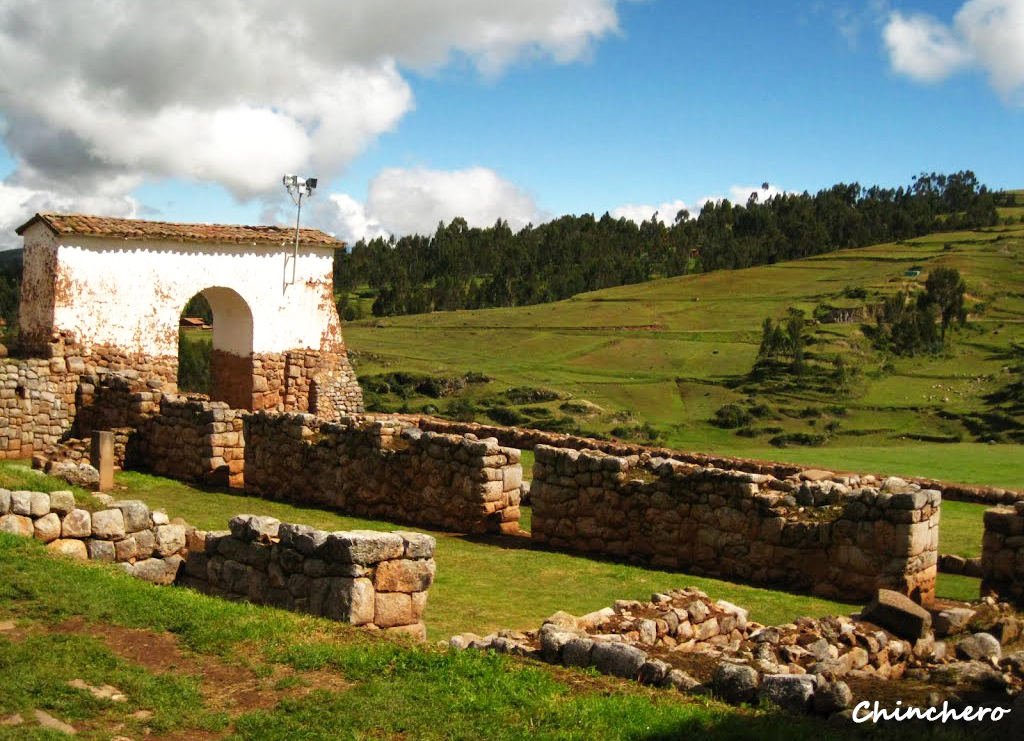
Photo: Konichiwa
History
The first inhabitants of the place were the ayarmacas, who, upon the arrival of the first Cusco governors to subdue them, defended their territory and offered strong resistance before becoming part of the empire.
Chinchero was founded amidst the most beautiful countryside with the purpose of serving as a resting place for the Inca Túpac Yupanqui. It was the most typical population of the Sacred Valley of the Incas, where the Spaniards tried to civilize, but to this day, its structures remain intact.
Location
The district of Chinchero is located 28 kilometers from Cusco, in the province of Urubamba. It is just before reaching the Sacred Valley.
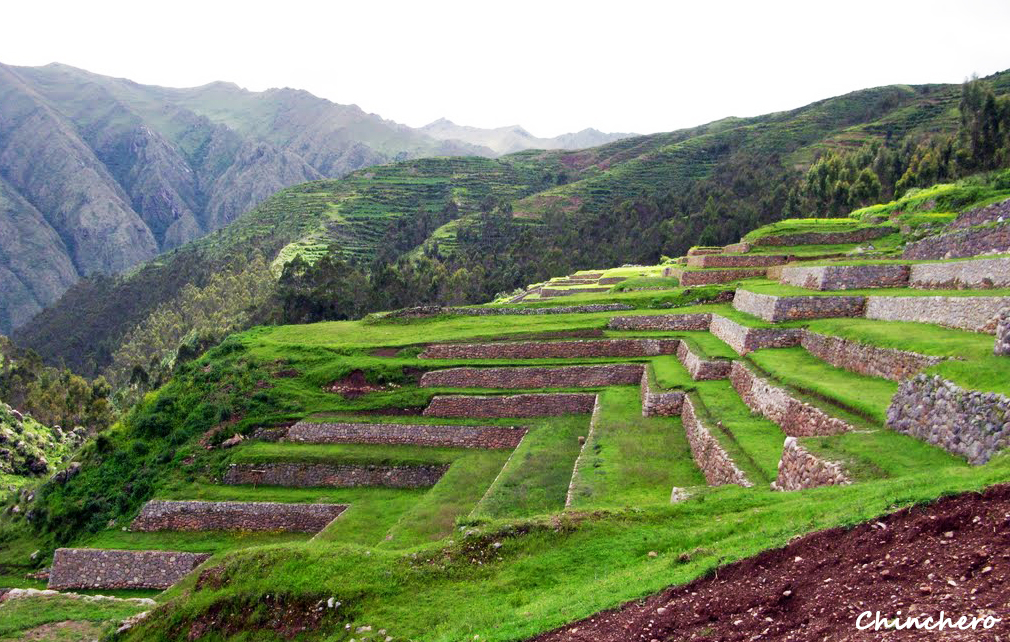
Photo: Razumikhina1
Climate and Temperature
The climate is cool, on sunny days the temperature reaches 20°C. The best season to visit Chinchero is between the months of May and September, a very good time because the weather is mild and you can better appreciate the landscapes you will explore. The average annual temperature is a maximum of 13°C and a minimum of 10°C.
Altitude
This district has an altitude of almost 4000 meters above sea level.
How to Get to Chinchero
The first step, of course, is to fly from Lima to Cusco, a journey that takes 1 hour and 20 minutes. You can also take a bus to the imperial city, but the journey is long, lasting a full day. Once in Cusco, you must take a bus heading to Urubamba, which passes through Chinchero after a 40-minute journey.
Video: SUNASS PERÚ
Adventure Sports
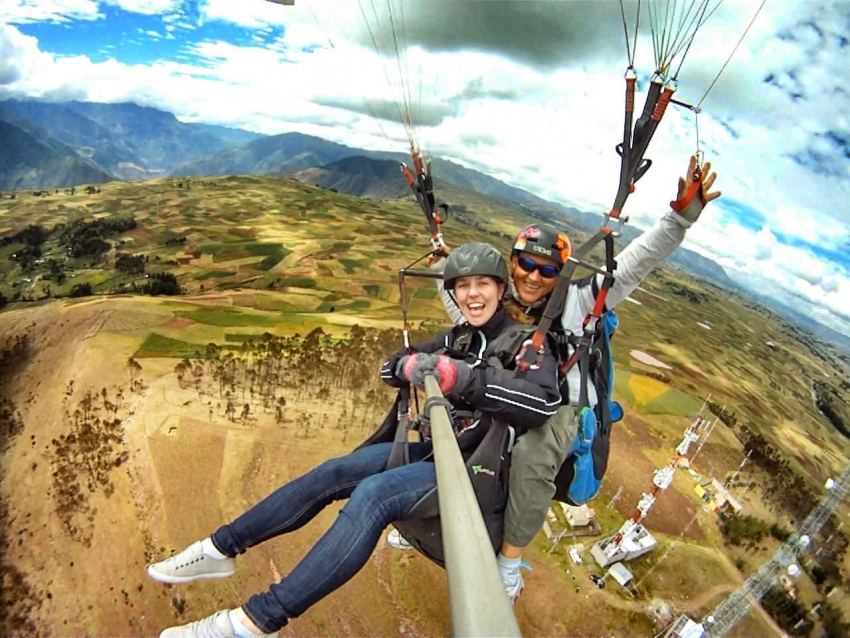
- Paragliding
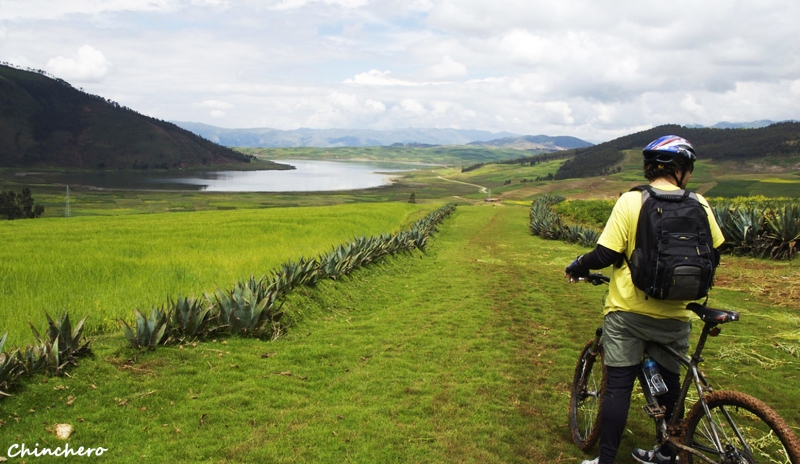
- Cycling
Tourist Attractions in Chinchero
The Temple: Located in the main square, this is one of the great treasures of the churches in the Cusco villages. It was completed in the year 1607.
The Murals: These murals are located in the aforementioned temple of Chinchero, also expressing the great importance this town had. The murals feature the Virgin of Monserrate, the procession of Chief Pumacahua, and the defeat of Túpac Amaru.
The Hacienda House of Mateo Pumacahua: This estate belonged to the curaca of Chinchero, Mateo Pumacahua, the most powerful leader in Peru in the 18th century. He was born in this same town in 1748 and was involved in the indigenous cause in 1814.
Chinchero Fair: This is a district's artisan fair, held every Sunday in the Main Square of the district. Here, there are local artisan vendors, and vendors from neighboring towns also come to offer their products.
Piuray Lagoon: This lagoon is located at kilometer 27, Piuray supplies water to the city of Cusco, since the time of the Tahuantinsuyo. These are underground aqueducts built by the Incas, carrying water to the imperial city.
Carved Stones: Located on the outskirts of the town, the most striking is the limestone rock that resembles the pedestal of a statue with the image of an animal.
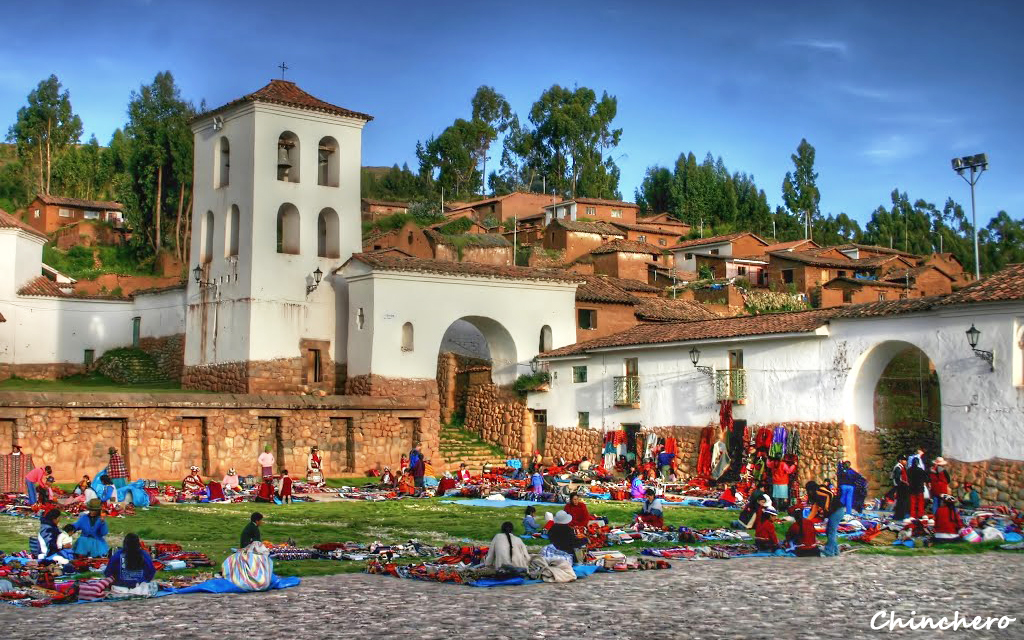
Photo: Jürgen Kozok
Key Destination Data
Altitude
3762.50 m.s.n.m.
Best Season
Abril a Octubre (temporada seca)
Climate
Templado de montaña
Natural Region
Sierra
📍 Location
📍 Urubamba, Cusco
🛤️ Available Routes
📖 Adventure Stories
CUSCO IMPERIAL CITY
Read adventure
Flights in the Sacred Valley of the Incas
Read adventure
Cusco
Read adventure
Pure Life
Read adventure
Enduro in Urubamba Mountain Range
Read adventure