Have you ever wondered what the names of the highest mountains in the world mean? The highest mountains in the world, also known as 'Eight-thousanders' or 8K, are renowned not only for their conditions, shapes, and incredible heights but also for the names they bear. Many mountaineers and adventure sports enthusiasts, including Hiking and Climbing enthusiasts, recount that each 'eight-thousander' carries rare names, full of historical, poetic, and even sacred meanings. Do you want to know what each name of these mountains means? Find out in this De Aventura post.
 Himalayas Photo: Taringa
Mountain Names:
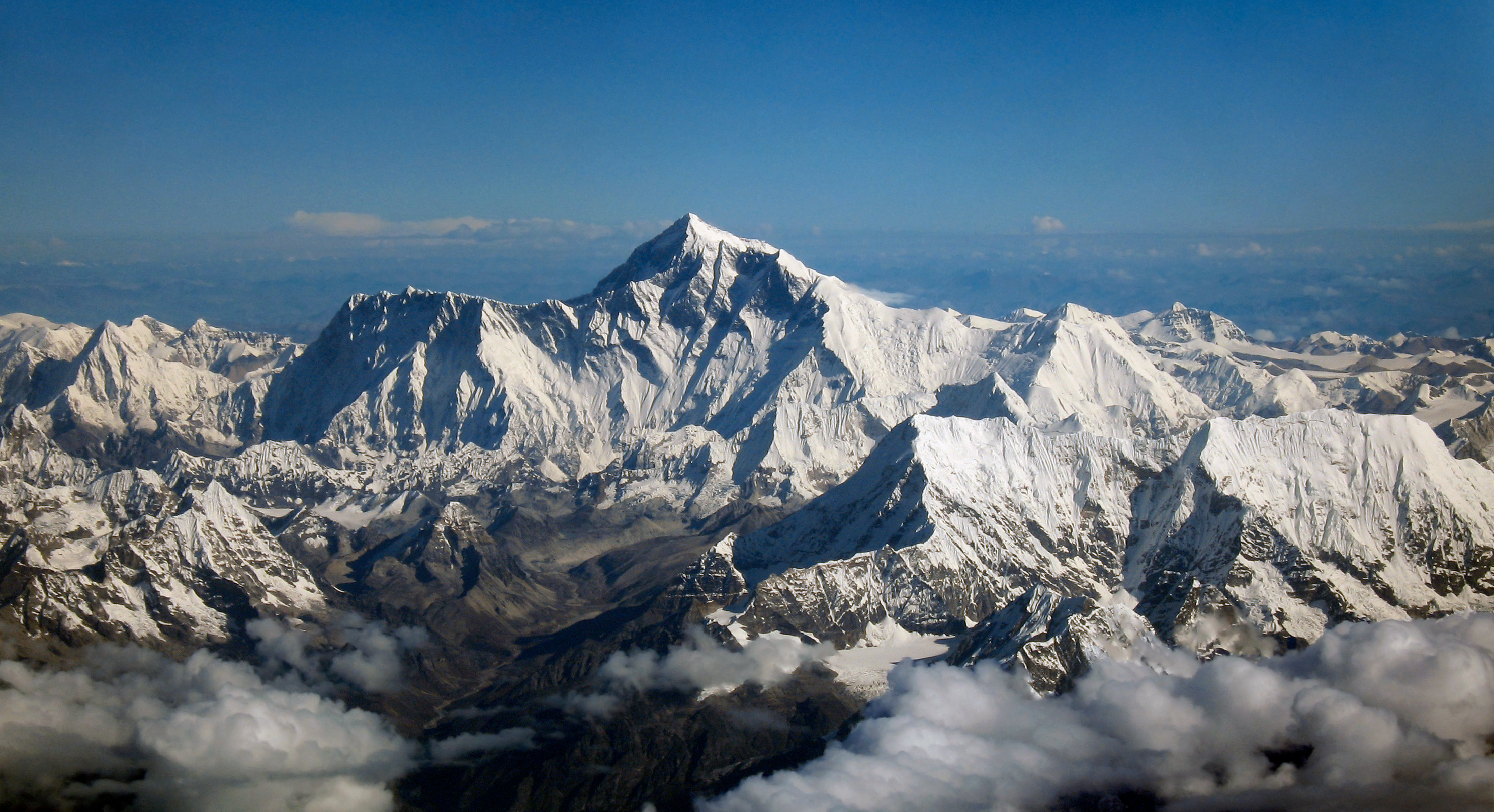
- Everest, the tallest mountain on the planet at 8,848 meters above sea level, is called by various names. Everest is the most common, a name given in 1865 in honor of the surveyor George Everest. However, it was discovered that in the Darjeeling language it was known as Deodungha, 'Sacred Mountain'; Additionally, in Tibet, this mountain was known as Chomolungma, meaning 'Mother of the Universe'. In 1960, the Nepalese government established a new name for Everest: Sagarmatha, which translates to 'Forehead of the Sky'.
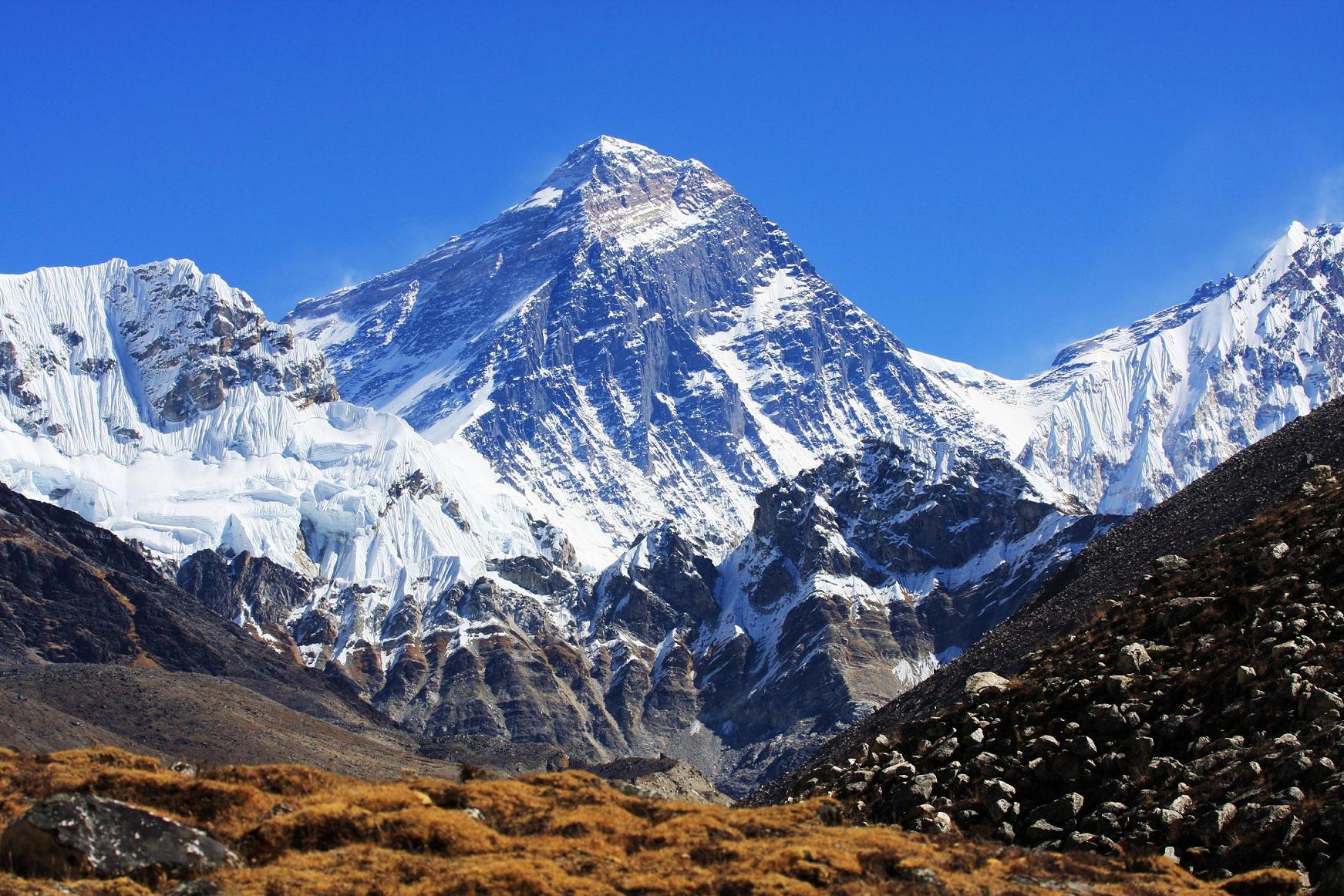 Everest Photo: Mountaintravelphotos
- The K2, the second highest mountain in the world at 8,611 meters above sea level, is named thanks to the geographer Thomas Montgomerie, who used "K2" to denote the most distant peak from the Karakoram glacier, hence the use of "K" in the name. In China, it was known as Qogir, derived from the word Chogori, which means nothing less than 'Great Mountain'.
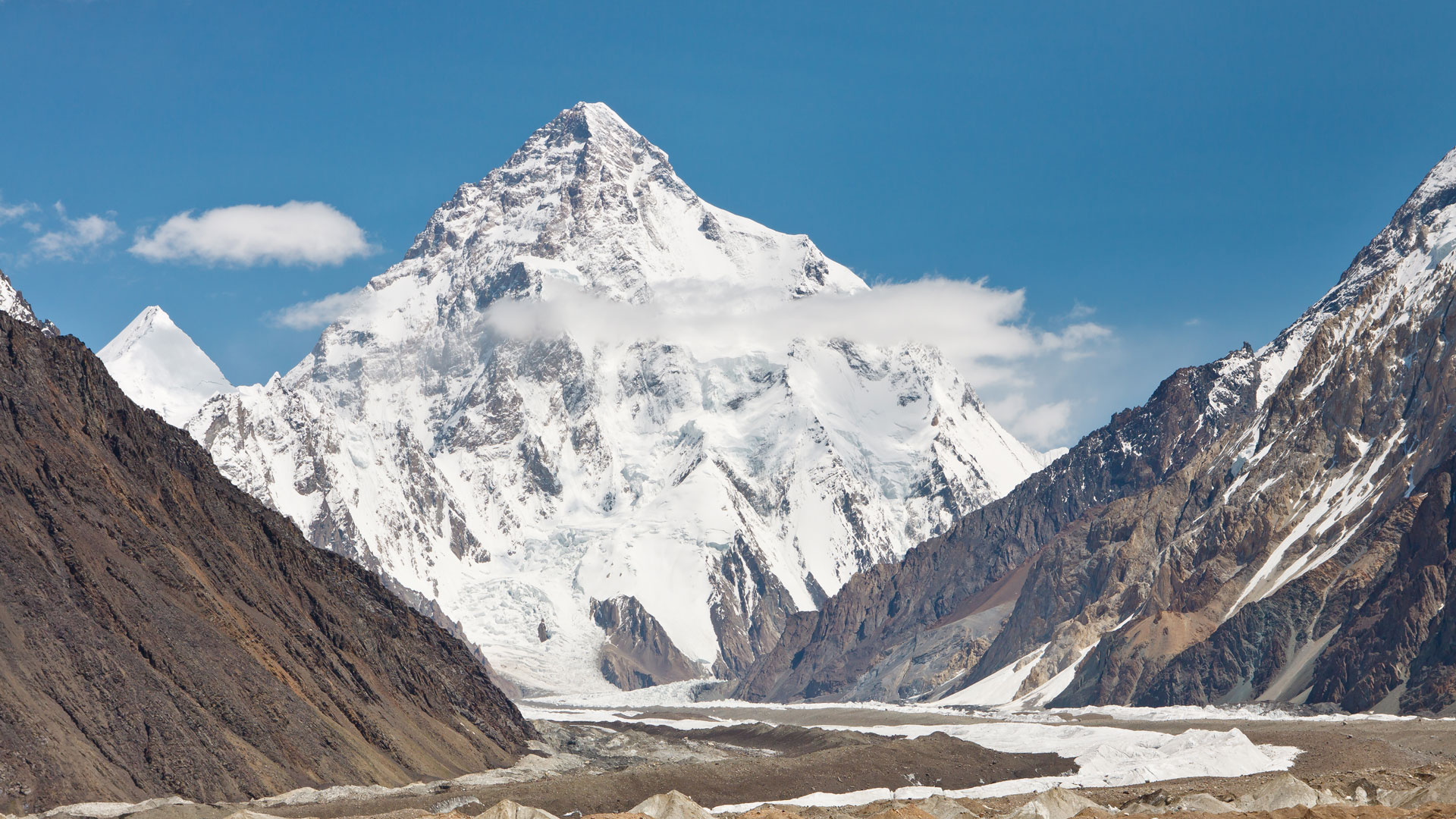 K2 Photo: Summitpost
- The third highest mountain on earth is Kangchenjunga at 8,586 meters above sea level. This name derives from the meaning 'The five treasures of the snows'. This phrase comes from the words Kang (Snow), Cheng (Big), Zod (Treasure), and Nga (Five), all referring to the five peaks of this mountain. Each summit is assigned a treasure from God: gold, silver, gems, grain, and sacred books.
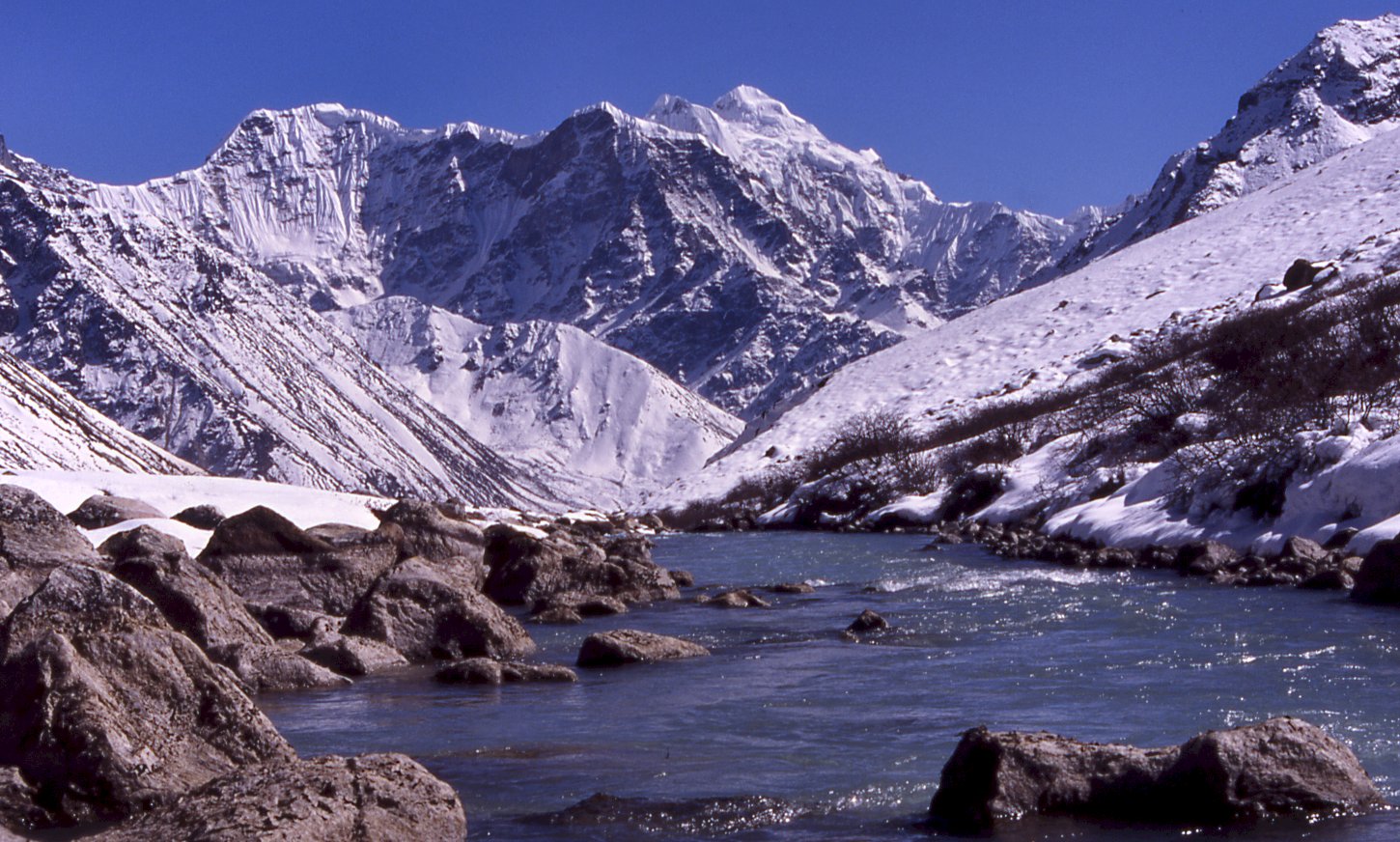 Kangchenjunga Photo: myhimalayas
- Makalu at 8,516 meters above sea level is the fifth highest mountain among the 'eight-thousanders'. One of its characteristics is the dark rocky pyramid shape that makes up its geography. Hence, it is called 'Black Mountain' or 'Makalungma'.
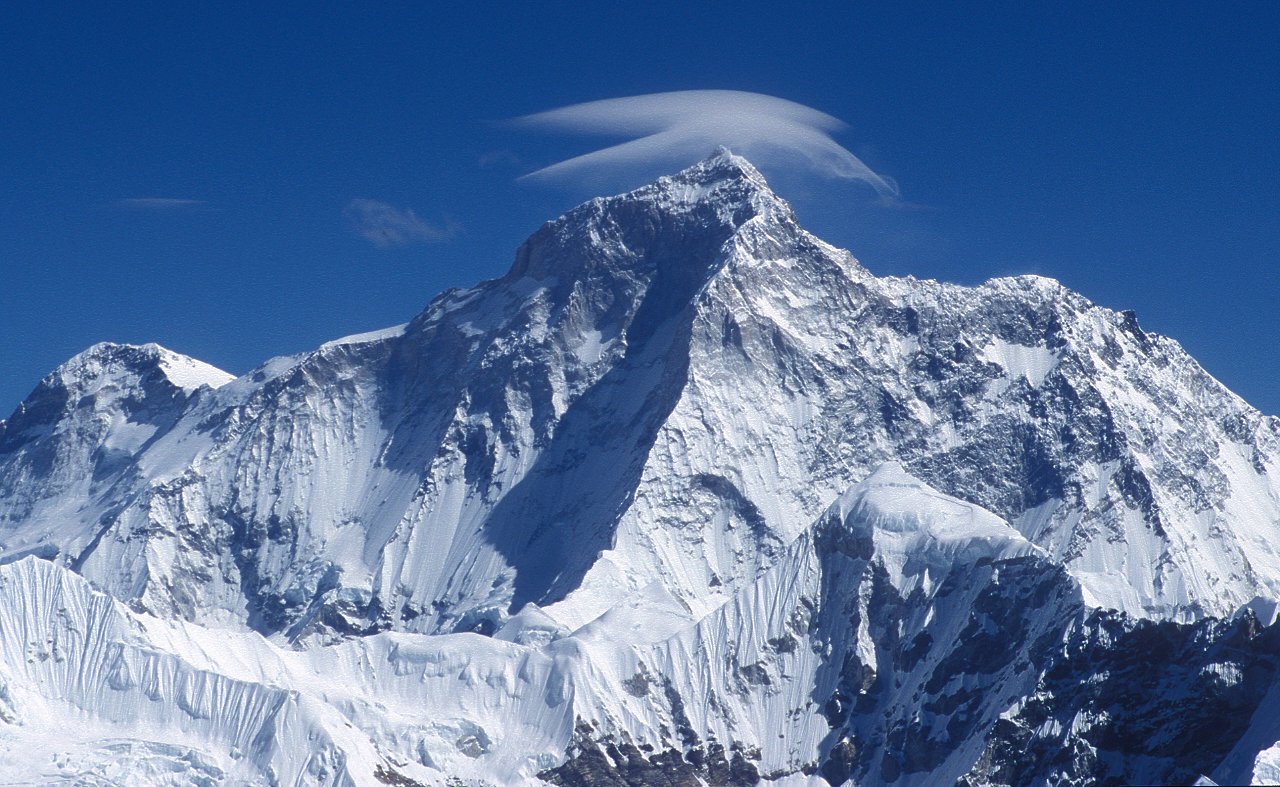 Makalu Photo: Wikipedia.org
- The seventh and eighth highest peaks in the world are Dhaulagiri at 8,167 meters above sea level and Manaslu at 8,163 meters above sea level. Both have their names originating from the Sanskrit language, describing them as 'Dazzling Mountain' (Dhwala = Dazzling and Giri = Mountain); And Mountain of Spirits (Mansa = Soul) or Kutang.
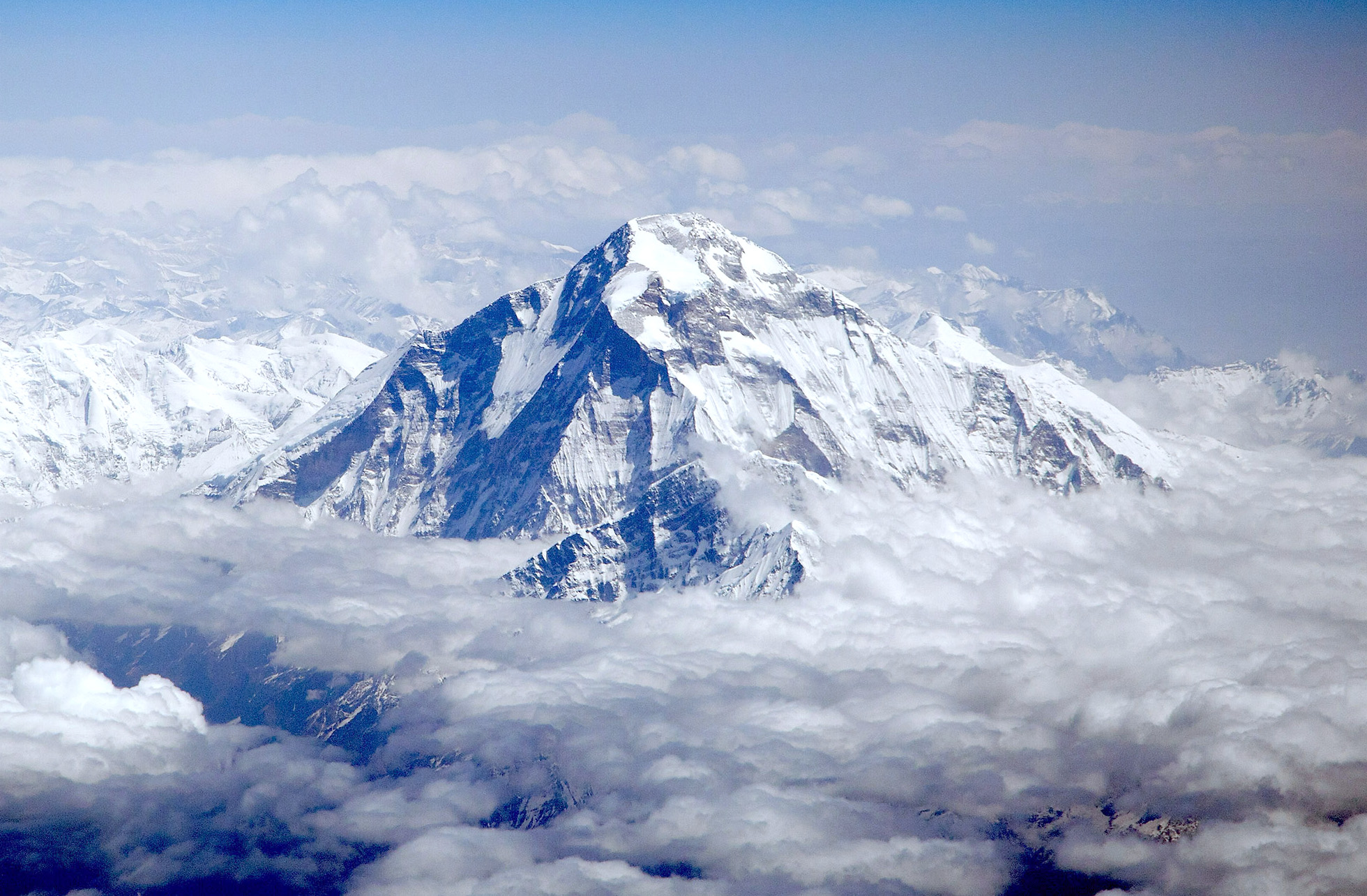 Dhaulagiri Photo: Cho.oyutrekking
- Ranked ninth among the world's largest mountains is Nanga Parbat at 8,125 meters above sea level, known for its name's literal connotation, reflecting its geography. Known as 'Naked Mountain' in reference to its prominent presence in a rather isolated environment.
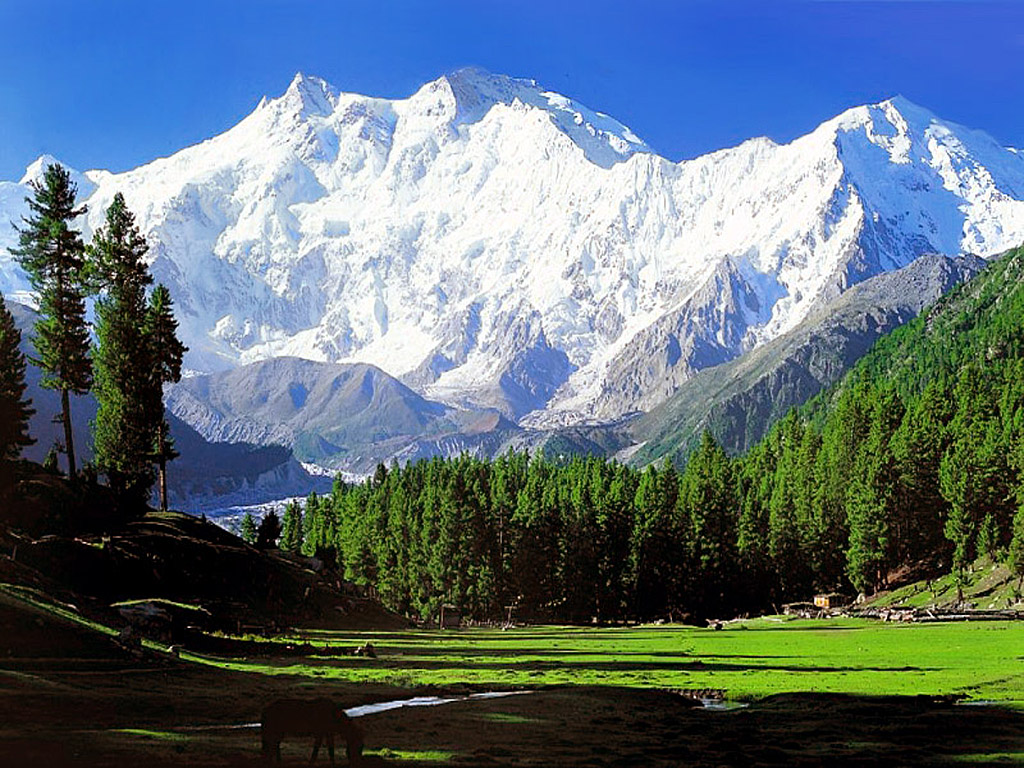 Nanga Parbat Photo: Revista Oxigeno
- The Gasherbrum 1 (G1) is one of the two mountains hosting the Gasherbrum glacier. This peak (G1) is one of the most elevated and beautiful on the planet at 8,080 meters above sea level. Its name naturally translates to 'Shining Wall,' but its true origin comes from the Balti words: Gasha (Beautiful) and Brum (Mountain), with its correct translation being 'Beautiful Mountain'. Other names given to G1 are: K5, Hidden Peak, and Moravi 1.
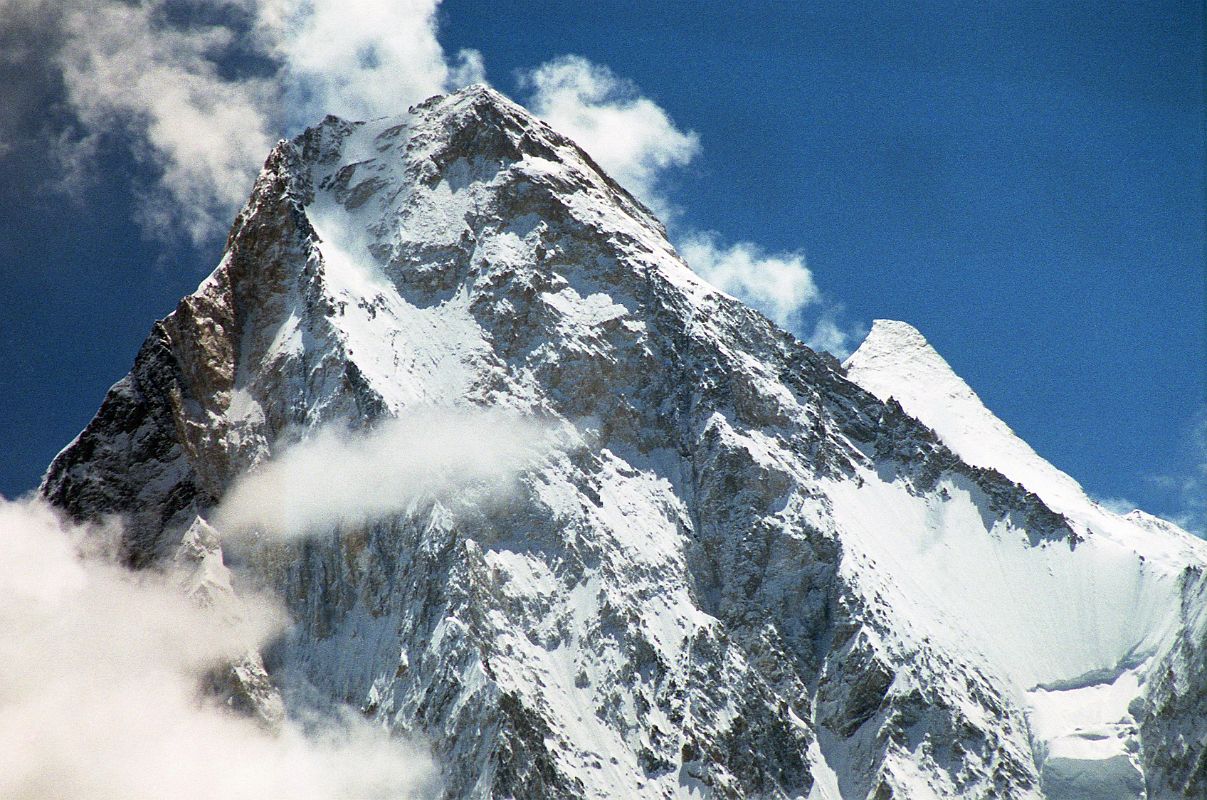 Gasherbrum1 Photo: Mountaintravelphotos
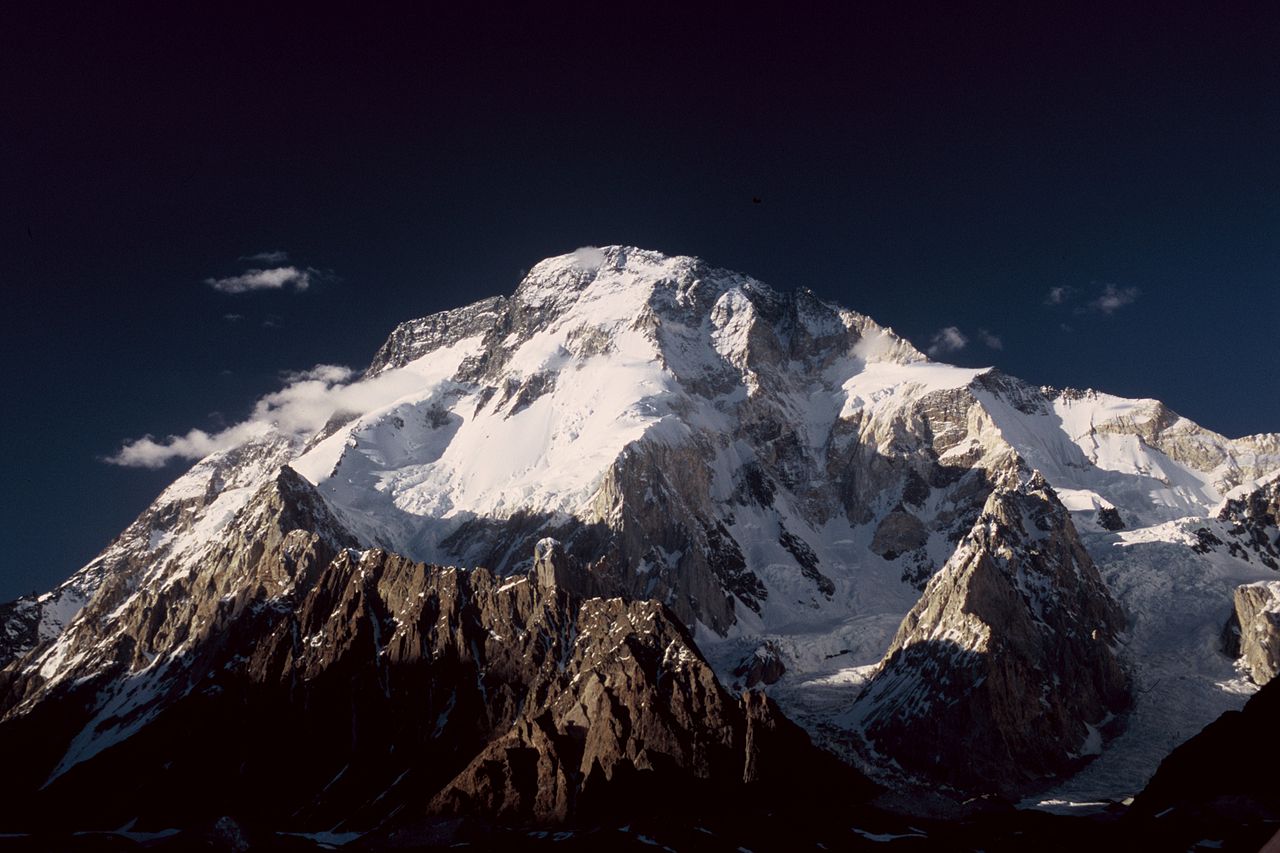
- Initially, the mountain Broad Peak, the twelfth highest in the world, was known as K3 thanks to Thomas Montgomerie, who named it during his 1856 expedition. By 1892, it was renamed Broad Peak (Wide Peak) due to its summit being nearly a kilometer and a half wide.
 Broad Peak Photo: Summitpost
- The Shisha Pangma is the fourteenth highest peak in the world at 8,027 meters above sea level, with many hypotheses about its name. Some, like geologist Toni Hagen, attribute the name of this mountain to the Tibetan words Shisha (Crest) and Pangma (Grassy plain), clearly resulting in a meaning of 'Crest above the grassy plain'. Others give it the name Gosainthan, which in Sanskrit means 'Abode of God'.
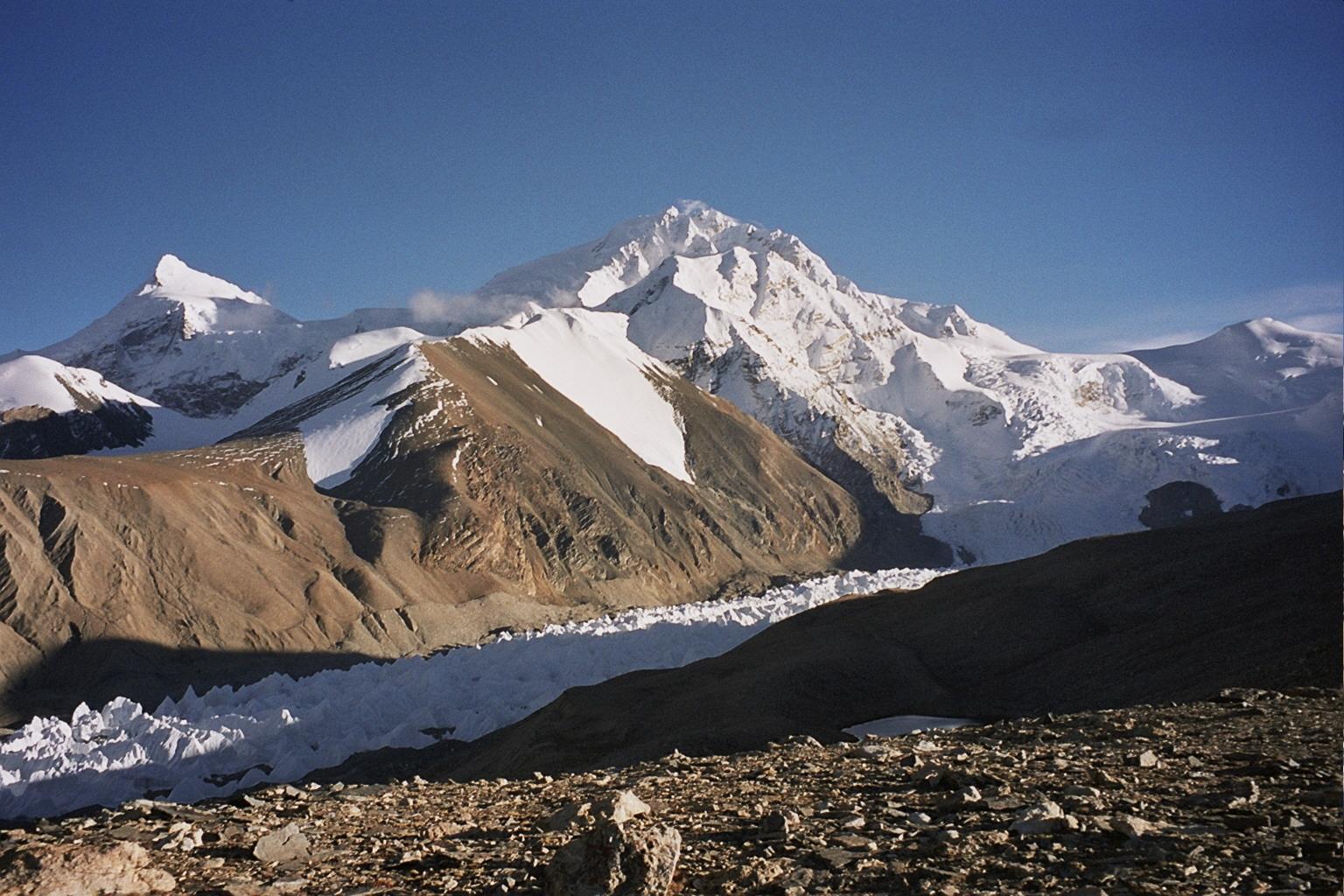 Shisha Pangma Photo: Imagesci
Now that you know more about the meanings of the names of the world's highest mountains, can you imagine what the names of mountains in Peru mean? Don't worry, we'll save that for the next De Aventura post.
Blog Author
DeAventura Team