Adventure Tourism in Peru
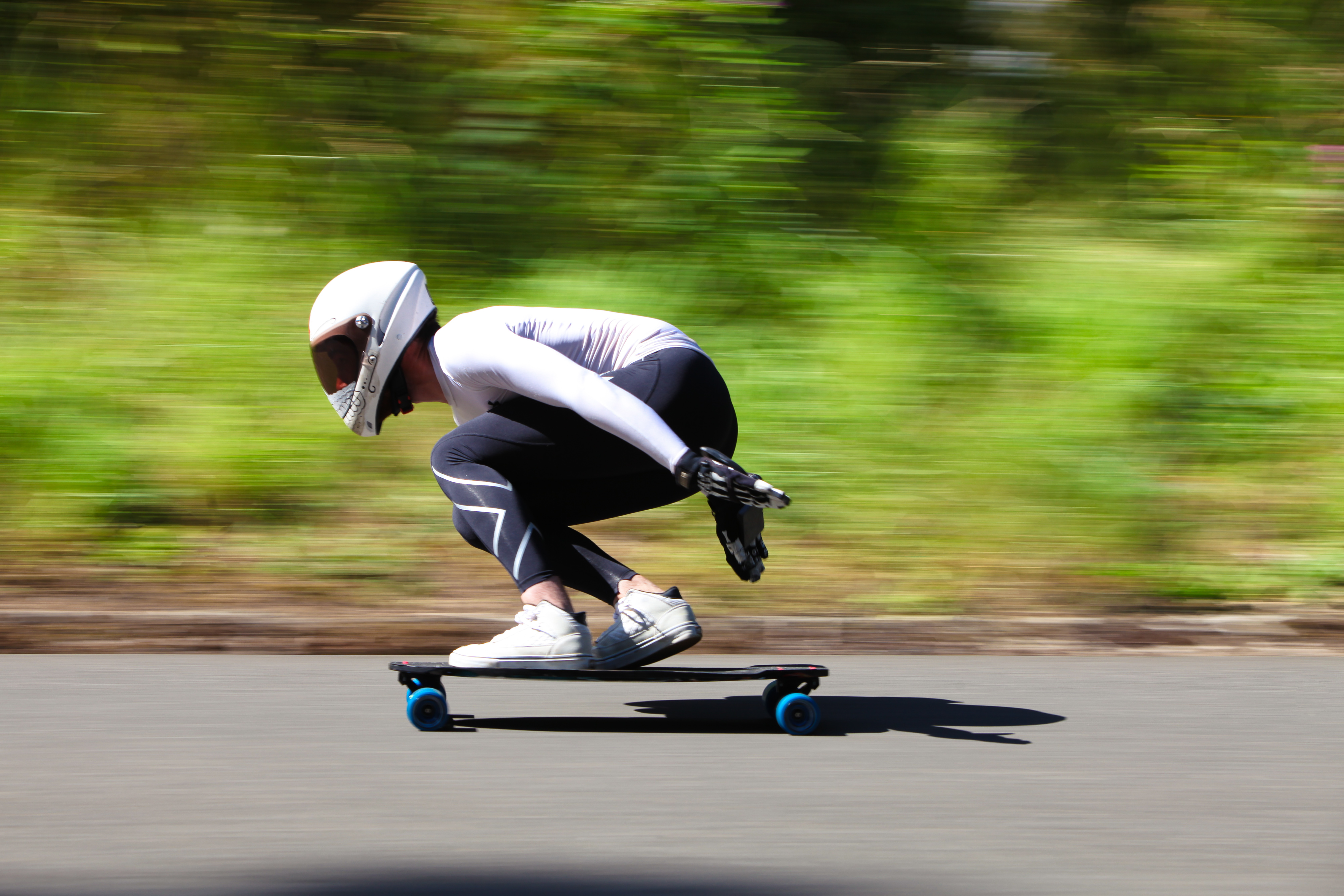
Adrenaline and speed are for many a perfect and addictive mix. But only a few can enjoy it on a board at 70km/h and just a few centimeters from the ground. Kick, encapsulate, cut through the wind, and let yourself be carried away by this adventure sport that grows more and more in our country every day.
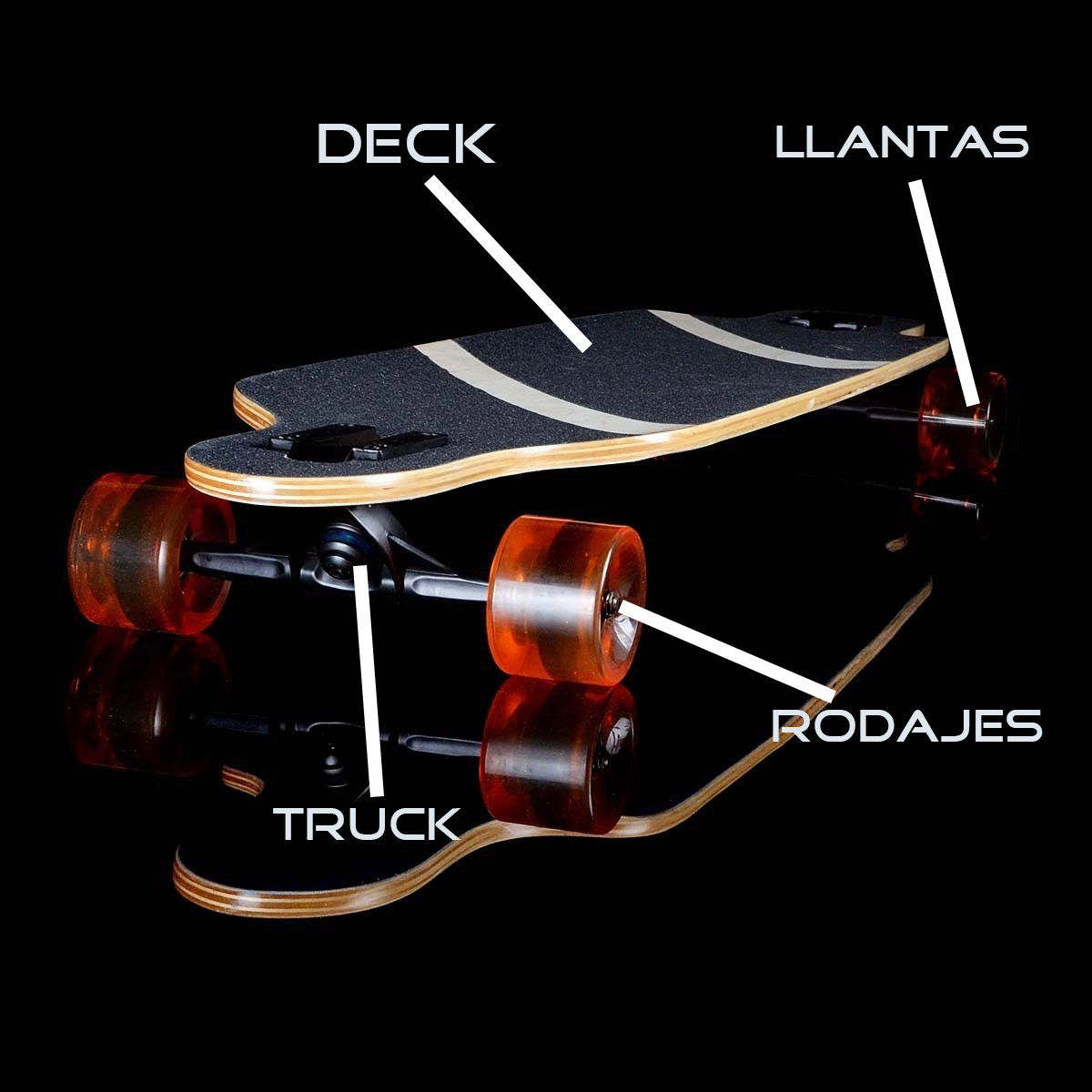

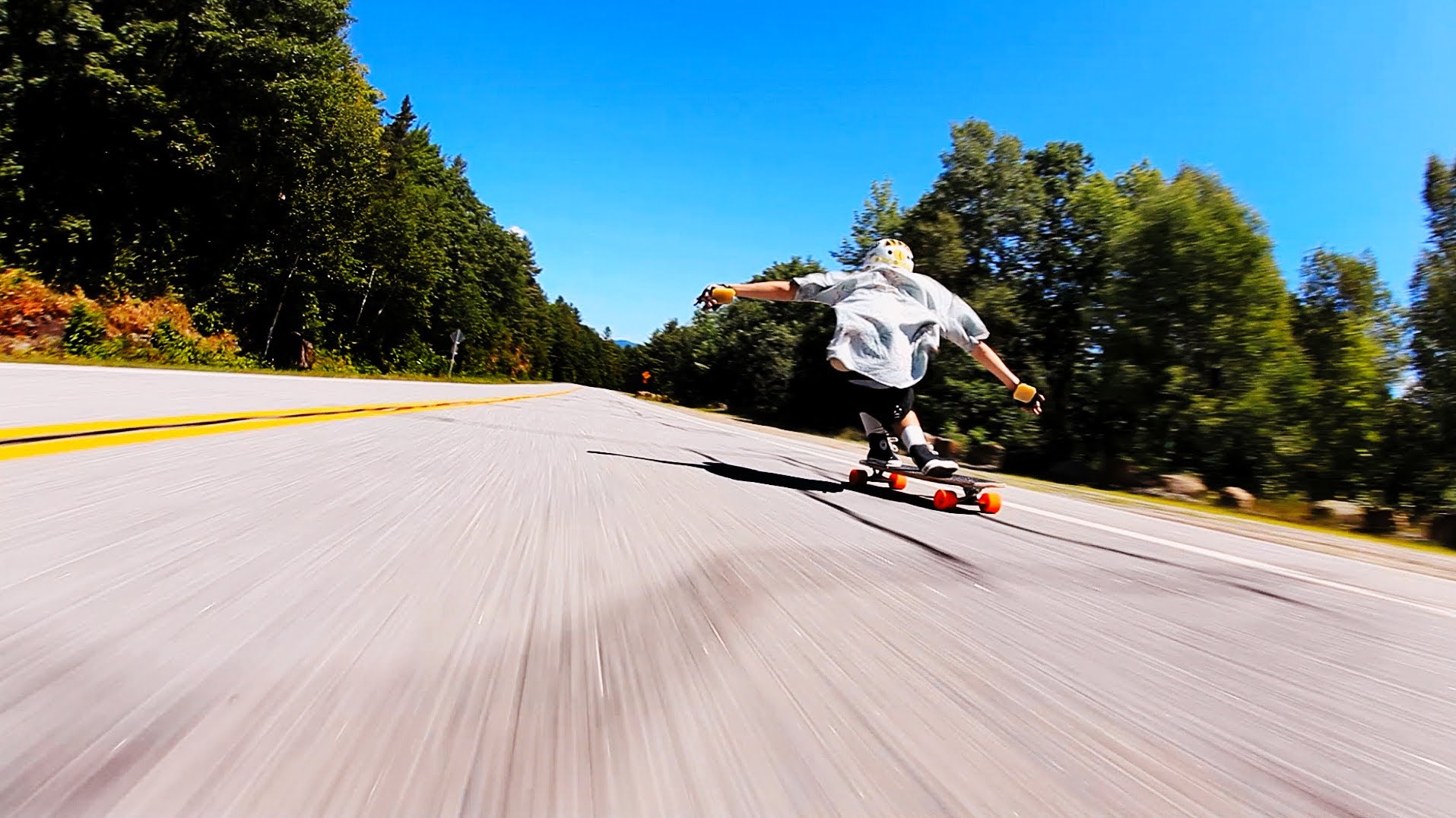 Photo: Ytimg.com
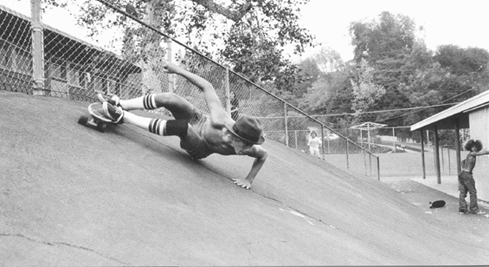 Photo: Surfer.cl
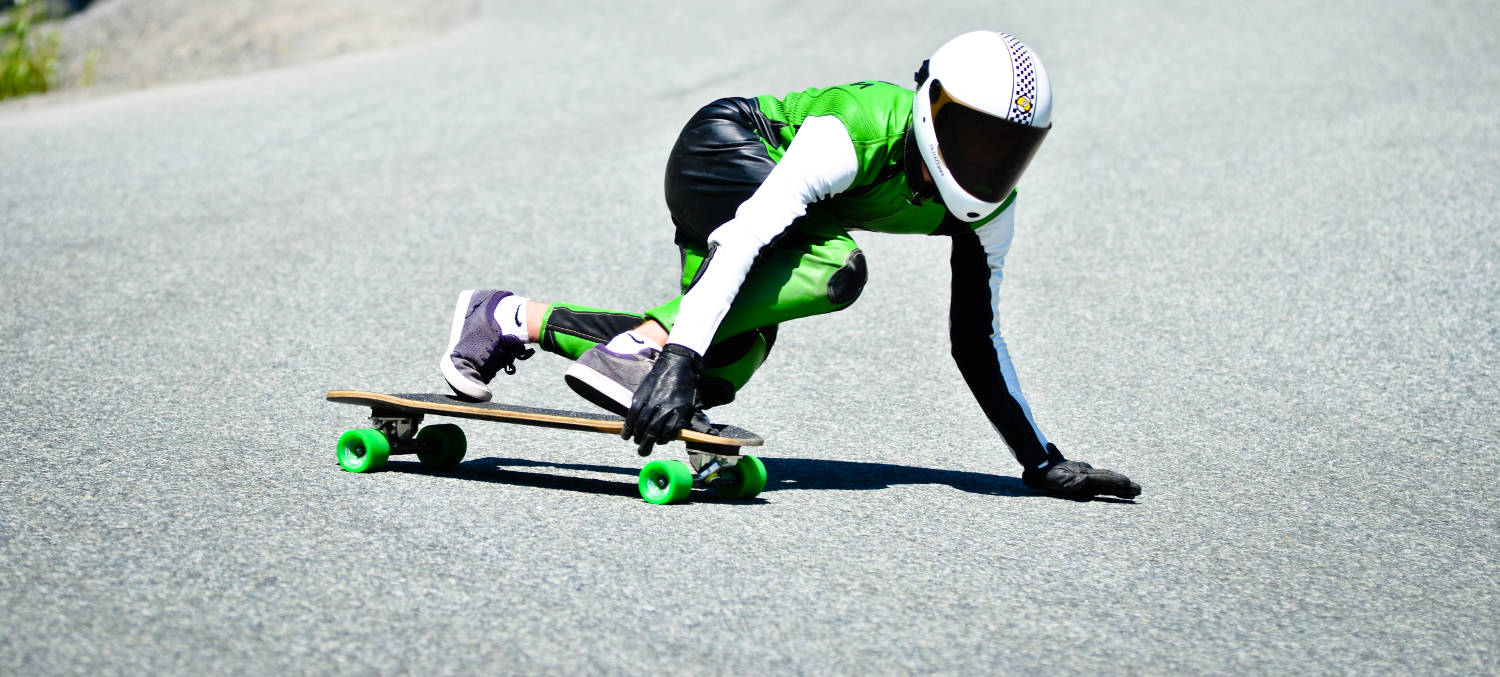 Photo: Longboardmedia.fr
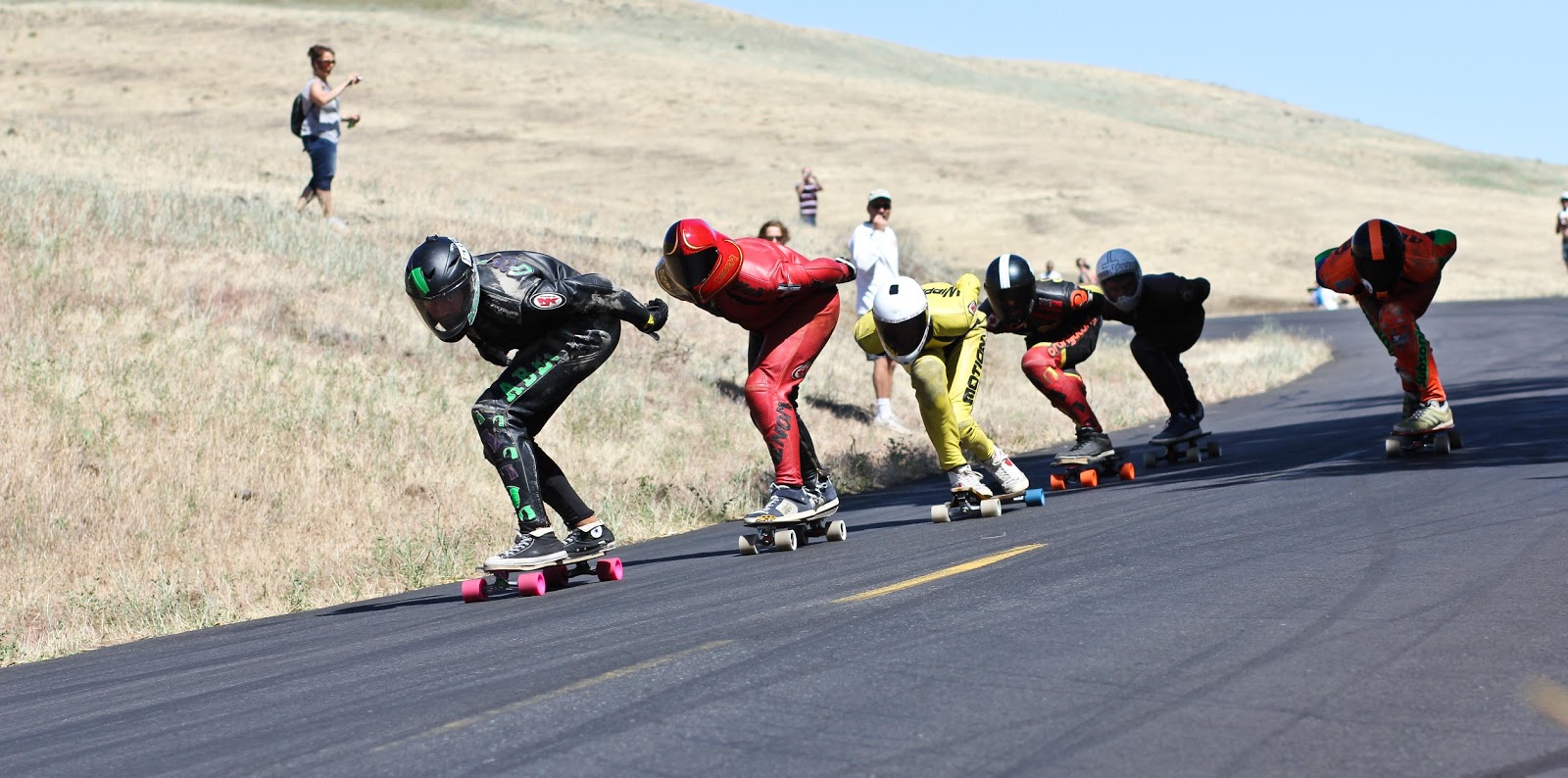 Photo: 3.bp.blogspot
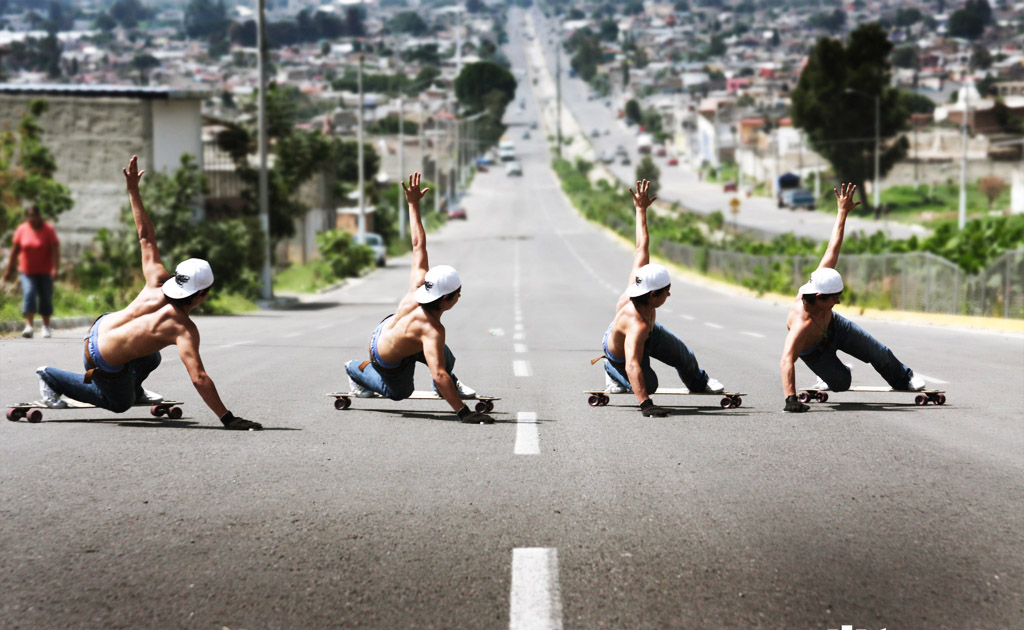 Photo: longboardpucela.blogspot.com
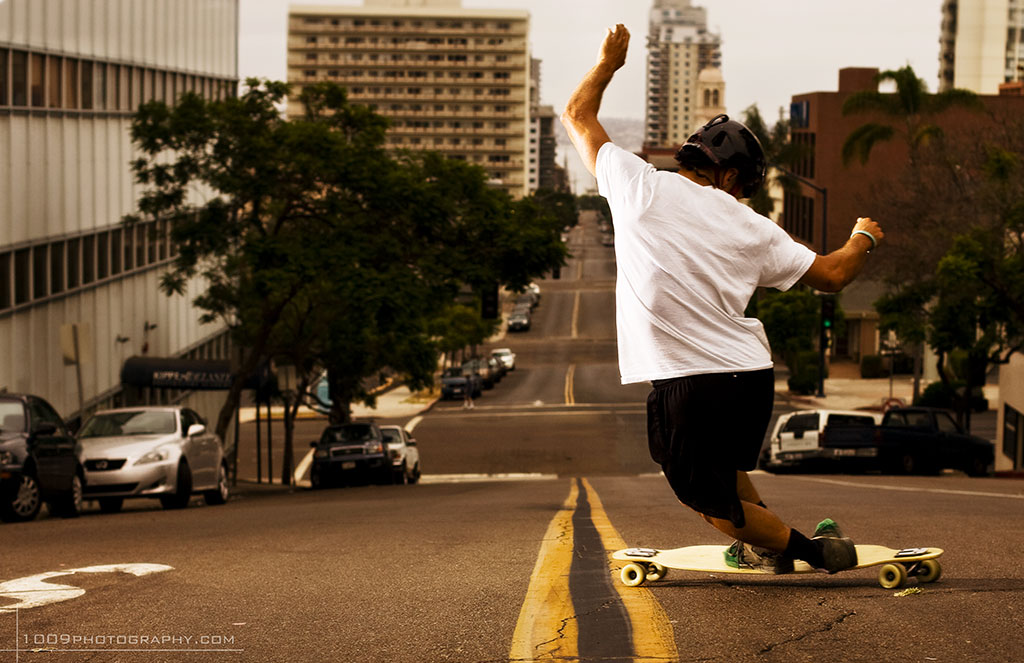 Photo: musicandlongboard.blogspot
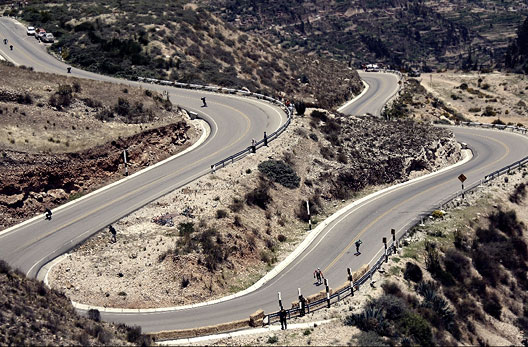 Photo: 40sk8.com
- Deck: There are many shapes and sizes, ranging from 35 to 45 inches in length. The shape of the board greatly influences the style you want to practice. They need grip tape attached to prevent foot slippage.
- Trucks: These provide the direction and tilt of the board on the asphalt, with many types having specific characteristics. It's important to choose trucks based on your weight and the modality you practice.
- Bushings: These are soft accessories that go on each truck, two on each, providing the appropriate response to the longboard during turns, significantly affecting handling and balance. It's recommended to choose them based on your weight and technique.
- Bearings: Determine the acceleration and rotation of the longboard wheels, located inside the wheels to allow them to spin quickly on the truck axles.
- Wheels: Measured in size and hardness. Size categories are in millimeters (mm), and hardness is based on how soft or rigid they are. There are special wheels for downhill, others for freeride, depending on what you want to do.
A
Blog Author
DeAventura Team