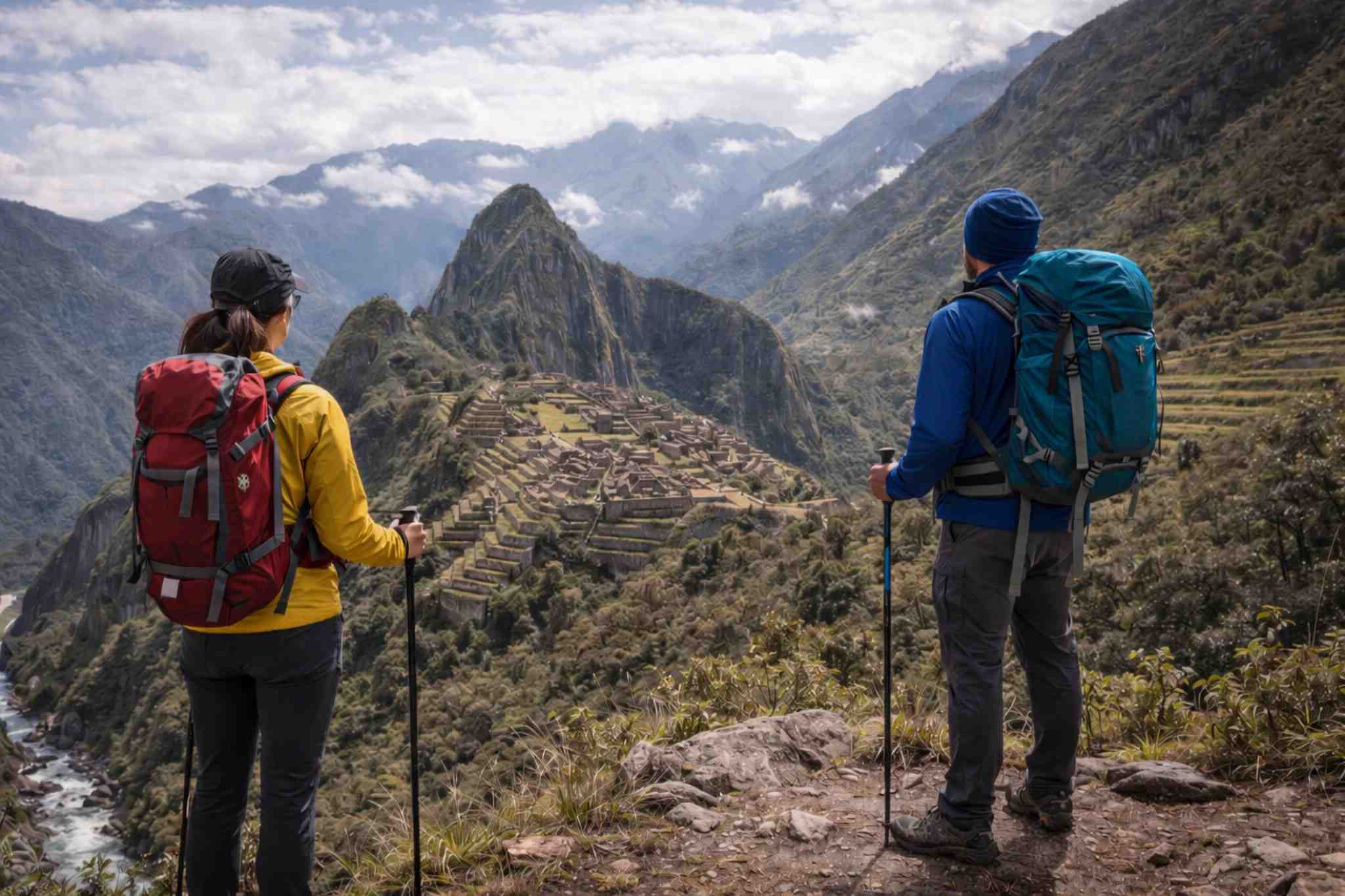
Many mountaineers and travelers who practice adventure sports come to Peru to engage in outdoor activities and enjoy the breathtaking views of the highest and most beautiful mountains in our country.
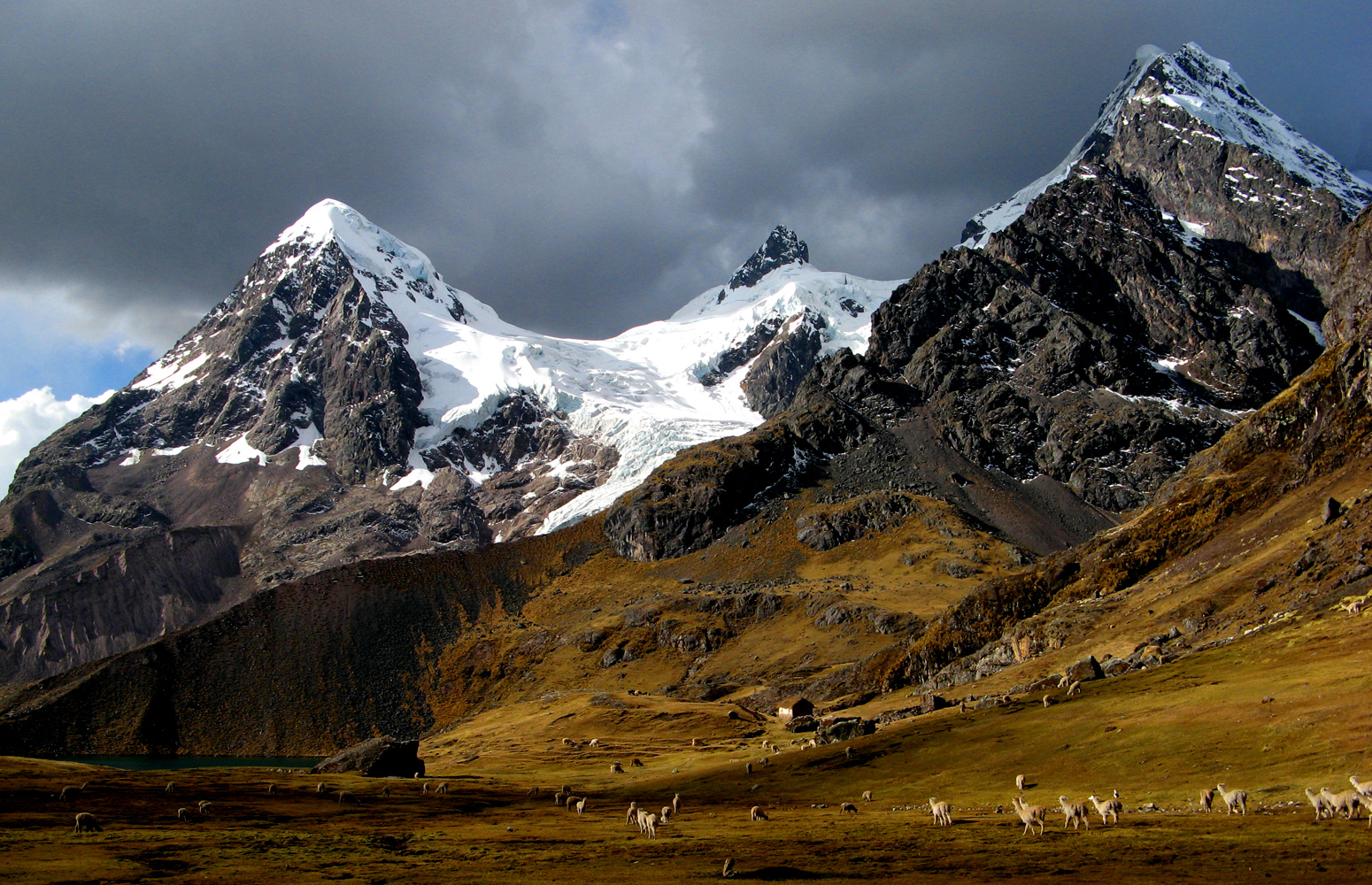
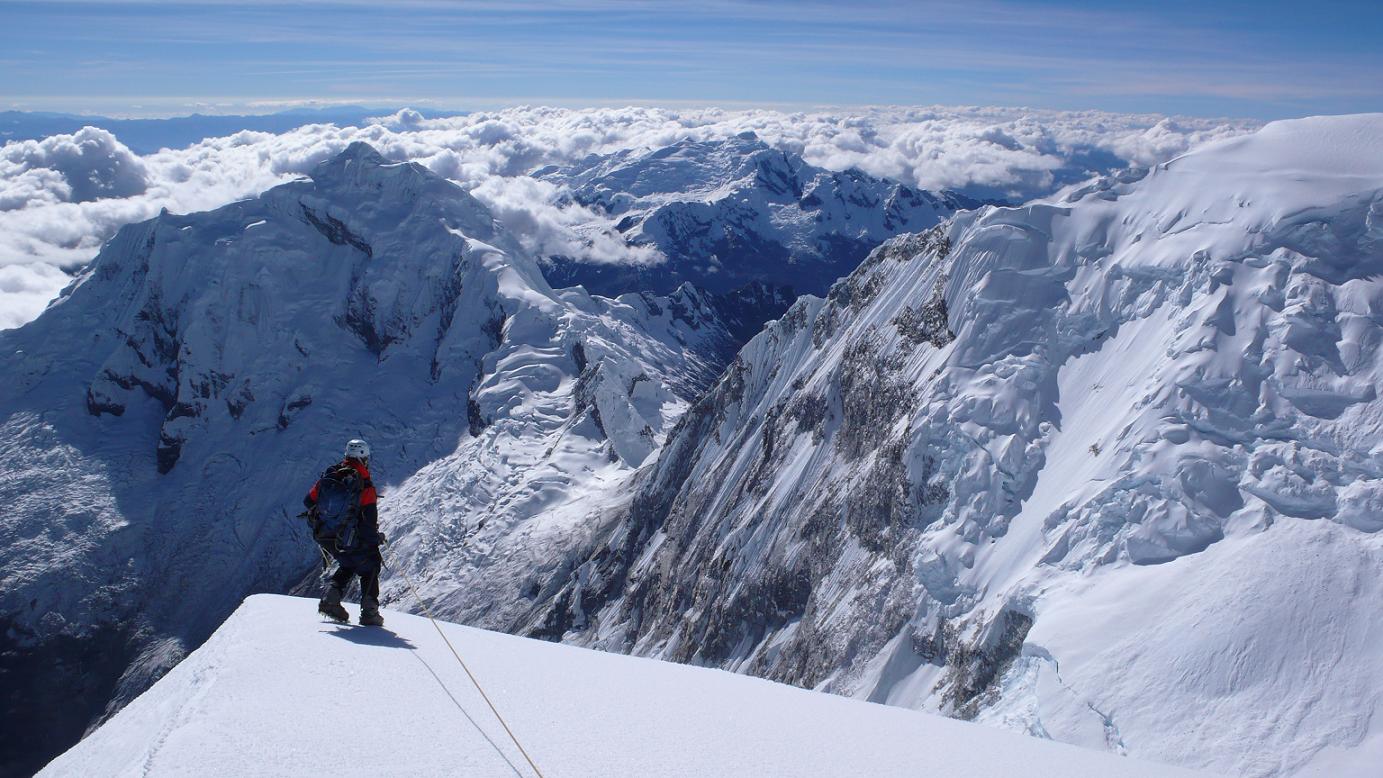
The highest mountains in Peru 1. Huascarán Mountain: located within the Huascarán National Park (a UNESCO World Heritage Site in Peru).- Altitude: 6,768 m.
- Located: Cordillera Blanca, Yungay province (Ancash).
- Summit: North peak: 6,555 m and South peak: 6,768 m.
- Ideal for climbers and hikers.
- Climbing season: between June and August.
 Source: Sernanp.org.pe
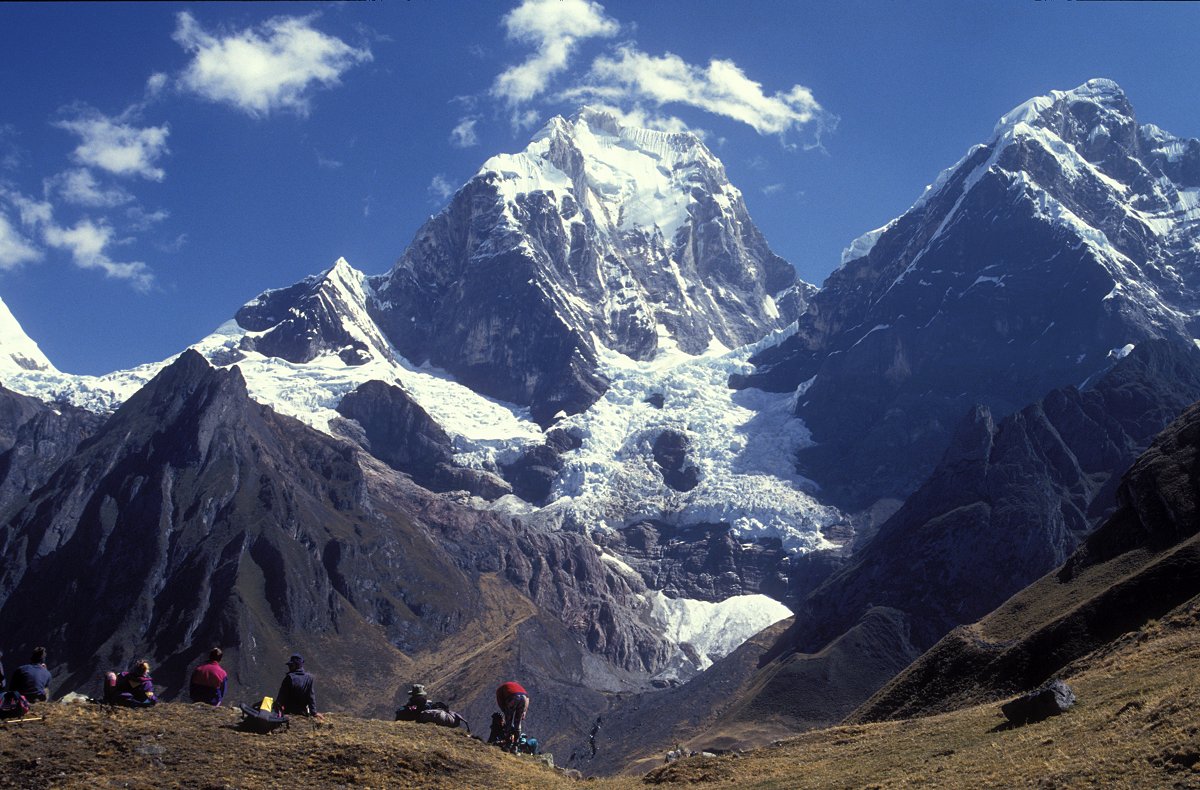
2. Yerupajá Mountain: located in the Huayhuash mountain range in central Peru, access to this mountain is through Huaraz, where climbers head to the town of Chiquián before reaching the mountain.
Source: Sernanp.org.pe
2. Yerupajá Mountain: located in the Huayhuash mountain range in central Peru, access to this mountain is through Huaraz, where climbers head to the town of Chiquián before reaching the mountain.
- Altitude: 6,634 m.
- Located: On the border of Ancash, Huánuco, and Lima.
- Meaning: White Dawn
- Ascent: challenging, due to its ridges and almost vertical walls.
- Summit: sharp ridge known as the butcher.
- Ideal for mountaineers and professional hikers.
 Source: Junglekey.fr
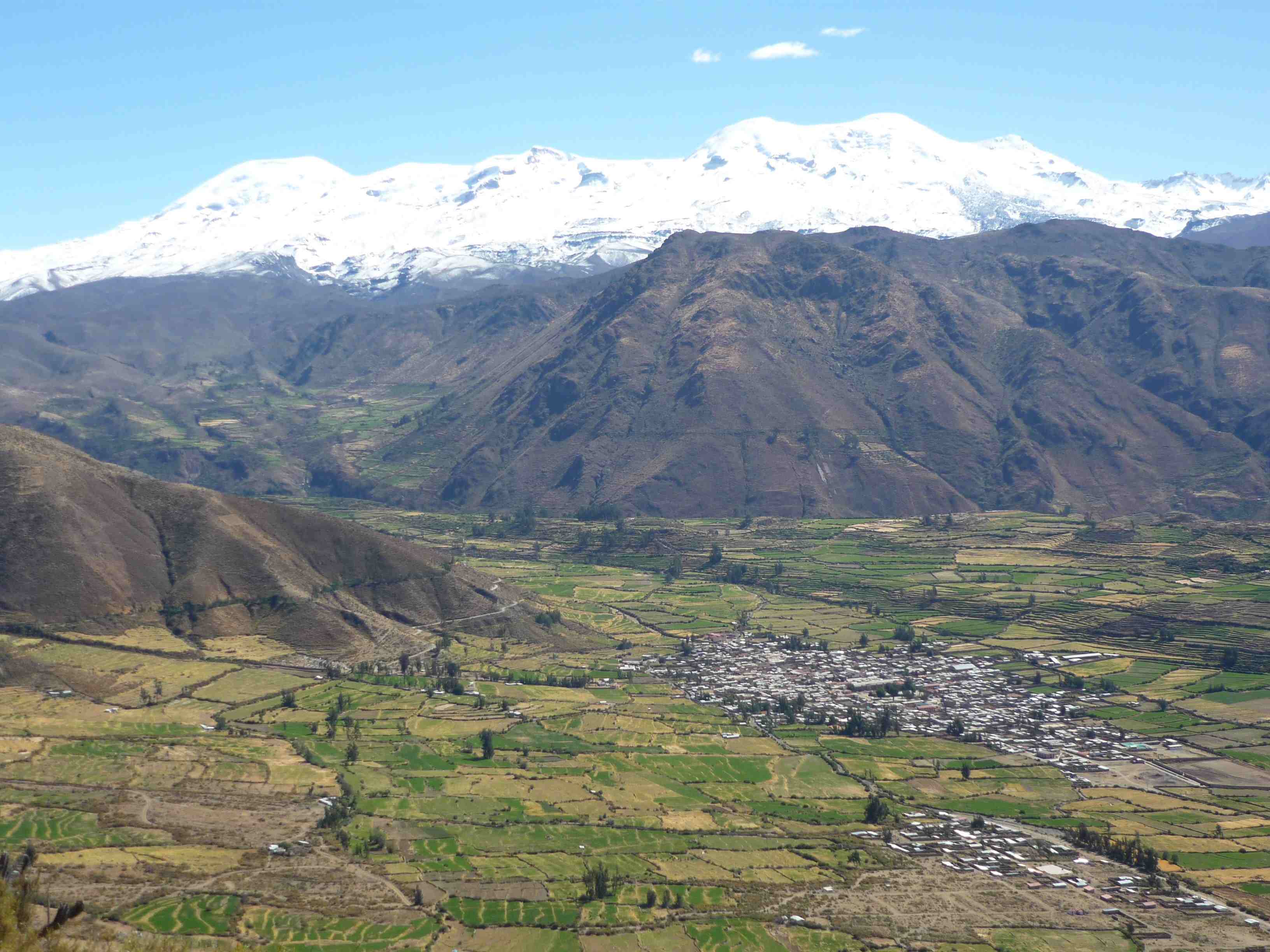
3. Coropuna Mountain: Part of the Ampato mountain range, located northwest of Arequipa, near Chuquibamba, considered the third largest snow-capped mountain and the highest volcano in Peru.
Source: Junglekey.fr
3. Coropuna Mountain: Part of the Ampato mountain range, located northwest of Arequipa, near Chuquibamba, considered the third largest snow-capped mountain and the highest volcano in Peru.
- Altitude: 6,425 m.
- Located: Ampato mountain range in the province of La Unión (Arequipa)
- Meaning: reflection on the plateau
- Summit: an ice-covered plateau with six cones settled on it.
 Source: maucallacta.com
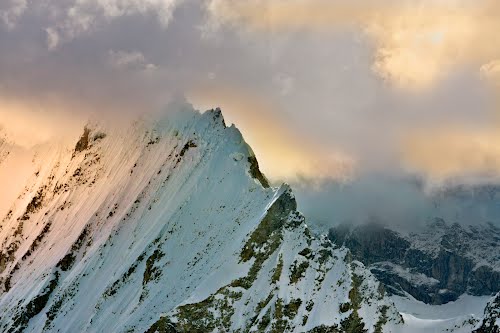
4. Huandoy Mountain: Located in the Huascarán National Park, in the heart of the Cordillera Blanca. It becomes the second highest mountain in the Cordillera Blanca, next to Huantsán.
Source: maucallacta.com
4. Huandoy Mountain: Located in the Huascarán National Park, in the heart of the Cordillera Blanca. It becomes the second highest mountain in the Cordillera Blanca, next to Huantsán.
- Location: Cordillera Blanca in the Yungay province. (Ancash)
- Altitude: 6,395 m
- Meaning: Snowy mountain in the shape of a hearth.
- Access: Through the Llanganuco ravine in Huaraz.
- Summit: Four peaks of varying heights, rocky surface covered in ice.
 Source: panoramio.com
5. Huantsan Mountain: Huantsan is the second highest peak in the Cordillera Blanca of Peru, next to Huandoy. It is an incredible and challenging peak to climb. It stands out with a formidable peak that appears imposing and dangerous for mountaineers or hikers.
Source: panoramio.com
5. Huantsan Mountain: Huantsan is the second highest peak in the Cordillera Blanca of Peru, next to Huandoy. It is an incredible and challenging peak to climb. It stands out with a formidable peak that appears imposing and dangerous for mountaineers or hikers.
- Location: Cordillera Blanca in the Yungay province. (Ancash)
- Altitude: 6,395 m.
- Access: From the east side of Huaraz.
- Summit: Initially appears easy to climb, but gradually becomes more complex as the climb progresses.
- Recommendation: It is advised to be ascended by climbers with professional experience.
 Source: wikipedia.org
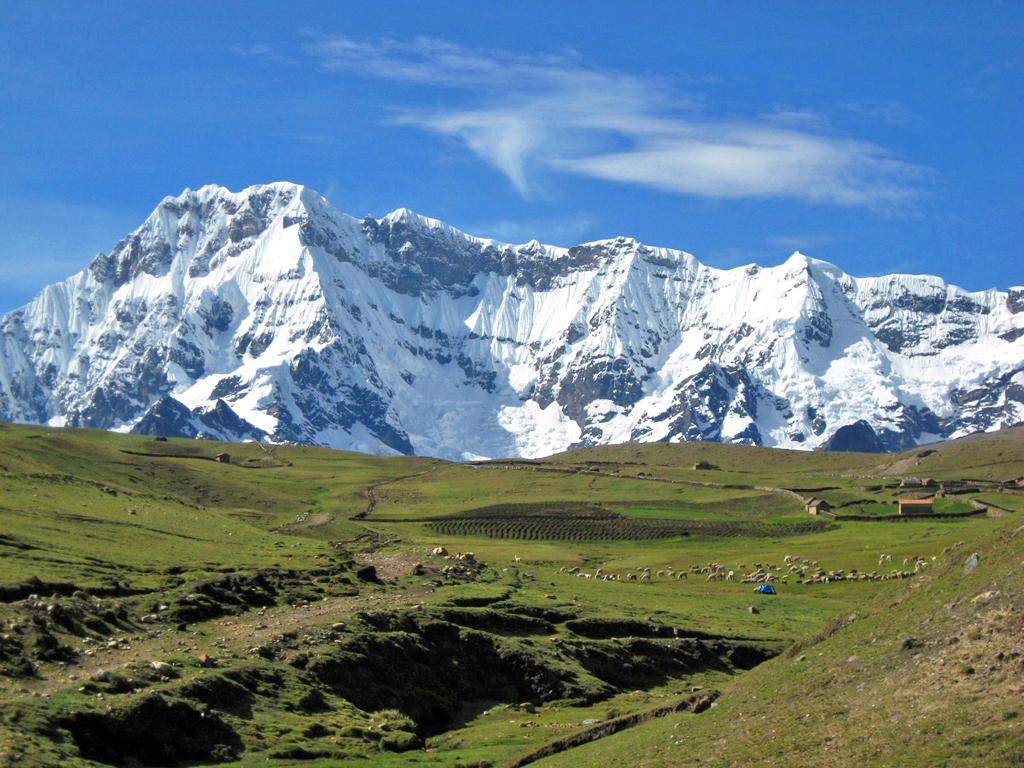
6. Ausangate Mountain: Located in the Andes mountain range, in a section called Vilcanota mountain range (Cusco). The mountain is one of the most revered and is part of Inca mythology. It is one of the most representative snow-capped peaks for the population because it plays an important role in the pilgrimage festival to the sanctuary of the Lord of Q'oyllur Riti.
Source: wikipedia.org
6. Ausangate Mountain: Located in the Andes mountain range, in a section called Vilcanota mountain range (Cusco). The mountain is one of the most revered and is part of Inca mythology. It is one of the most representative snow-capped peaks for the population because it plays an important role in the pilgrimage festival to the sanctuary of the Lord of Q'oyllur Riti.
- Location: 100 kilometers southeast of the city of Cusco.
- Altitude: 6,384 m.
- Access: Through the town of Chilca.
- Route: 5-day hikes to the snow-capped peak.
- Recommendations: The "Apu Ausangate Trail," at the foot of the highest sacred mountain in the Cusco region
- Pilgrimage: Part of UNESCO's Intangible Cultural Heritage.
 Source: wikipedia.org
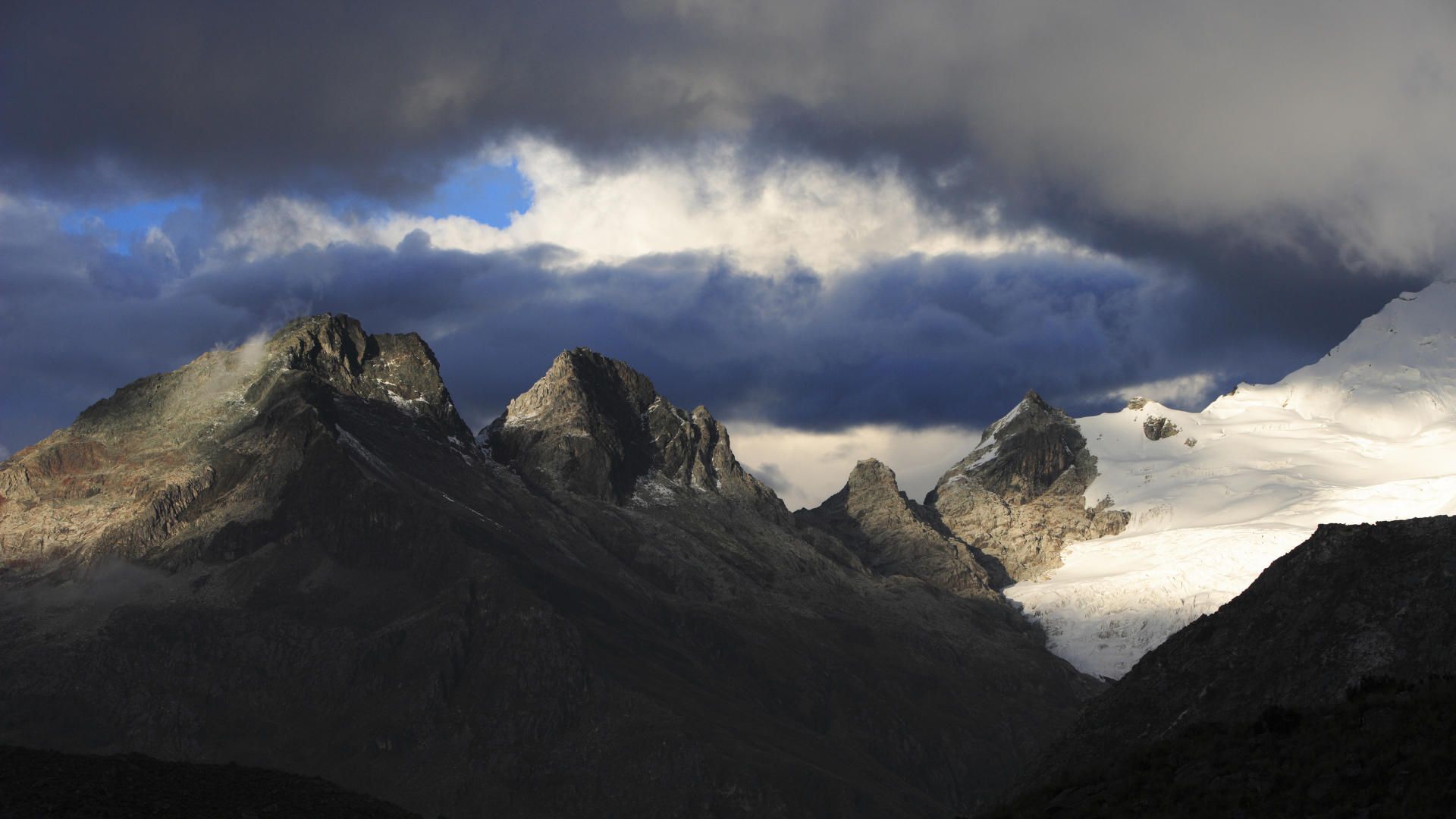
7. Chopicalqui Mountain: One of the highest peaks in the Cordillera Blanca and is located in Ancash. Despite its height, Nevado Chopicalqui is considered one of the least complex peaks to climb compared to others, making it very popular among mountaineers.
Source: wikipedia.org
7. Chopicalqui Mountain: One of the highest peaks in the Cordillera Blanca and is located in Ancash. Despite its height, Nevado Chopicalqui is considered one of the least complex peaks to climb compared to others, making it very popular among mountaineers.
- Location: Yungay province (Ancash)
- Altitude: 6,345 m.
- Access: From Huaraz to the camping area in Yungay. Through the Llanganuco ravine
- Summit: Snow-capped peak.
- Season: From June to August.
 Source: rarewallpapers.com
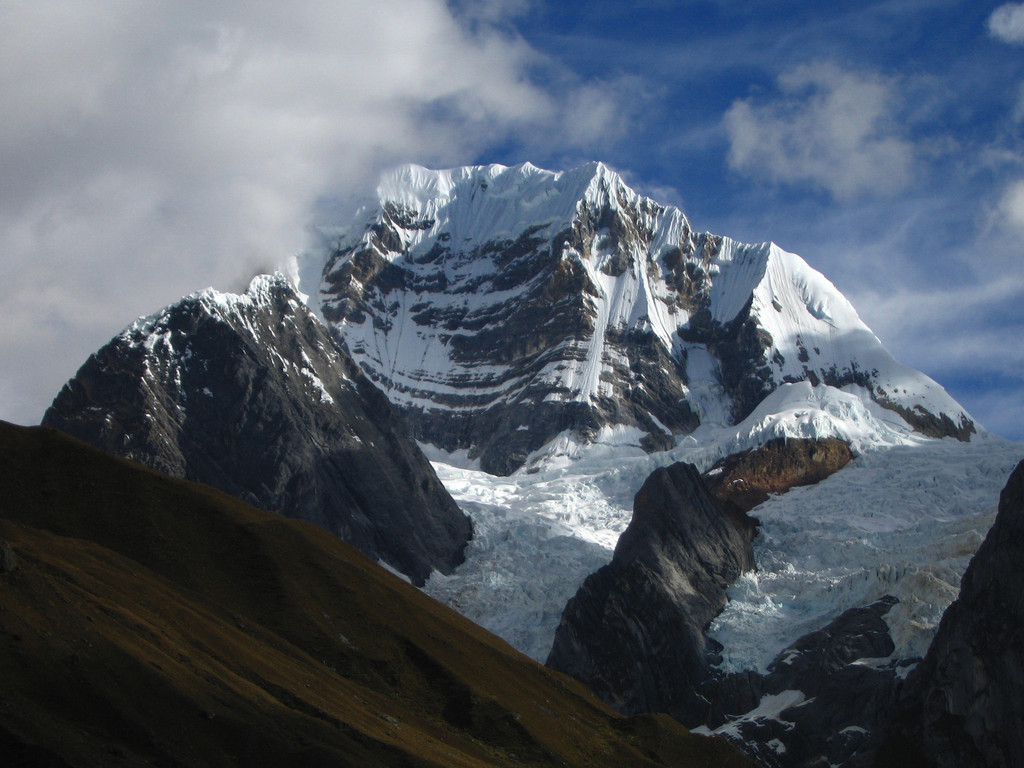
8. Siula Grande Mountain: Located in the Huayhuash mountain range, on the border of the Lima and Huánuco departments. Known not so much for its size but for the film made about it; the story of the book Touching the Void.
Source: rarewallpapers.com
8. Siula Grande Mountain: Located in the Huayhuash mountain range, on the border of the Lima and Huánuco departments. Known not so much for its size but for the film made about it; the story of the book Touching the Void.
- Location: Huayhuash mountain range (Between Lima and Huánuco)
- Altitude: 6,344 m.
- Secondary peak: Siula Chico at 6,260 m.
- Access: West face of the mountain.
- Descent: Through rappelling on the west side.
 Source: skyscrapercity.com
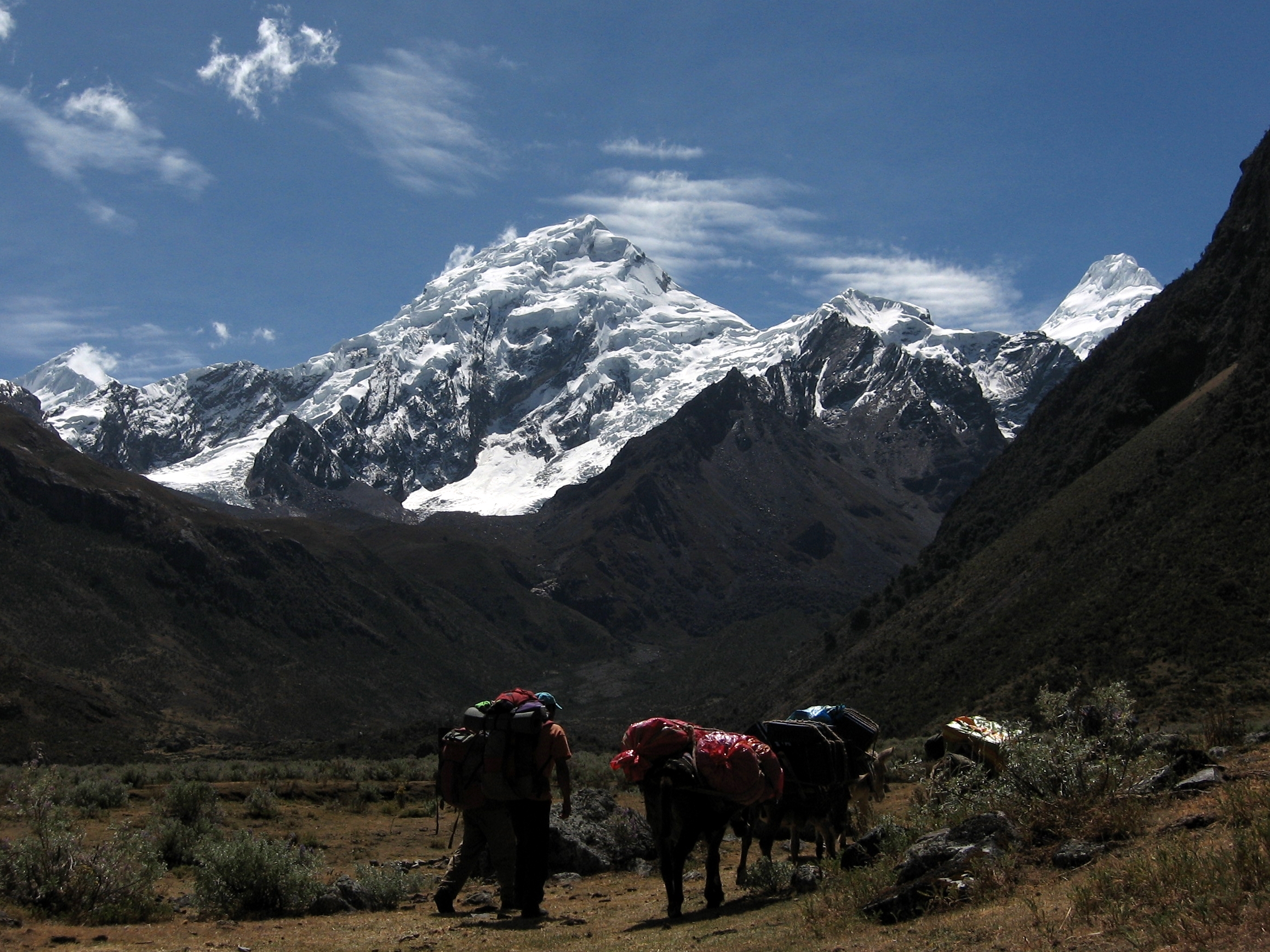
9. Chinchey Mountain: The Chinchey and Palcaraju snow-capped peaks are located in the Cordillera Blanca (rising to the east of the city of Huaraz) and are part of Chinchey. The two summits are a few kilometers apart.
Source: skyscrapercity.com
9. Chinchey Mountain: The Chinchey and Palcaraju snow-capped peaks are located in the Cordillera Blanca (rising to the east of the city of Huaraz) and are part of Chinchey. The two summits are a few kilometers apart.
- Location: Cordillera Blanca (Huaraz).
- Chinchey Altitude: 6,309 m.
- Palcaraju Altitude: 6,274 m.
- Access: Near the city of Huaraz in the camping area.
- Palcaraju Summit: Three peaks connected by rugged ridges.
- Difficulty: The central summit has about six routes recognized as extremely difficult for inexperienced mountaineers.
 Source: google.com/images_chinchey
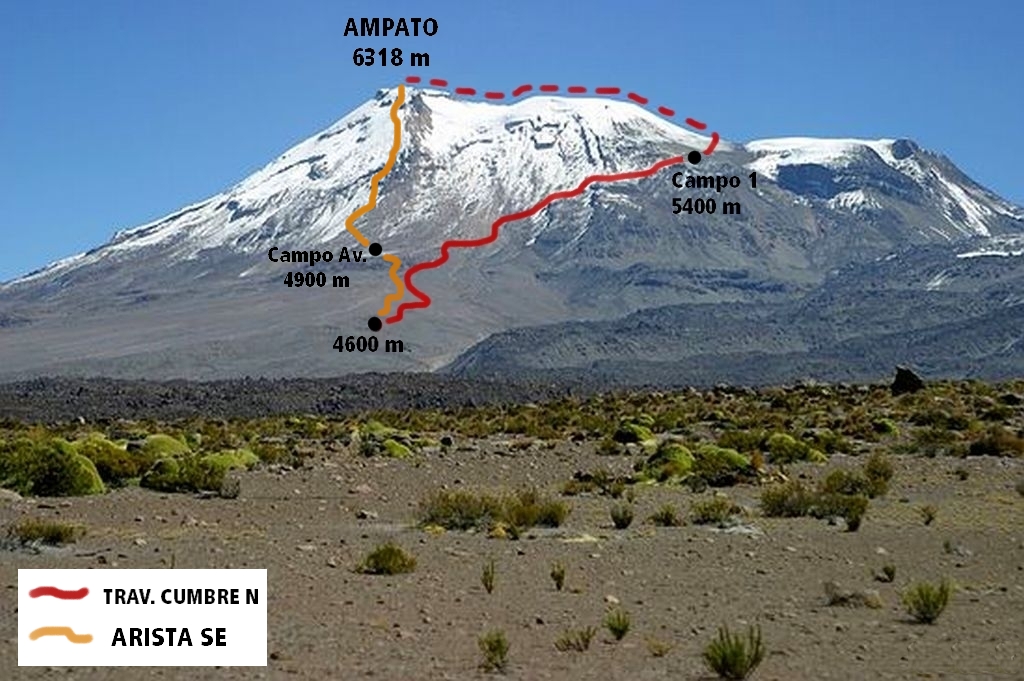
10. Ampato Mountain: Located 60 kilometers northwest of the city of Arequipa. It is one of the highest mountains in the southern extreme of Peru. Ampato is particularly famous for the discovery of frozen and mummified remains of an Inca girl: Juanita the Ice Maiden.
Source: google.com/images_chinchey
10. Ampato Mountain: Located 60 kilometers northwest of the city of Arequipa. It is one of the highest mountains in the southern extreme of Peru. Ampato is particularly famous for the discovery of frozen and mummified remains of an Inca girl: Juanita the Ice Maiden.
- Location: Ampato mountain range (Arequipa)
- Altitude: 6,318 m.
- Meaning: "Toad" due to the silhouette of the volcano.
- Access:
- - East side, normal route, east face, traverse through the north summit ascent approximately 7 hours.
- - East side, climbing slope; southeast ridge. Ascent in 9 hours, descent in 4 hours.
- - West side, Mucurca - Cabanaconde route. Duration of 7 days, round trip.
- Summits: The north, over 6150 m above sea level, and the south and main, at 6288 m above sea level
- Surface: Rock and snow.
- Volcanoes Nearby: Sabancaya and Hualca Hualca
 Source: madteam.net
11. Salcantay Mountain: Salcantay is considered the tutelary Apu of Cusco because to reach the snow-capped peak, you will cross beautiful landscapes, observe alpacas and condors in their natural habitat. It is not the highest in the area, but it is the most splendid. From there, you can take the Inca route to Machu Picchu.
Source: madteam.net
11. Salcantay Mountain: Salcantay is considered the tutelary Apu of Cusco because to reach the snow-capped peak, you will cross beautiful landscapes, observe alpacas and condors in their natural habitat. It is not the highest in the area, but it is the most splendid. From there, you can take the Inca route to Machu Picchu.
- Location: Vilcabamba mountain range (Cusco)
- Altitude: 6,271 m.
- Access: There are two possibilities.
- - The first circuit starts from Km. 88 of the railway line to Machu Picchu and is the beginning of the Inca route
- - The second starts from Mollepata. Salkantay attracts experienced climbers and occasional hikers.
- Recommendations: Requires a lot of physical endurance.
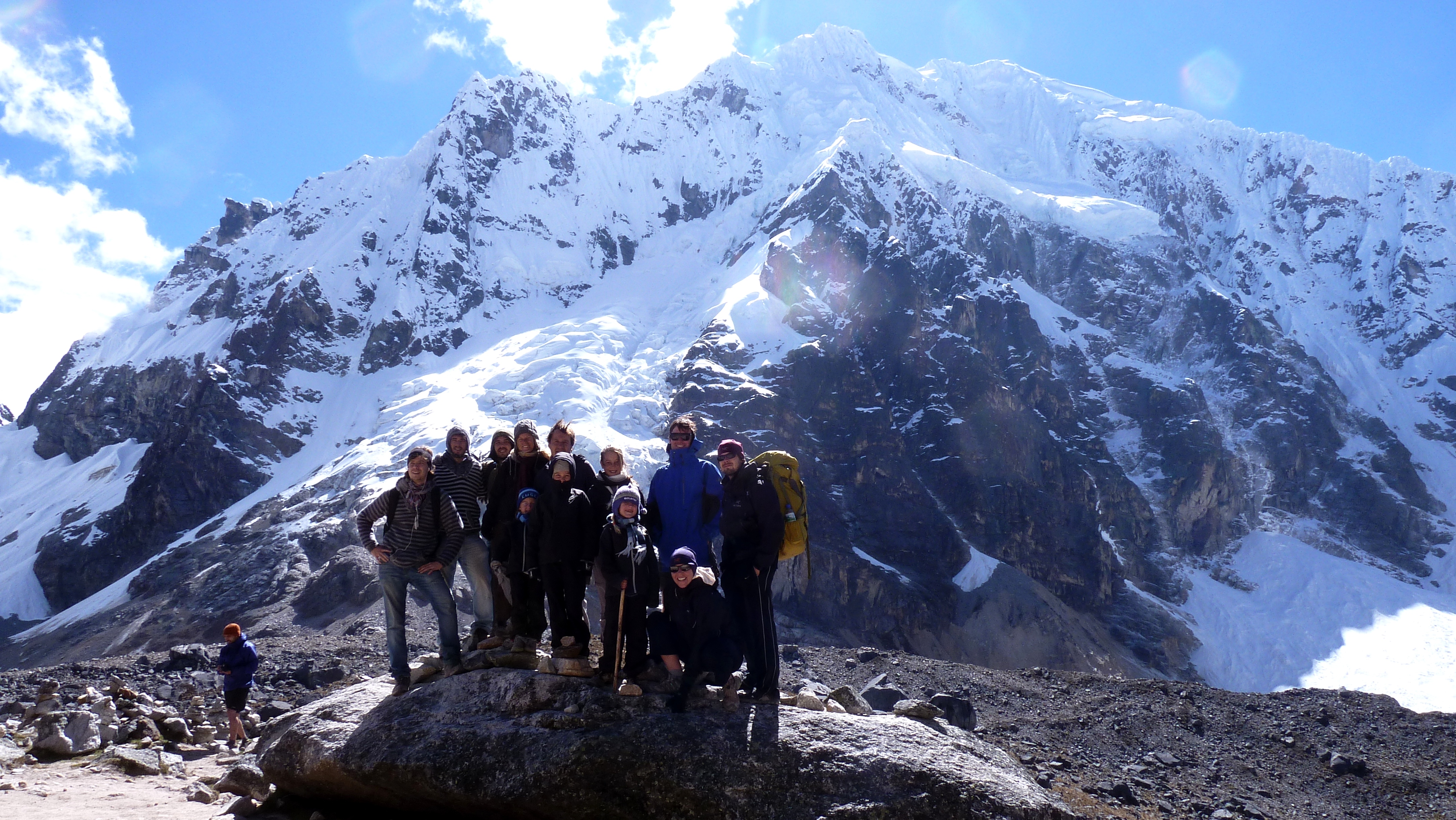 Source: toursperumachupicchu.com
See also:
Share your mountain adventures at De Aventura

A
Blog Author
DeAventura Team