
Canopy is an exciting outdoor activity that allows people to glide through the treetops, enjoying stunning views and a good dose of adrenaline and adventure. Whether you are a beginner or an experienced enthusiast, it is important to consider certain aspects to ensure a safe and enjoyable experience. Below, we present a guide divided into basic and advanced levels so you can make the most of canopy.
Basic Level: Tips for Beginners

1. Choose a Reliable Operator
- Reputation: Research the operator's reputation by looking for online reviews on sites like TripAdvisor and Google Reviews, and seeking recommendations from other travelers.
- Certifications: Ensure that the operator has recognized safety certifications, such as those from the Association for Challenge Course Technology (ACCT) or the International Adventure Park Association (IAPA).
- Equipment Inspection: Verify that the equipment used is modern and well-maintained. Inquire about the frequency of safety inspections.
2. Use the Right Gear
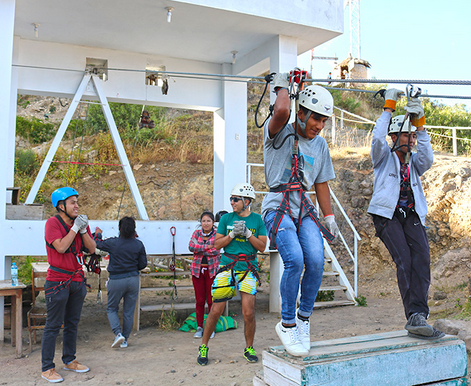
- Harness: It should fit your body correctly, neither too tight nor too loose. A well-fitted harness will provide stability and safety.
- Helmet: It should adequately protect your head and be snug to prevent movement during the ride.
- Gloves: Ensure they are durable and provide a good grip. Inquire if the gloves have padding in friction areas.
- Pulleys: Pulleys should be checked by staff before each use to ensure they function properly and show no signs of wear.
3. Follow the Guide's Instructions
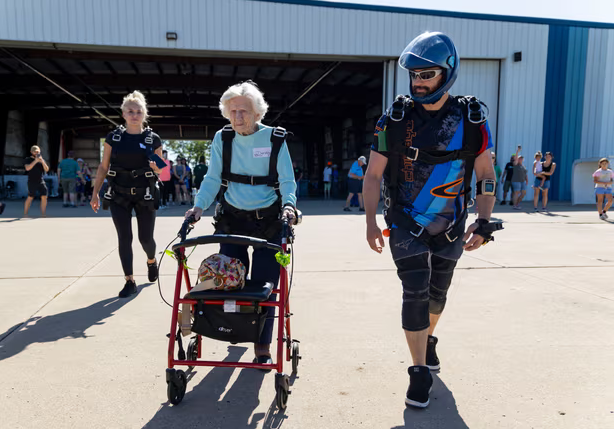
Participate in the safety briefing before starting. Listen carefully to instructions on how to brake, maintain the correct posture, and what to do in case of an emergency. Learn and follow the manual or verbal signals that guides use to communicate during the ride. If possible, practice on a short zipline or a test section before the main ride.
4. Appropriate Attire
- Clothing: Wear comfortable, fitted clothing that allows easy movement. Avoid loose or dangling garments that could get caught.
- Footwear: Opt for closed-toe shoes with good traction, such as trekking or athletic shoes. Ensure they are properly fitted to prevent twists.
- Weather: Bring a light or waterproof jacket if the weather is variable. Also, consider thermal clothing if temperatures are low.
5. Physical Conditions
- Weight and Height: Inquire with the operator about weight and height limits. Many operators have restrictions to ensure the safety of all participants.
- General Health: Inform guides about any medical conditions, such as heart problems, vertigo, or recent injuries. Ensure it is safe for you to engage in the activity.
Advanced Level: Tips for Experts
1. Evaluate New Locations
- Terrain Diversity: Look for locations with different terrains and difficulty levels to challenge yourself. Consider places with multiple lines and platforms.
- Height and Length: Research the heights and lengths of the ziplines. Opt for longer and higher routes for a more thrilling experience.
- Natural Environment: Choose places with spectacular landscapes, such as tropical forests, mountains, or canyons, to enjoy breathtaking views while gliding.
2. Enhance Control Techniques
- Controlled Braking: Practice braking techniques using gloves with reinforced palms and learn to apply the right pressure to stop smoothly.
- Posture: Maintain an aerodynamic posture with slightly bent legs and aligned body. This will help you maintain balance and speed.
- Direction Change: Learn to turn your body using hips and shoulders to adjust your direction while gliding.
3. Training and Physical Fitness
- Strength Exercises: Incorporate strength exercises like push-ups, pull-ups, and weightlifting to strengthen core and upper body muscles.
- Cardio: Improve your cardiovascular endurance with activities like running, swimming, or cycling. This will help you maintain energy during long rides.
- Flexibility: Practice regular stretching and yoga to enhance flexibility and reduce the risk of injuries.
4. Personalized Equipment
- Customized Harness: Consider investing in an adjustable, padded harness that offers greater comfort and support.
- Professional Gloves: Use gloves specifically designed for canopy with additional padding and durable materials.
- Advanced Pulleys: Research high-end pulleys that offer smoother and more durable performance. Consider those with automatic brakes.
5. Participate in Courses and Certifications
- Advanced Courses: Enroll in advanced canopy courses covering rescue techniques, safety, and emergency management. These courses will help you develop critical skills and in-depth knowledge.
- International Certifications: Obtain certifications recognized by organizations like ACCT (Association for Challenge Course Technology) or IAPA (International Adventure Park Association). These certifications allow you to demonstrate your competence and credentials in the canopy field.
General Recommendations
- Safety First: Regardless of your level, safety should always be the priority. Conduct a safety check before each activity and avoid unnecessary risks.
- Respect for Nature: Enjoy the natural beauty around you and make sure not to leave waste or harm the environment.
- Stay Calm: Canopy can be an intense experience. Stay calm and enjoy the ride, knowing you are well-prepared and equipped.
- Enjoy and Share: Canopy is an activity to be enjoyed. Share the experience with friends and family, creating unforgettable memories.
Canopy is an exciting and accessible activity for everyone, from beginners to experts. By following these tips and preparing properly, you can ensure a safe and fun experience. Whether you are gliding on your first zipline or exploring new heights and challenges, canopy offers a unique way to connect with nature and experience adrenaline to the fullest.
Blog Author
DeAventura Team