![[Interview] Matías Rubio: Climbing, more than just a sport](https://en.deaventura.pe/app/public_root/imgs/blog/uploads/Portada-Matías-Rubio.jpg)
Hello Adventurers, we continue with the interviews of Adventure Athletes and today we talk with Matías Rubio, Peruvian climber and co-founder of the climbing academy Pirqa, located in the center of Miraflores. Matías Rubio studied engineering and food industries but his passion for climbing led him to create Pirqa, let's get to know his story below...
Hello Matías Rubio welcome to the Adventure Community, thank you for your time...tell us
How did you start in this sport?When I was a child, my dad and I used to go hiking and spend a lot of time outside the city. When I turned 20, besides going to the beach and surfing, I didn't go to the mountains because my group of friends didn't do it; and one day, looking for alternatives on the internet, I ended up seeing photos of Renzo Uccelli, a Peruvian mountaineering photographer, who was one of the first Peruvians to travel to the Himalayas. I wrote to his page, they replied, and I went on a hike with them, then I joined their climbing course and we became friends, and that's how I started.
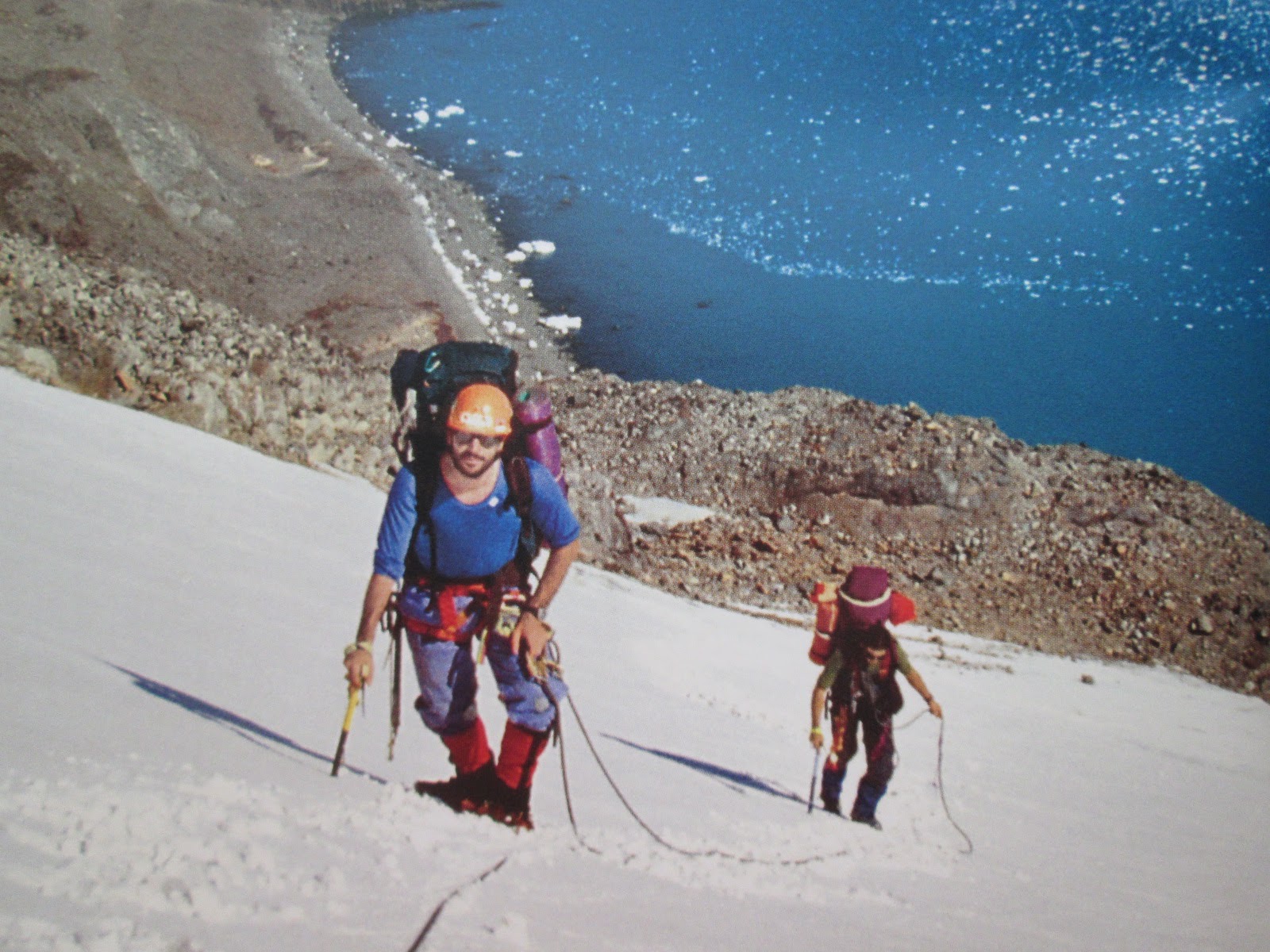 Photo: Renzo Uccelli by Matías Rubio
What have been your best sports experiences?
Honestly, there are many things I like about climbing, from organizing championships and events, whether they are university, professional, international, here (Peru), in Chile; I have also climbed in Bolivia, Chile, Spain, and this year I also hope to climb abroad. The two things that motivate me the most about climbing are, first, the people who practice the sport, who are very cool people and with whom you make many friendships. And second, climbing is a very good excuse to get out of the city.
What types of climbing exist?
Climbing can be divided in different ways. The most classic is Boulder climbing, which consists of climbing rock walls between 3 and 5 meters high where protection is provided by special mats on the ground, here the goal is high difficulty in a short distance. Then there is climbing on higher walls that requires the use of ropes, anchors, and a series of safety techniques to avoid any inconvenience. Within this climbing on higher walls, there is also a categorization. Sport climbing where the anchors have been previously installed, we have traditional climbing where one climbs up the natural cracks in the rock and installs anchor points and then retrieves them without leaving anything on the wall.
Photo: Pirqa by Matías Rubio
How do you see the development of this sport in Peru?
Well, Peru is a privileged place in terms of natural infrastructure because there are a lot of amazing places and mountains for rock climbing, however, we are not as many climbers as we should be. Climbing has been growing steadily for about 4 to 5 years, thanks to more climbing walls, better communication, easier access to climbing destinations, these places have been developing and all this helps make climbing easier to practice. (Some places to climb)
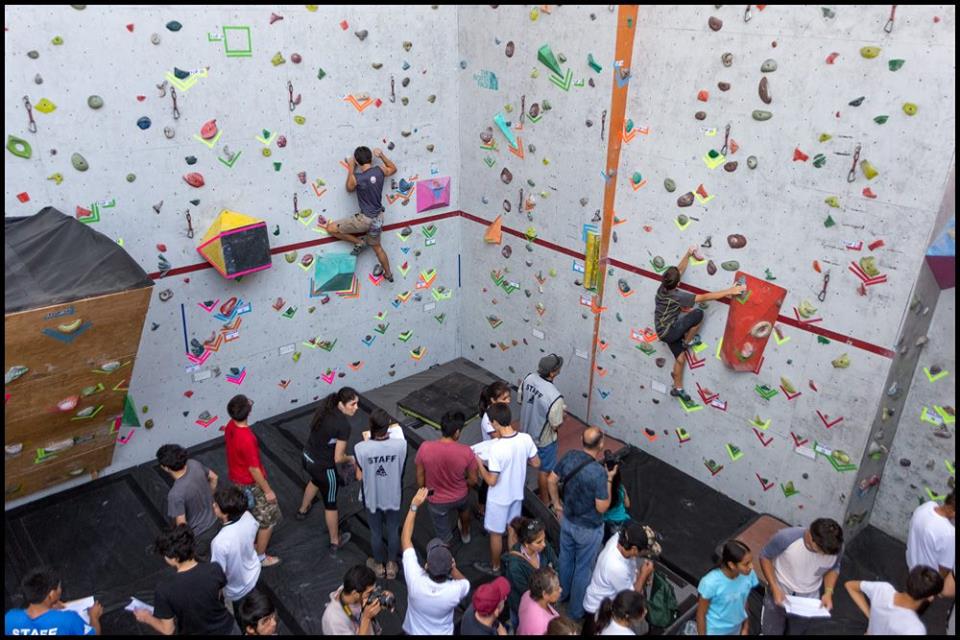 Photo: Pirqa by Matías Rubio
Is there a national climbing team?
The federative issue has had difficulties in recent years, only from this year the IPD recognizes a federation that had been working but is now officially recognized. We have a team that participated in the Bolivarian Games in 2013, but due to lack of state support and budget, they are basically a list of climbers with the best scores in competitions but there is no specific training or budget, what there is, is a management that seeks to help develop this sport. Many things have been achieved thanks to the collaboration of people, for example, there are 2 national school championships, 4 university championships, 6 senior national championships.
What do you need to start in this sport?
The desire, because at least in the available academies in Lima they provide you with everything you need to start: teachers, classes, ropes, harnesses, and normally people are very supportive and interested in helping others progress, so if you lack any gear, someone can lend you what they have extra. I also find very few barriers for people to start.
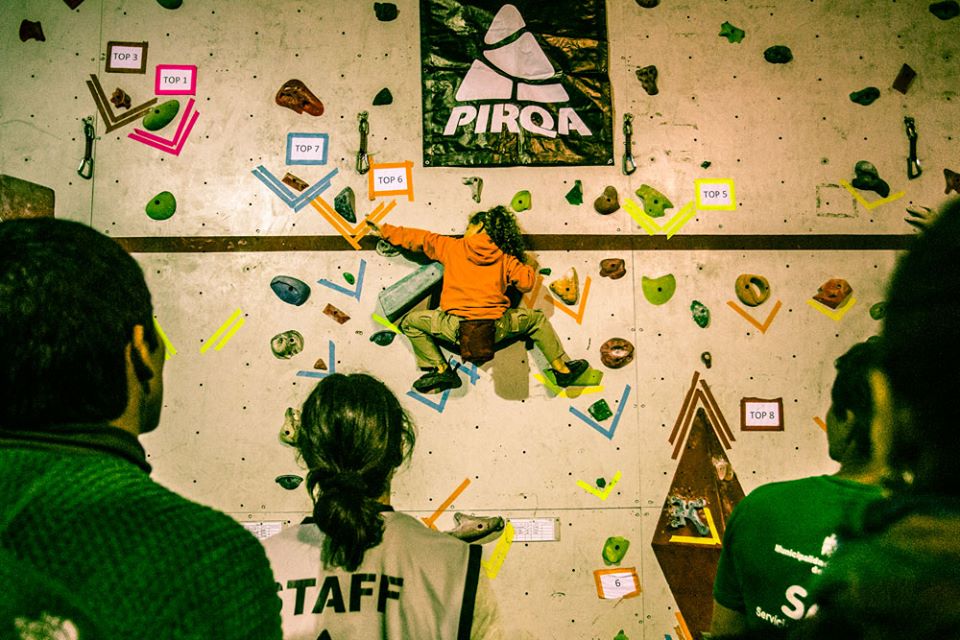 Photo: Pirqa by Matías Rubio
From what age can you start climbing?
Many children climb before they walk, it's something very natural and part of their growth. For classes, I think it depends on each child but in my opinion, you should be between 4 and 5 years old, because they have to be able to pay attention to a teacher for an hour, although to the best of their abilities, many should climb from birth.
In Peru, what routes would you recommend for beginners?
Well, in climbing we call routes the paths you can take in a single location, more than a route I could mention some places, for example: Hatun Machay which is near Huaraz and has over 400 routes, many of them at basic levels for beginners, there are others that are very beautiful like Tahuallay, but this one has a lot concentrated in one place.
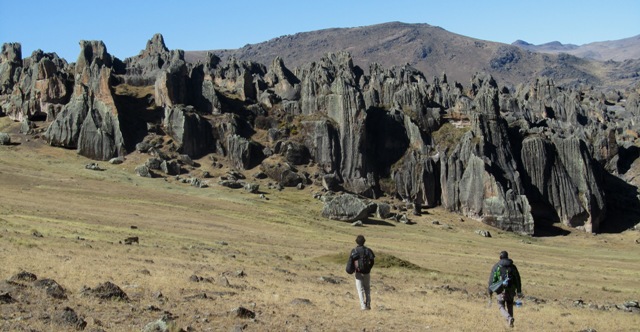 Photo: Desafioapus
How did the idea of Pirqa come about and what does it offer to the public?
Pirqa (Wall in Quechua) was founded by 3 climbers: Rodrigo, Maribel Elías, and myself, the three of us climbed but were not friends, and out of nowhere, we all had to live outside of Peru at the same time, Rodrigo went to Ecuador and Chile, Maribel lived in the United States, and I moved to Spain; and then when we returned to Peru, we were discussing our own experiences of how climbing had been seen abroad and how it had been progressing. In Peru, there had been improvements but at a slower pace, talking about it, we thought that something missing was better, larger, and different infrastructure to support the sport. Additionally, we saw that another thing lacking was marketing push and classes, we combined both and started pushing a project that ended up in what has been going on for 3 years in Lima. We have the climbing wall for training and a cafeteria in a special environment for people to socialize, as well as a sports equipment store.
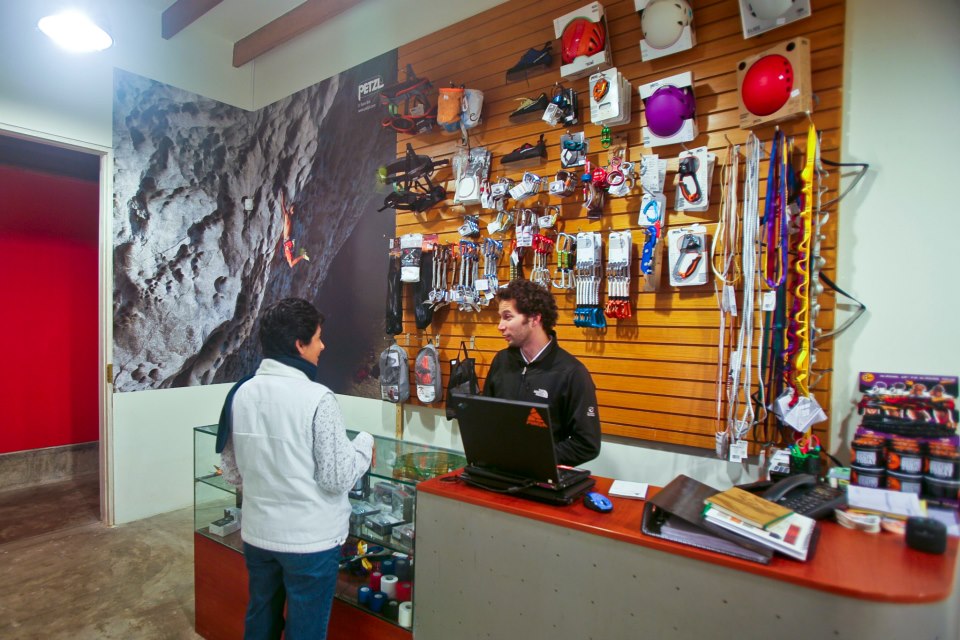 Photo: Pirqa by Matías Rubio
What would you recommend to those who want to practice this sport?
For me, climbing is one of the most complete sports there is, for both children and adults, you work on concentration, self-esteem, overcoming fears, and physically it's very comprehensive, a lot of coordination, flexibility, muscle development, it contributes a lot to people and especially to children, and besides, the cool thing is that there are many levels of difficulty and you always find a challenge for yourself, you compete against your own history and what you have done and what you want to do, climbing will always offer you a challenge for yourself no matter who you are, so there is something for everyone and what could be better than that.
Video of the complete interview with Matías Rubio.
Blog Author
DeAventura Team