

How many people would be willing to travel in a car at full speed without wearing a seatbelt? Surely very few. So, why ride your bike without a helmet? Helmets should always be worn, in any situation, whether it's on the weekend, on your mountain bike, or on your way to the office. Remember that cyclists are exposed to many risks on our journeys, both inside and outside the city, so it's best to have and use a good helmet.
 Photo: Activeazur
Here are some tips for choosing the best model adapted to your needs.
What type?
Bicycle helmets come in 3 basic styles: multi-use, road, and mountain. All styles are designed to protect the heads of their users, being lightweight and comfortable. The differences are:
- Multi-use Helmets ($35 - $60): An economical option for recreational and urban use, and as an introductory helmet for road or mountain cycling.
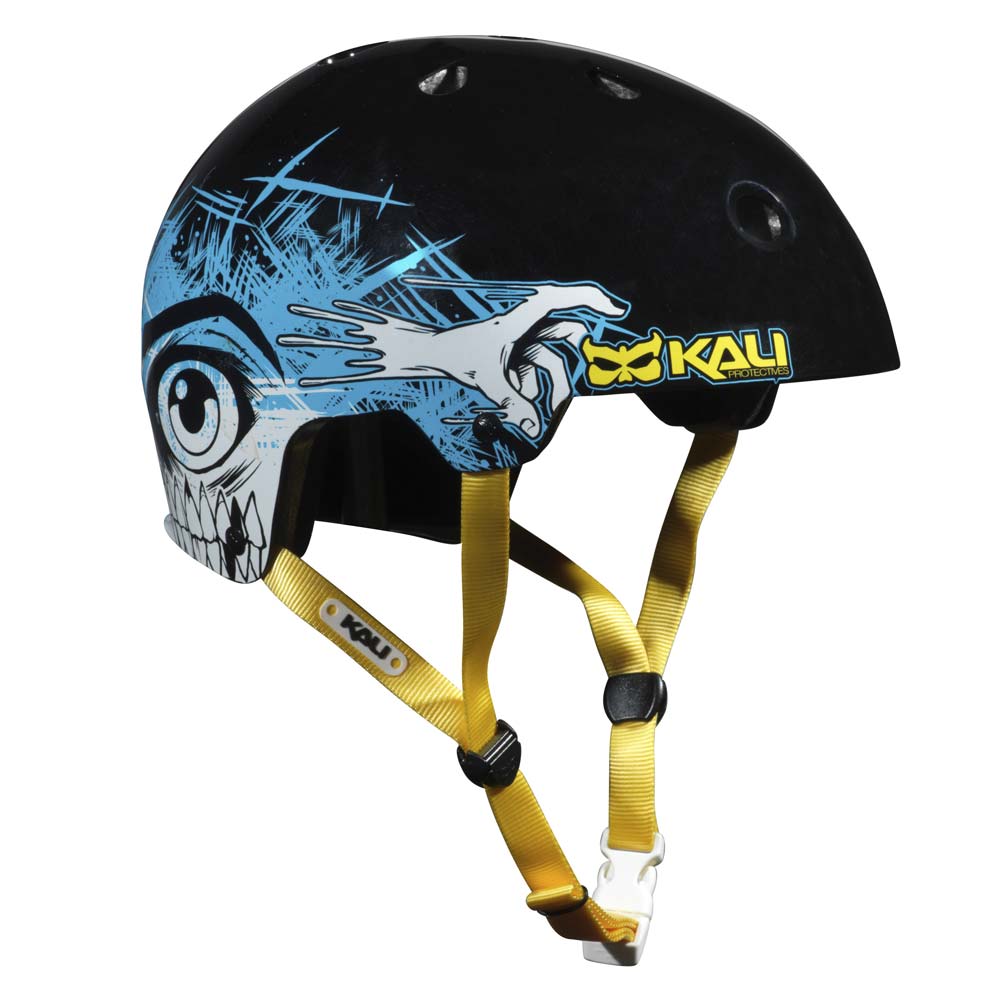 Photo: Mercado libre
- Road Helmets ($60 - $250): Preferred by more serious cyclists for their lightweight, generous ventilation, and aerodynamic design. They also excel at ventilating well at low speeds; they are distinguished by their visors, enhanced rear coverage for the head.
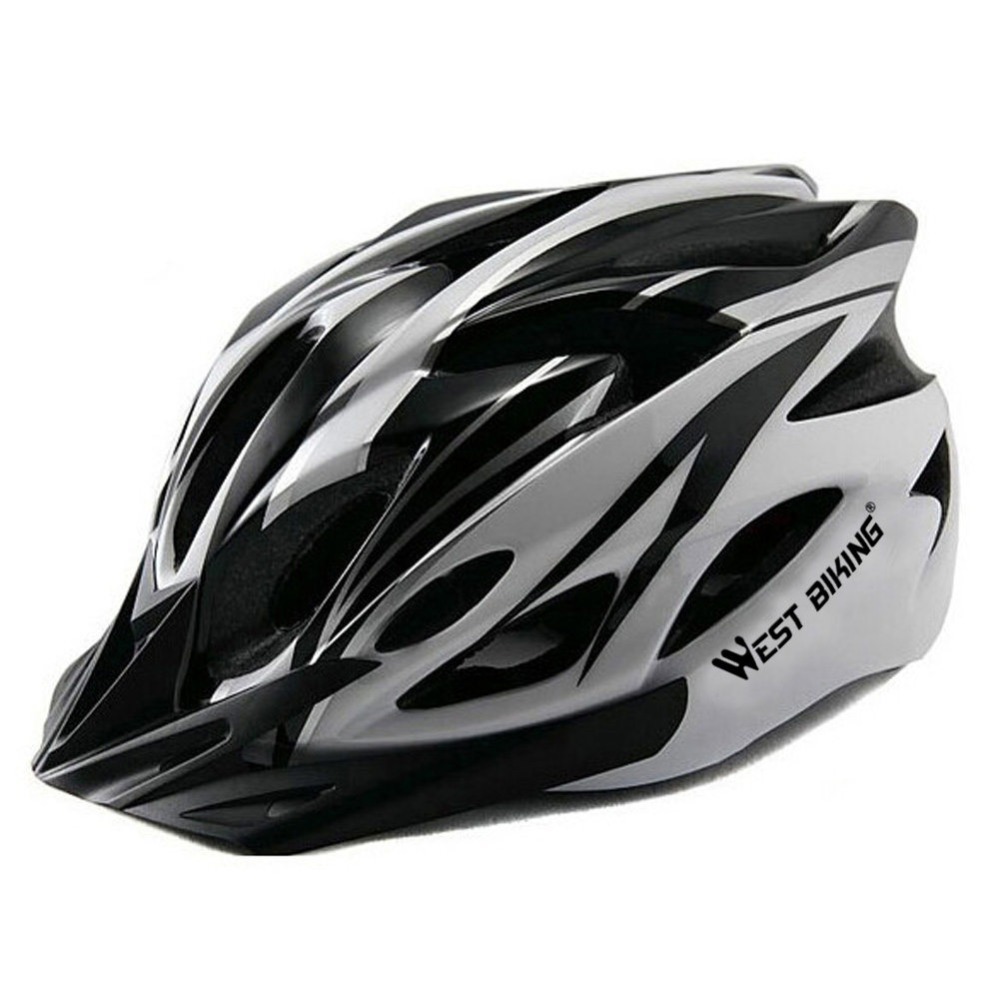 Photo: Mercado libre
- Mountain Helmets ($60 - $250): Designed to protect you from any strong impact, due to the high speed of some circuits or routes, these helmets allow you to cover your entire skull, as well as a large part of the face and neck.
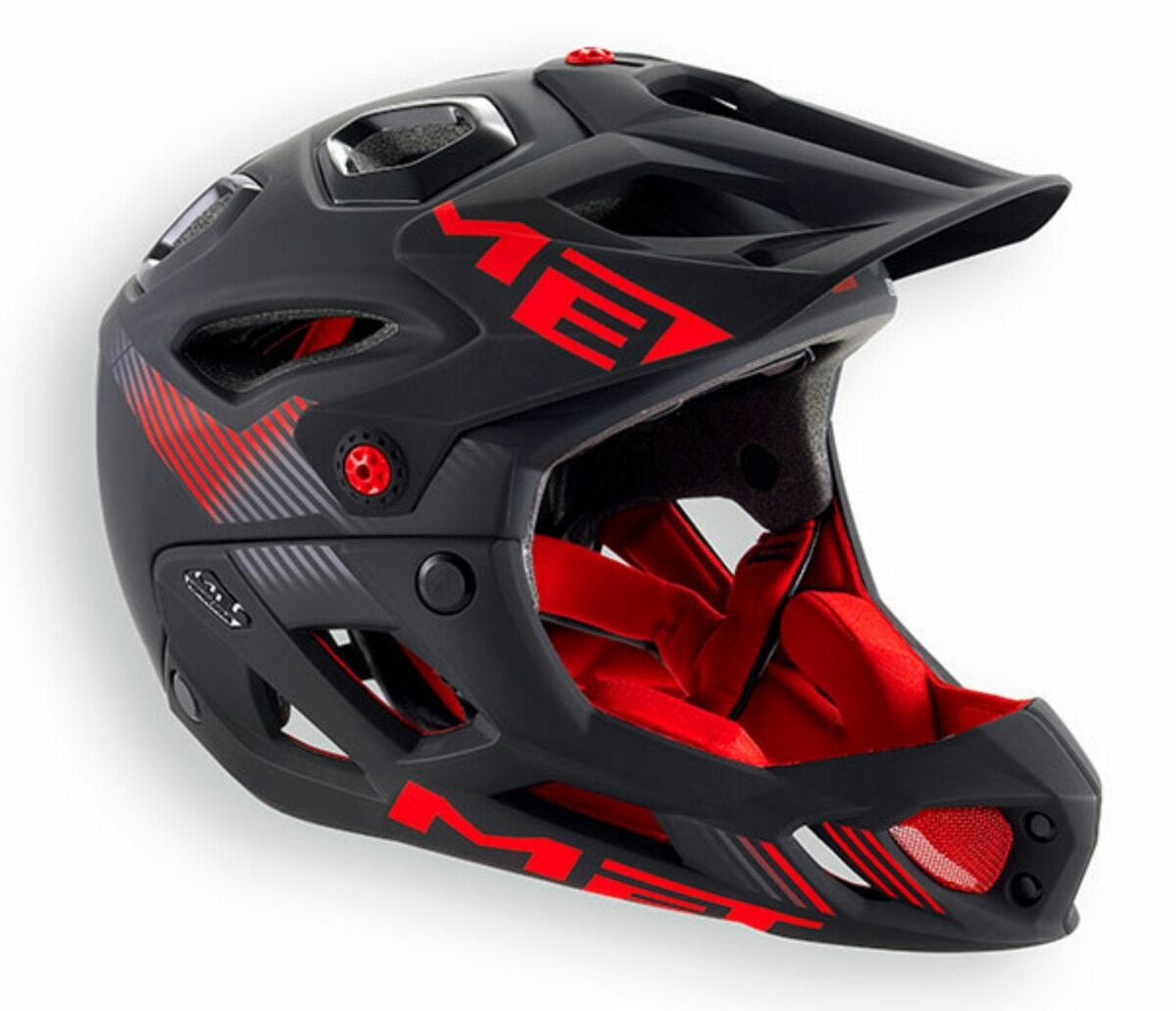 Photo: Mercado libre
Finding the precise size is vital. Multi-use helmets generally offer a single size and fit. While other ranges commonly come in various sizes: small, medium, large, or extra large.
To find your size, wrap a tape measure around the largest part of your head, about 2.5 cm above the eyebrows. Or, wrap any tape around your head, and then measure the length of the tape with a ruler.Some general size parameters for adults:
- Small: 51 cm-55 cm
- Medium: 55 cm-59 cm
- Large: 59 cm-63 cm
- Extra Small or Extra Large: Below 51 cm or above 63 cm
- Standard Size (Men): 54 cm-61 cm
- Standard Size (Women): 50 cm-57 cm
Most children's helmets are one size fits all, with a range of 46 cm-57 cm. Some adults with smaller heads can wear these comfortably.
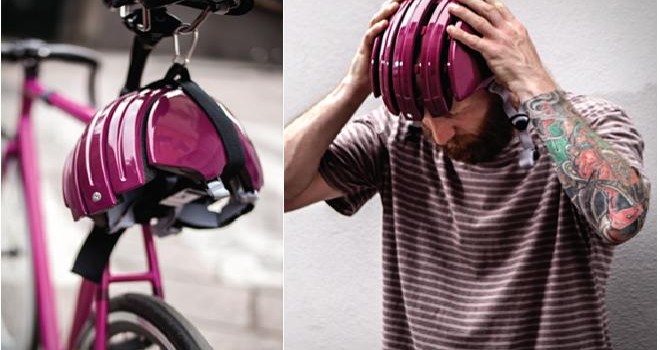 Photo: Veoverde
Is your head between two different sizes? In general, it's best to opt for the smaller size. Because a loose or poorly fitted helmet does not provide true protection.
Impact Certification
By law, all helmets sold in the U.S. must meet the standards set by the Consumer Product Safety Commission (CPSC). Some helmets are also endorsed by the nonprofit Snell Foundation, but the CPSC approval seal is what matters. The results have helped manufacturers create helmets that are lightweight, comfortable, and capable of withstanding significant impacts. Photo: Correo
Every cyclist knows the risks they face daily; be cautious and use a good helmet.

Blog Author
DeAventura Team