
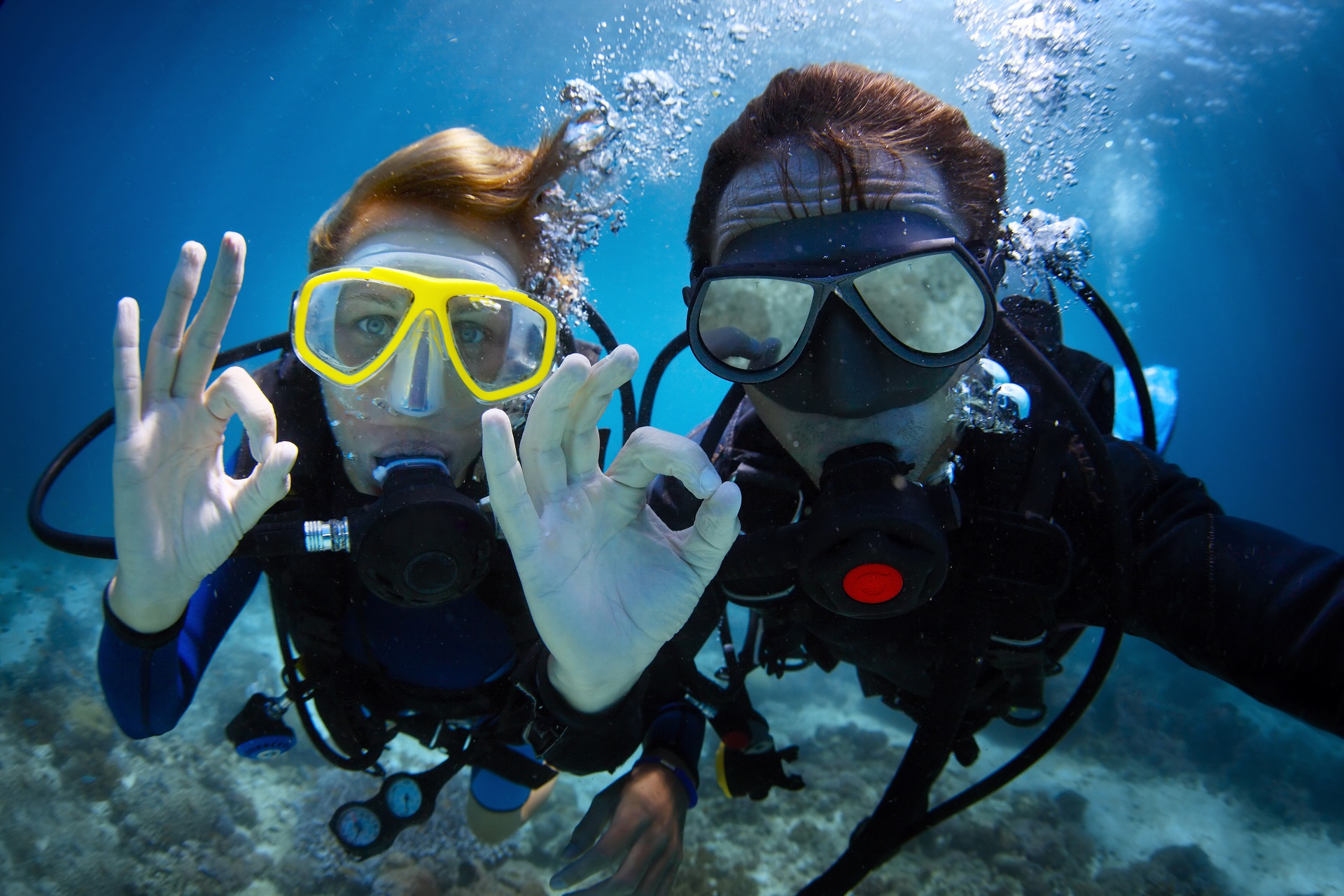
In this adventure post, we take you to the depths of the underwater world to discover an adventure sport that many people have been practicing for many years in our country: Diving.
Diving or scuba diving involves swimming underwater with or without the help of oxygenation equipment. There are two ways to dive: Apnea, also known as free diving or breath-hold diving; and diving with equipment, called Scuba or tank diving.
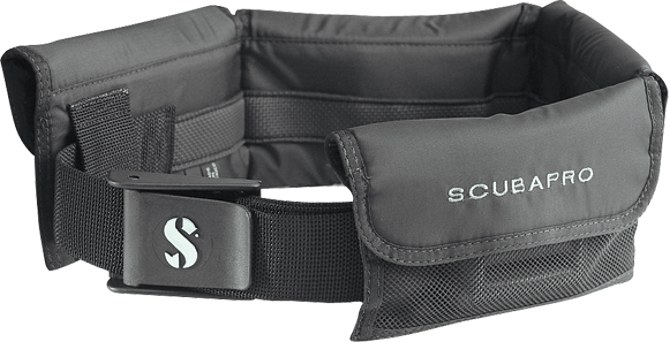

Diving Techniques: During the Apnea mode, dives are carried out while holding the breath naturally and without any special equipment; although some athletes use masks, fins, snorkels, and special suits to maintain stable body temperature. First, take a deep breath on the surface and immediately dive trying to reach the deepest point possible.Photo: media4.letsbonus
 Photo: parquetaguatagua
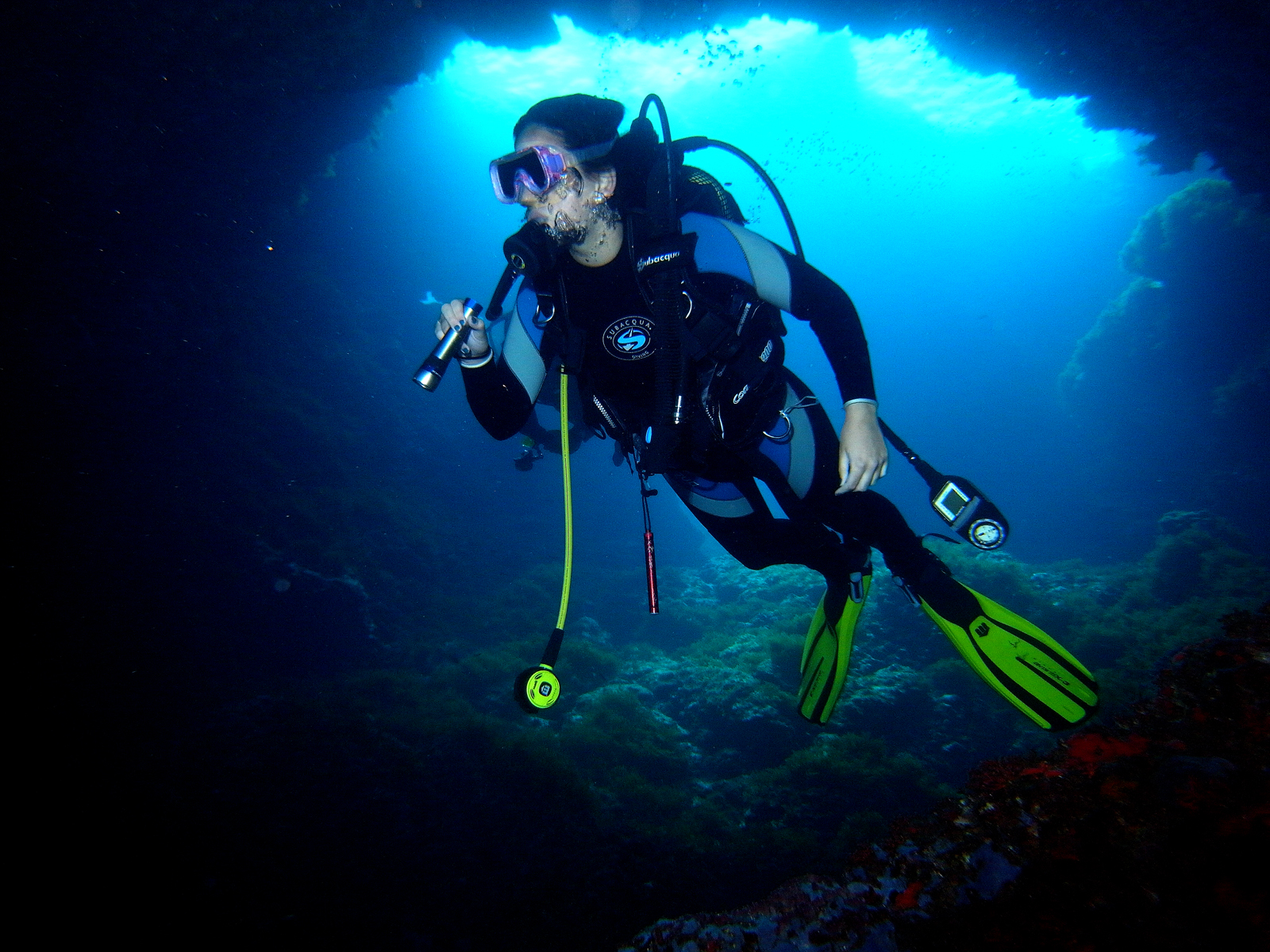 Photo: elparaisazul
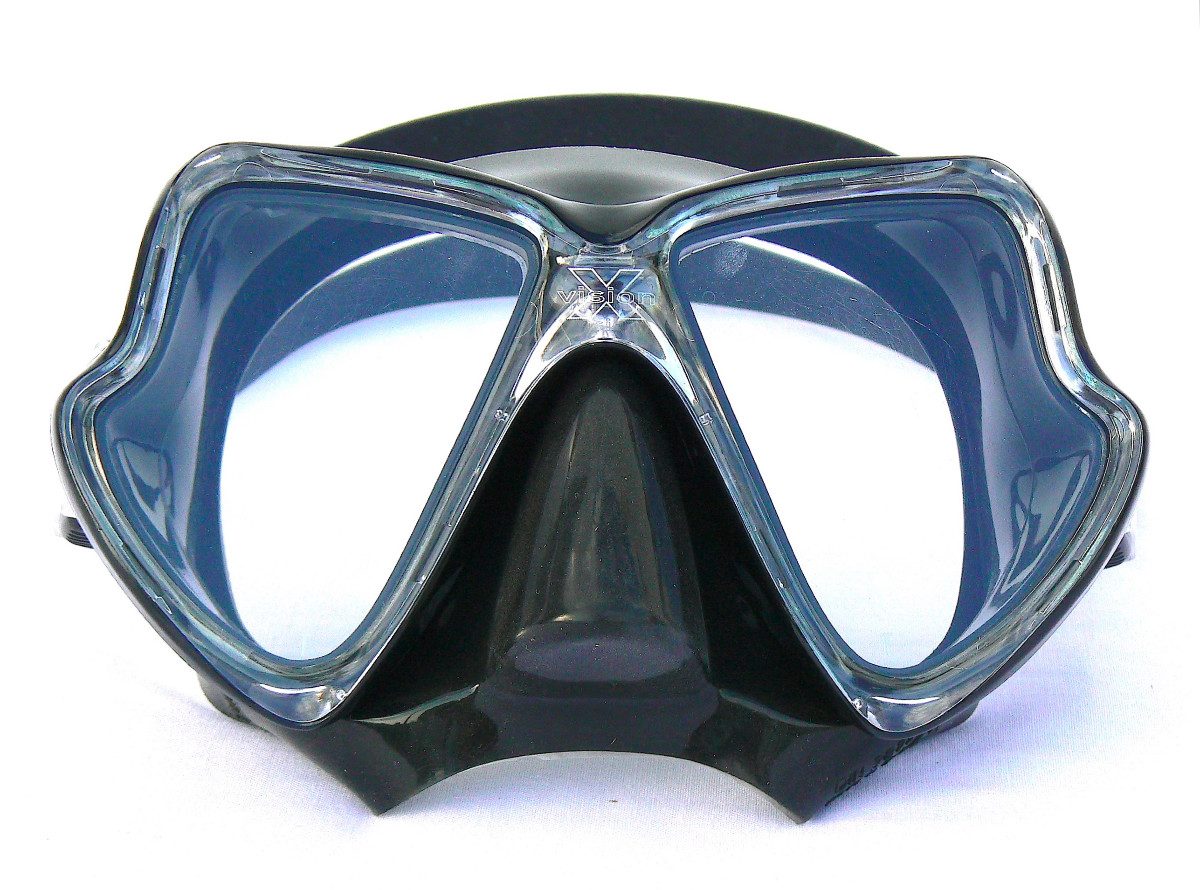 Photo: Scubapro
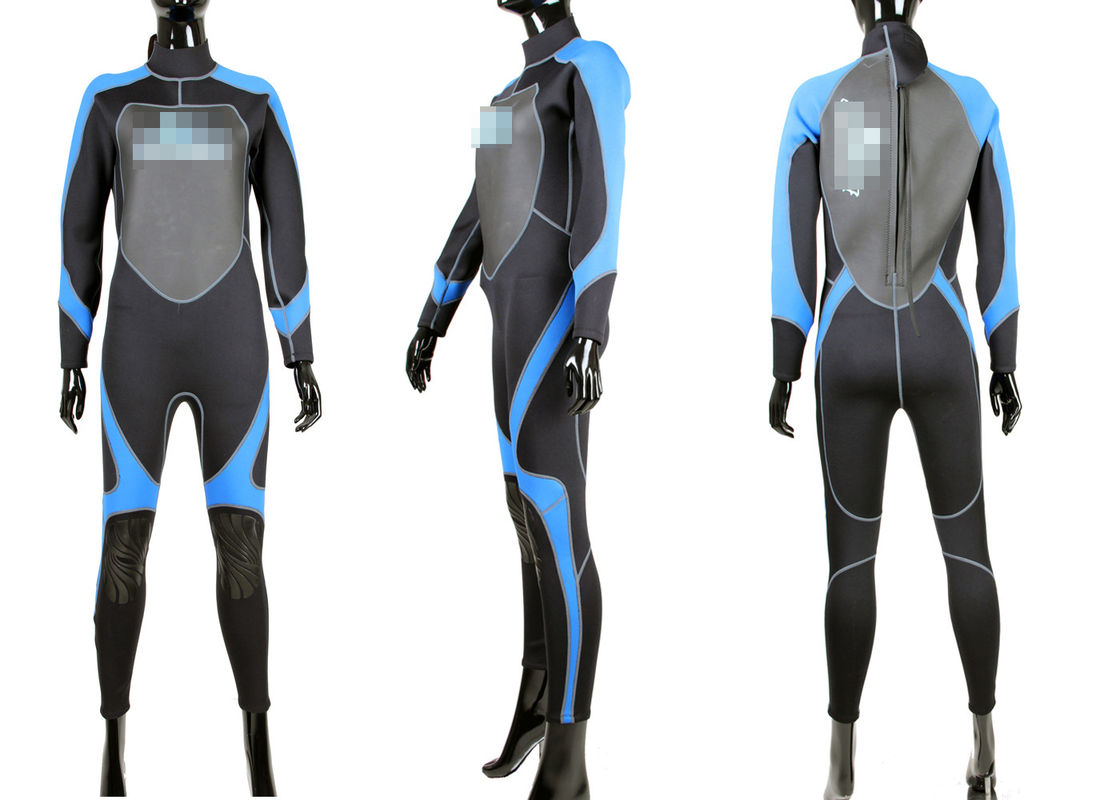 Photo: Scubaprice
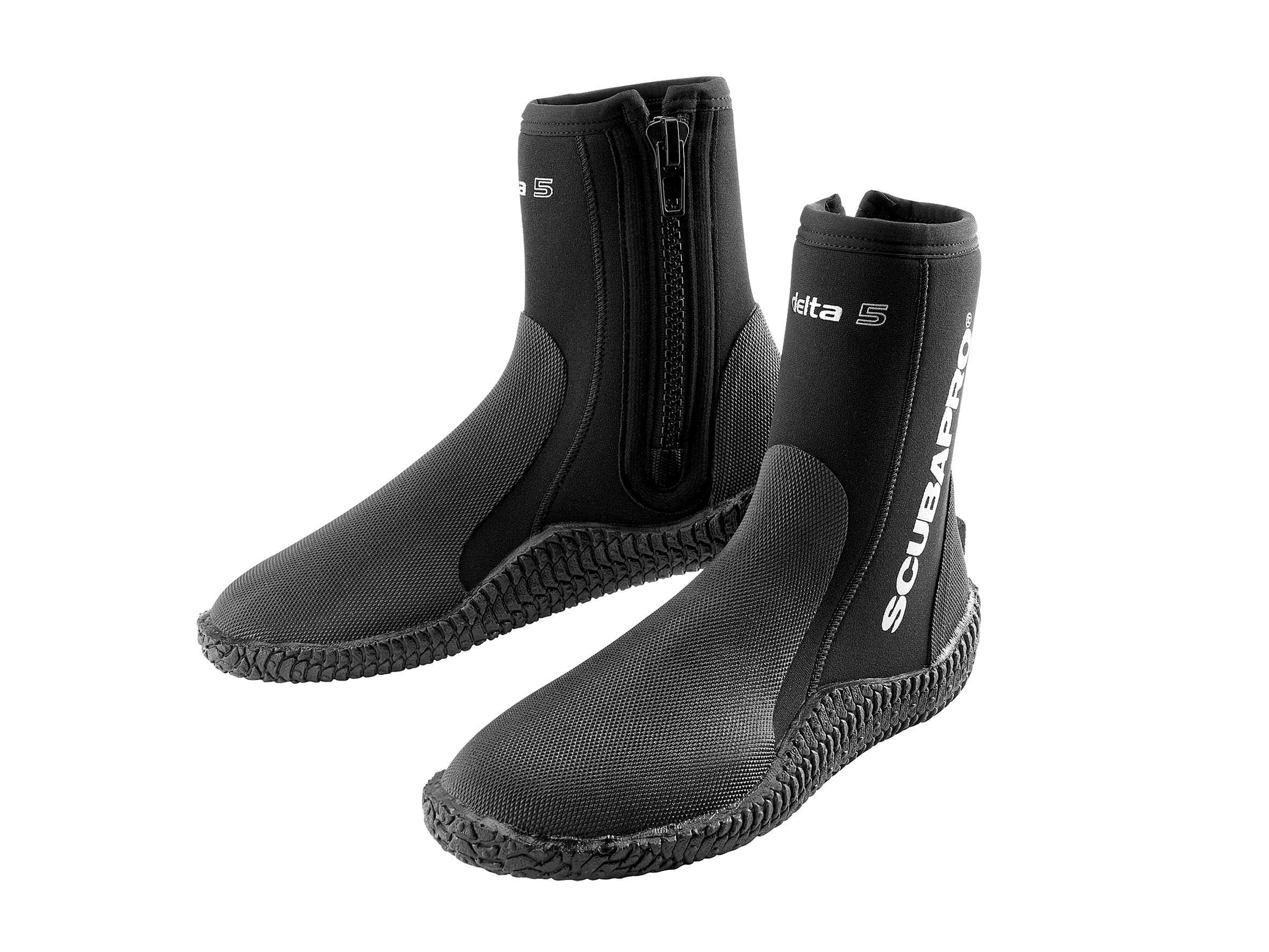 Photo: Scubapro
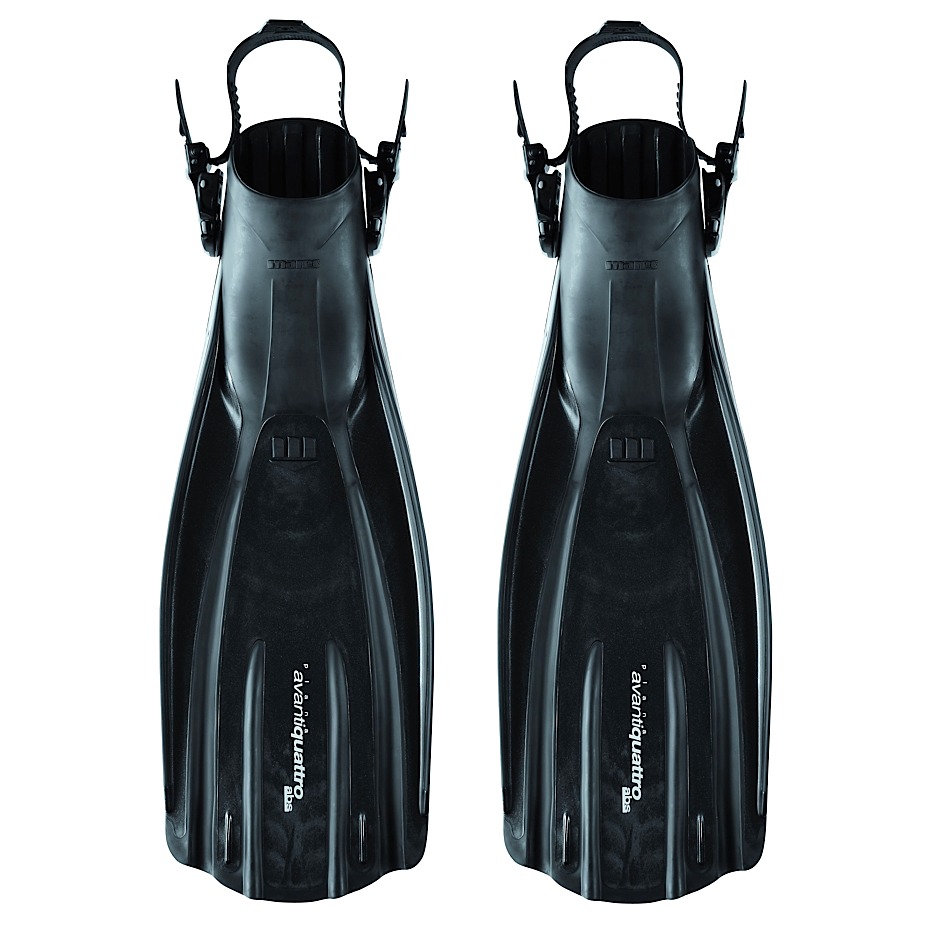 Photo: Scubaprice
Photo: ScubapriceCompressed Air Tank The tank contains compressed air and has a single opening where a control valve and coupling are attached. The valve controls the opening or closing of the tank. There are various types of tanks based on their capacity (from 5 to 18 liters) and the working pressure they can withstand (230 bars or 300 bars).
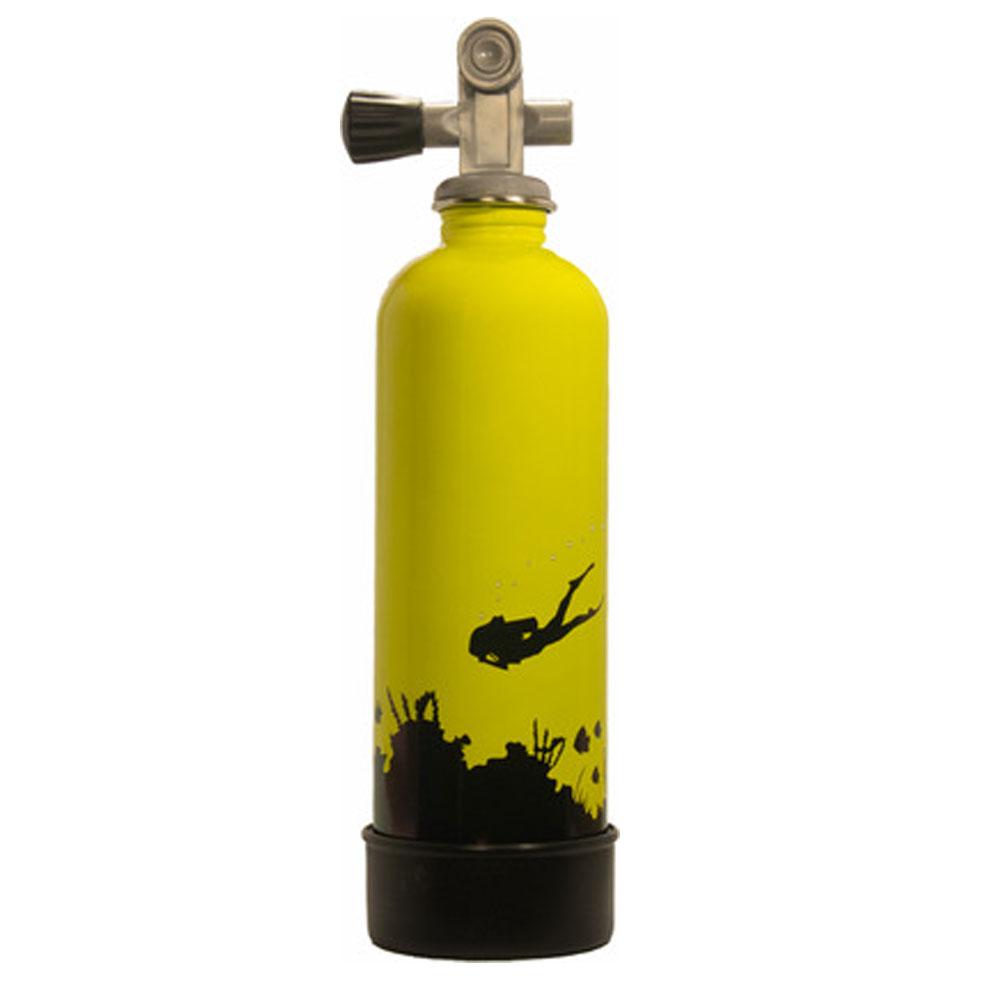 Photo: espanol.diversdirect
Discover the wonders of the underwater world and experience the adventure of diving into the depths of the unknown.
See also:
A
Blog Author
DeAventura Team