
8 tips for Adventure Photographers

27 de Febrero, 2015

8 tips for Adventure Photographers
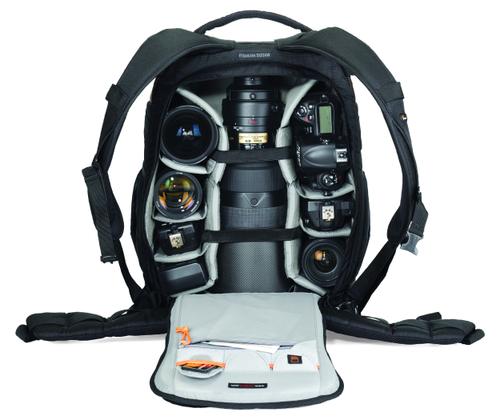
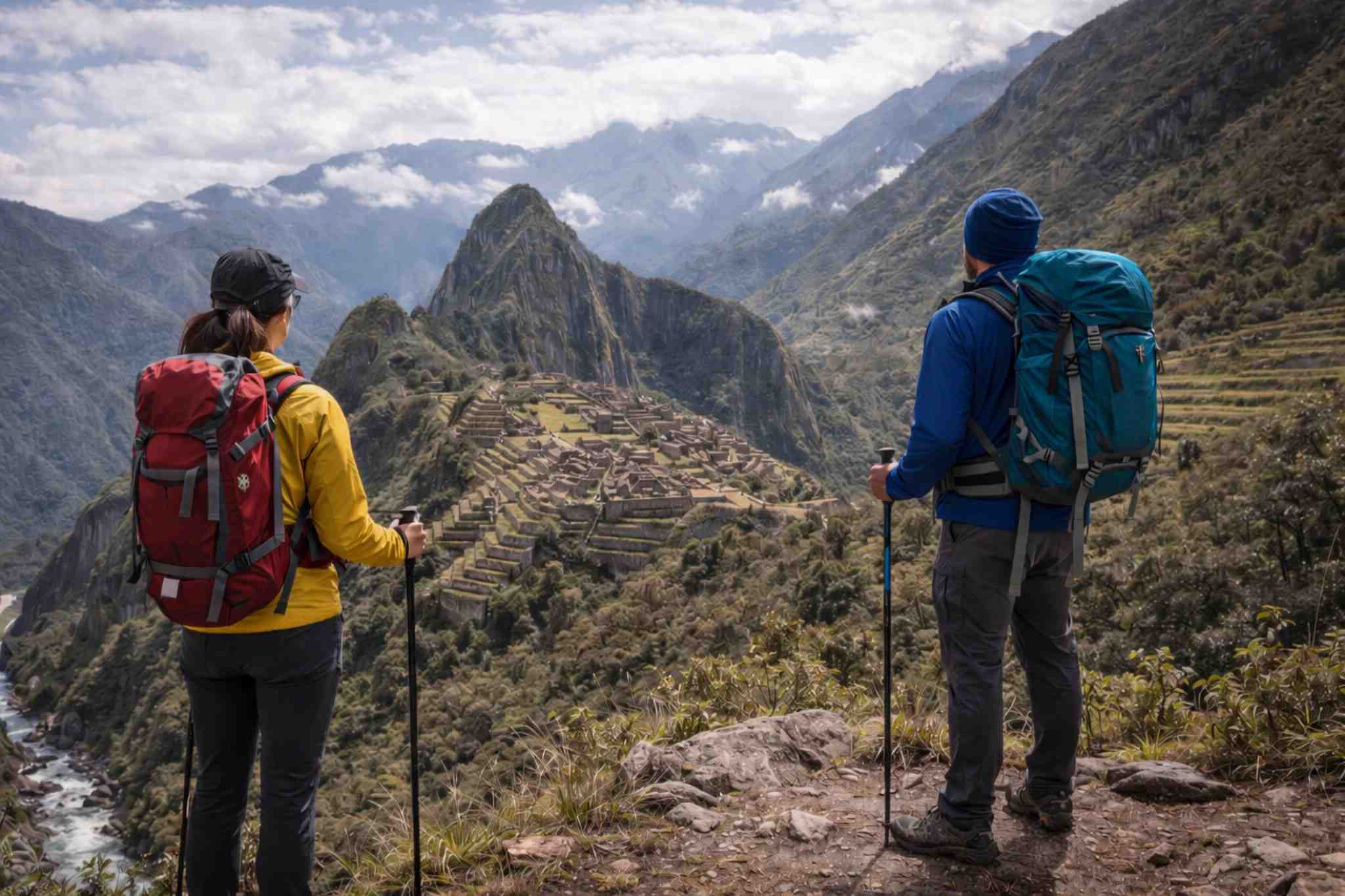
1. Bring an appropriate backpack. To begin with, you should know that taking a camera on an adventure outing is very different from taking it to a party or birthday; it won't be enough to have it tied to your wrist or in a fanny pack tied to your waist. It's best to have a backpack that is suitable for all your photographic equipment. If you're going on an adventure, it's best to get a comfortable and waterproof backpack with easy access to the camera and enough space and compartments for the rest of the equipment you'll be using.

adventure sports in PeruPhoto: Bancoideas
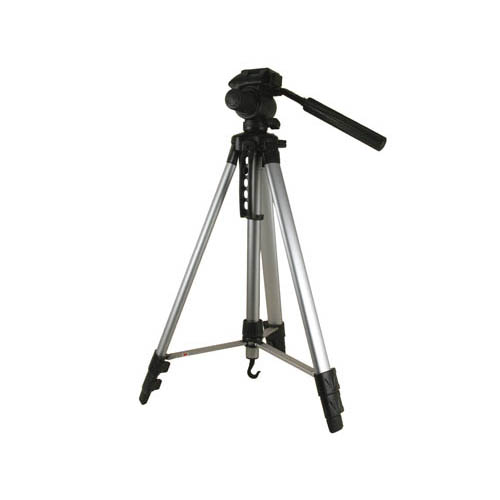
2. Choose a good tripod. Having a good tripod when you're in the middle of nowhere and miles from civilization is vital. Let's see what features are important when choosing one: Lightweight, stability, and price; these are the main aspects of a good choice. To start, the tripod should be lightweight but stable; that's why we recommend those made of carbon fiber over aluminum ones, although carbon fiber tripods tend to have a higher price. These characteristics can be complemented by size (it can be tall or tabletop, look for both, as they will be very useful).
Tips for travelersPhoto: fotoperezbadajoz
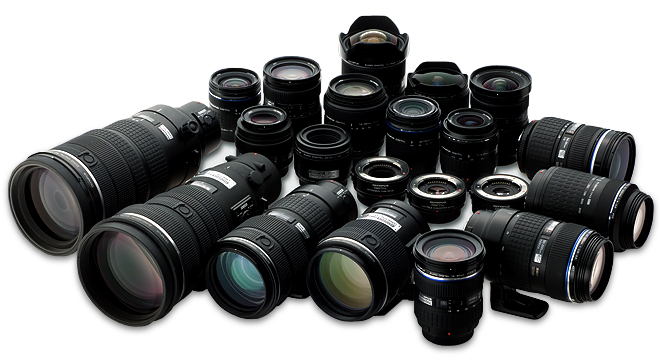
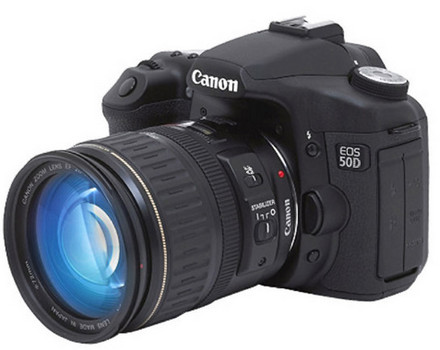
3. Protect your lenses with filters. Now let's talk about the parts of our photographic equipment, starting with the most basic, the lenses. Why should we take care of the lenses? Lenses are like the eyes of the camera, they can get dust, water, or even be scratched by an object. It is advisable to use either a UV filter or a Polarizer. The polarizing filter allows us to absorb a polarized component of light, and in some locations, it helps reduce reflections and achieve more vivid and realistic colors. It is recommended to have a cleaning kit to avoid dirtying or damaging the lens when trying to clean them.
Tips for photographersPhoto: Taringa
4. Use ample and protect your memories. One of the worst things that can happen to a photographer is running out of space on the camera's memory. Therefore, make sure to work with ample and reliable memories, remembering that each shot is unique and invaluable. Another thing you should do is protect your SD (memories) from impacts, water, and dirt. Carry all your memories in a hard case so that nothing happens to them, there is nothing worse than getting home and realizing that all the day's work is lost because our memory got damaged.
extreme photographersPhoto: Digitalshop
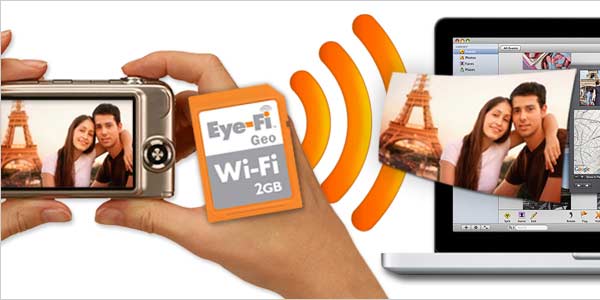
5. Wi-Fi SD Memory. How many times have we taken a photo that deserves to be shared instantly? Those romantic sunsets, a special sunrise, or that endless storm in the middle of the road. Our cell phone allows us to do it, but with our cameras, it was almost impossible until now. If you're one of those who don't want to wait to download the shots to your PC, you can use the new Wi-Fi SD cards, which allow you to transfer your photos to any device (tablet and mobile) connected to the network it creates, so you can develop and share them instantly.
Adventure sports communityPhoto: underc0de
6. Always carry extra batteries. One of every photographer's greatest fears is running out of battery. Some tend to anticipate this problem and carry two or three extra batteries during the trip; however, if the trip is longer and there is no way to recharge them, we will be in serious trouble. For those cases, there is nothing like a solar charger for camera batteries, this idea will allow us to charge the internal battery during the day and then recharge the camera's battery at night.
natural photographyPhoto: digitalshop
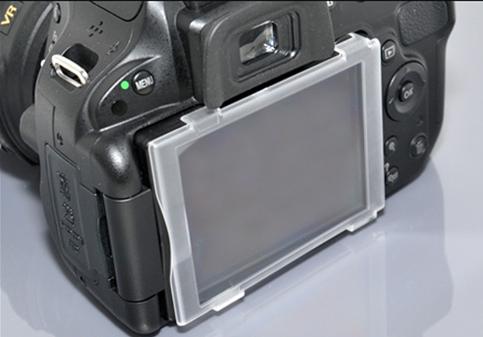
7. Protect your screen. A camera with a dirty or scratched screen is like taking blind photos. Some cameras come with foldable LCD screens that rotate facing the camera, making them more protected. But if your camera is not one of those super modern ones, the solution is simple, you can protect your screen with a plastic film like the ones used to protect cell phones.
Tips for photographersPhoto: digitaltoyshop
8. Make the most of your camera. Make the most of your camera and all the resources you find around you. Remember that there is no better scenario for photographing than nature itself. Discover textures, focuses, types of light, exposures with time-lapse, etc. The idea is to experiment and learn with each shot you take with your camera.
Photography for beginnersPhoto: 10puntos
Extra Tip: Shoot as much as you can. Next time you go on an adventure, remember to follow the tips we've given you to protect your equipment and get better shots. Just remember that what really matters is to enjoy and learn to take better photos; shoot without mercy, take all the necessary photos, find your style, and try to capture the experience you are living.

If you liked this article, we invite you to take many photos on your next adventures.

Share your adventure

See also:

A

Blog Author

DeAventura Team

Share this article

Leave your comment

Comments (0)